

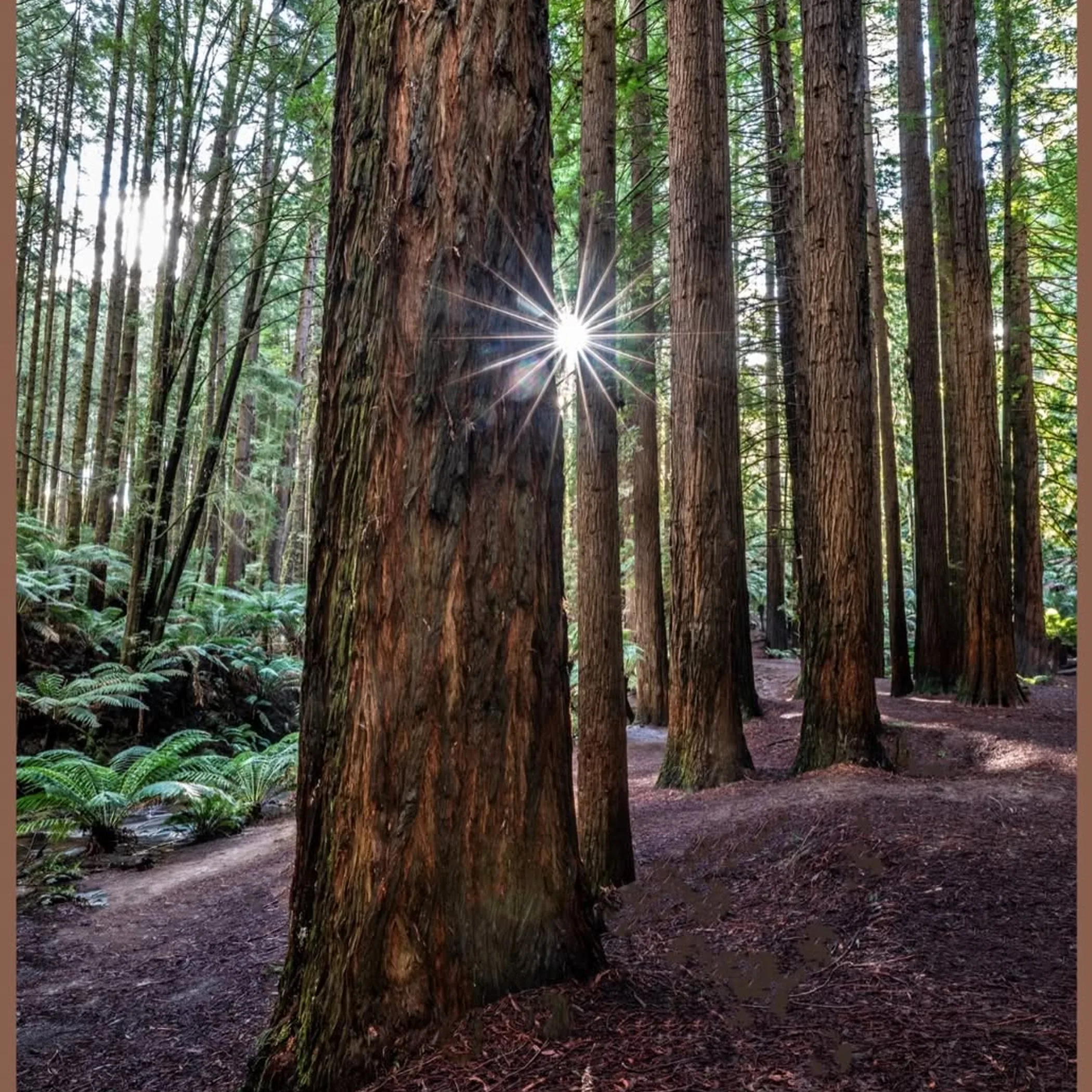
For a coastal road trip in Victoria one does not go past spring and autumn. Put simply, from September through November and again March to May you will find milder conditions and crowds that are not so hard to deal with; it is also when you are not apt to be left queueing behind every other car out of Melbourne or trying to close your door against the wind on the coast.
I am Connor Birchall. To give you the short of it before we delve into the details, make it October, November or the months of March and April to see most of Victoria’s coastline. You have summer with its long days and swimming, but you put up with the traffic and prices at the lookouts being at a premium. Then there is winter which is fine for some whale watching down Great Ocean Road way near Warrnambool, provided you do not mind the odd change of plan due to a cold front or rain.
In Victoria timing is something first time visitors tend to under-estimate. The coast is no single weather zone. What is a relaxed drive in April can be all of July’s roughness in January, or hectic in between. Experience the iconic iconic Great Ocean Road drive. The same goes for the conditions at Apollo Bay, the Surf Coast, Wilsons Promontory and Warrnambool which are quick to change. So this guide will set out the seasons in practical terms: what the sea temperature is like, the wildlife, the cost of things, driving and where people get caught out.
Seasonal Sweet Spots
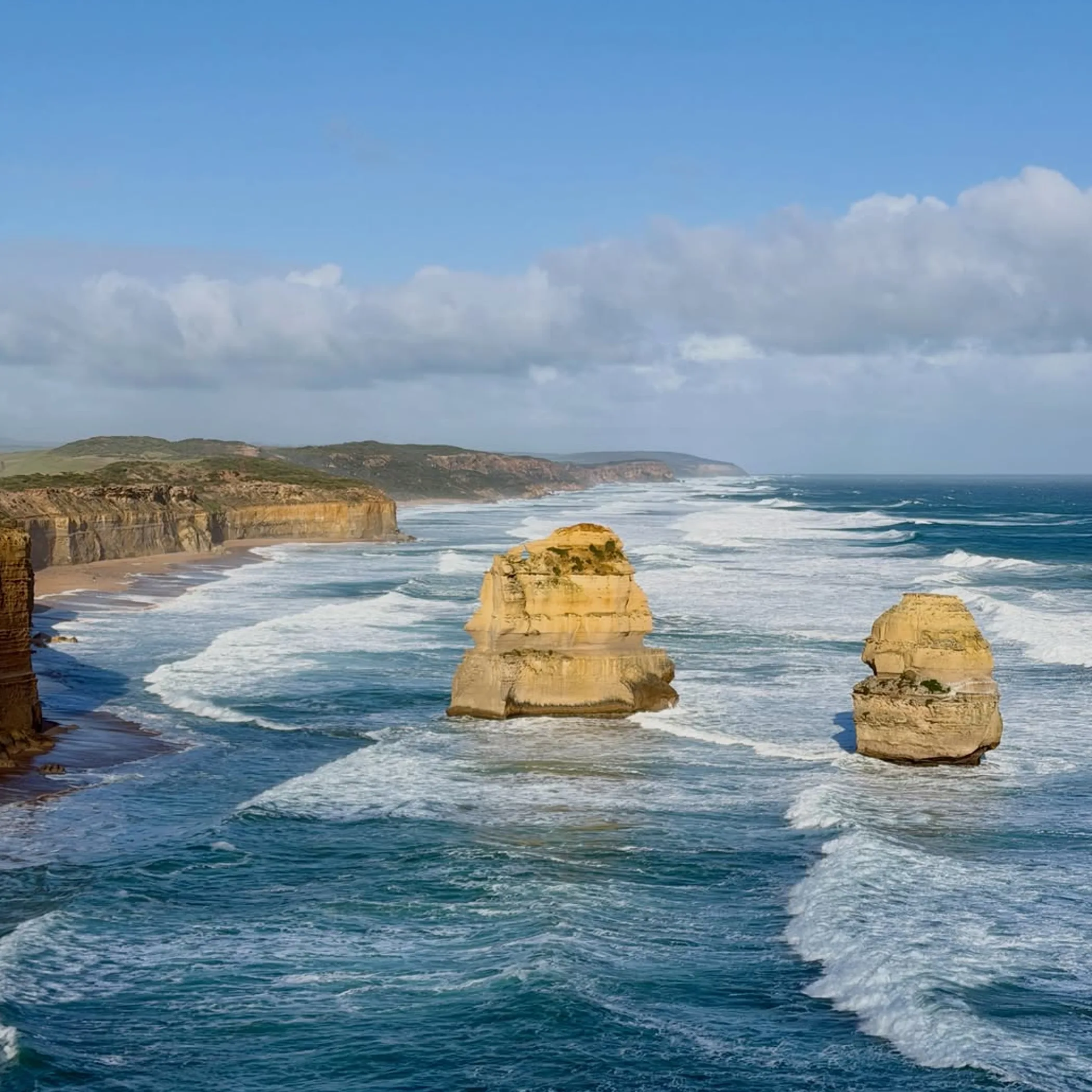
There is good reason why the shoulder season suits most travellers. You have your daylight and parking is no problem, accommodation is available and you are not left hunting for an empty space and a dunny at a scenic stop.
My view is that spring has a freshness to it and autumn is more settled. If you want balance and not the hype, these are the best months to be on the road in Victoria.
The Case for Spring
You will find active days are well catered for in a spring road trip across Victoria. There are wildflowers in the coastal reserves and the going is comfortable on foot. Later in the season the migrating whales put in an appearance on the south-west coast. It is a good option for those wanting to put in some miles on the Great Ocean Road and see the beach towns without the summer crush. Do not be fooled though, spring can wobble; a fine morning may turn drizzly with crosswinds by afternoon so you will need your layers.
Autumn Appeal
Locals will tell you an autumn road trip is less of a drama and more about ease. The roads have calmed since summer and the sea breeze is not as nippy as a southerly in spring. Booking is easier once the major holidays are done. Want to put in some time on the Great Ocean Road and not have to sit in traffic or pay top dollar? March and April are worth a bet. The water is still agreeable and the towns have life in them without being packed in.
A Month-By-Month Reality Check
You can call it a season but when it comes to booking the trip the month by month is what counts. The weather in Victoria will dictate whether you can swim or see any wildlife and how much of a day you have.
What follows is the practical side of things for the southern coast, not the sort of thing you read in a brochure. These are the patterns you can plan on.
| Month | What to expect | Best use of time | Things to watch |
| January | Long daylight, warm if not hot and busy | Surfing, family holidays, the beach | Bushfire risk, traffic and peak pricing |
| February | Summery but not quite as frantic as the month prior | Longer itineraries, coastal towns, swimming | School holiday overlap, heat, fully booked stays |
| March | Comfortable and mild | Scenic stops, walking, the open road | Weekends of note will be full |
| April | Days are pleasant, nights cooler | Hiking, photography, an autumn run | Rain is variable, Easter brings congestion |
| May | More changeable and cool, quieter | A slower, budget approach | Stronger fronts, the days are shorter |
| June | Cold and moody, whale season is underway | Dramatic coastlines and the whales | Rough surf, wind and rain |
| July | The coldest it gets on an exposed coast | Cosy up in town, see the southern right whales | Less daylight, road spray, school holiday demand |
| August | Whales are still around, often windy and wintry | Fewer tourists, the Warrnambool season | Some activities will be called off for the wet |
| September | Fresh and green, cool to mild | Wildflowers, walking, value in the shoulder season | Wind, later in the month the school holidays |
| October | Lively and mild, an all-rounder | Balance on a visit to the Great Ocean Road | Busy weekends, the weather will have its say |
| November | An attractive shoulder period with long days and milder water | Mixed itineraries, the beach towns | Bookings for late spring get snatched up |
| December | Demand starts to build in early summer | A pre-Christmas beach break | Holiday traffic is no joke |
One would be wrong to think the Victoria coast is just one long summer postcard. Not at all. You will have cloud and wind and the odd rain band come through even in the warmer part of the year. Then in winter, while an excellent road trip day is not out of the question, one has to plan with the weather in mind and not as if it were not there.
Great Ocean Road Timing

Should your itinerary be centred on the Great Ocean Road, you will find timing to be of greater consequence. All seasons have their scenic merits on this route, yet what you get out of it is a different matter when you factor in the crowds, the state of the roads, the weather and your own patience at the wheel.
The window from October to November or March to April is preferable for the majority of travellers. It affords milder conditions, good visibility and daylight enough to put in a proper stop, as opposed to taking a few indistinct pictures off your phone from inside the car. Traffic is more to be tolerated as well.
Best Months For The Route
There is no better time than October and November for some greenery and to see the towns in decent shape with energy to spare, but without the school-holiday type of mayhem. As for March and April, they are more settled; I would say a first-timer is best served by them to do the iconic drive at a sensible rate.
You can make of December to February what you want, the swimmer and the beach-goer in particular will like it, but there are trade-offs. In the popular towns the lines for food get longer and accommodation is hard to come by; a short-looking route on paper will eat up your time once the lookout car parks are full.
How Long It Really Takes
On paper the 240-odd kilometres from Melbourne to Allansford (more if you detour) is not much to go on. One looks at the map and makes of it an easy day’s work until it is too late and one has been trying to fit in the Twelve Apostles, a couple of walks, lunch, waterfalls and beaches into an overfull schedule.
A day can be done if you do not mind a long one and being selective about where you stop. With only a day to spare, stick to the gentler country between Torquay and Apollo Bay or, for the cliffline icons, Apollo Bay to Port Campbell. Two or three days is the norm for an enjoyable rather than hurried outing.
Access And Return Options
Self-driving, hiring a car or going on a tour are the ways most get to the road from Melbourne. A rental or camper offers the flexibility, and some will put in an order with Apollo Camper are often considered by travellers wanting a slower multi-day route, albeit that the size of the vehicle is a nuisance in tight parking in town.
To get back you will commonly head inland through Colac from the Warrnambool or Port Campbell end. It is a loop that precludes any backtracking and provides some variety, though the weather does not tarry in the inland. Make sure to check for any storm damage or road closures before you set off. For marine forecasts and warnings, the Bureau Of Meteorology Victoria forecasts and warnings is the source to rely on.
Wildlife And Seasonal Highlights

Time your visit and you will find the coast of Victoria puts on a show in a way that is useful beyond mere scenery. The local activities, walking and wildlife are subject to change over the course of the year.
Connor Birchall would have it simple: let the season be dictated by your intentions, not the price you see on a booking calendar.
Whales In The South-West
For those making a south-west road trip, whale watching is the highlight of winter and early spring. The southern right whales put in an appearance to calve in the sheltered waters of Warrnambool, and the season is famous for it.
Plan for June to September if the whales are what you are after. The weather will be cold and at times wet but the return on it is very good. It is one of those things where the reality of putting on every layer you brought is small recompense for the wind burn when you have migrating whales to watch from the shore.
Wildflowers And Walks
Wildflowers and a day’s walking are more of a pleasure in spring. The coastal heathlands and park tracks have put on a fresher look following the winter rain and there is none of the summer heat to sap your motivation by the time you reach lunch; the landscape has more of a vitality to it.
For those who prefer to do several short hikes, spring is the way to go. Many a walker will tell you that Wilsons Promontory is at its best in the spring or autumn, when the temperatures are not as trying and the tracks more agreeable than they are in the height of summer.
Surf And Swimming
Beach time is best left to summer and the early part of autumn, but one should bear in mind that surf conditions are a matter of skill and which beach is being used. Open water is no place for a beginner to overestimate his or her abilities with the coast being rough and currents strong. Do not be surprised to find the sea along Victoria’s coast cooler than anticipated come summer. A daily swim is more of a reward in February or March than in December when there is still a good deal of chill in the water.
Weather And Road Conditions
Do not make light of this if you wish to avoid trouble. They may be beautiful but they are roads all the same, and an underestimation of Victoria’s coast can mean slick surfaces, fatigue from stop-start driving and sudden rain off the headlands. The nicest months for a road trip are not necessarily the prettiest; they are the ones where the weather and driving are conducive to an enjoyable outing.
Rain, Wind And Visibility
The southern coast sees its fair share of rain in winter, though wettest patterns are regional. There is no one answer for the whole of Victoria as to the rainiest month since peaks differ from town to town. Repeated fronts that put a damper on outdoor plans and visibility are more common in winter and early spring along the coast.
Wind is what gets people though, not so much the rain. It alters everything from opening the car to making yourself heard at a lookout, let alone pitching camp or negotiating a cliff edge. Unless the whales are the object of the trip, mid-winter is best avoided if any in the group have a dislike of cold wind.
Closures And Safety
Storms and landslips will close a road now and then, as will maintenance, and treefall is a risk on the forested parts of the coastal routes with their steep edges. Do not take it for granted that a route is open because it was last month; a detour on regional roads can cost you serious time.
Then there are the hazards of summer such as bushfire on a hot, windy day, or the shorter days and slippery ground of winter. No season excuses tired driving. One might consult a guide to the seasons of a Victoria coastal road trip but it is no substitute for using one’s own judgment after too long at the wheel.
Costs, Crowds And Timing
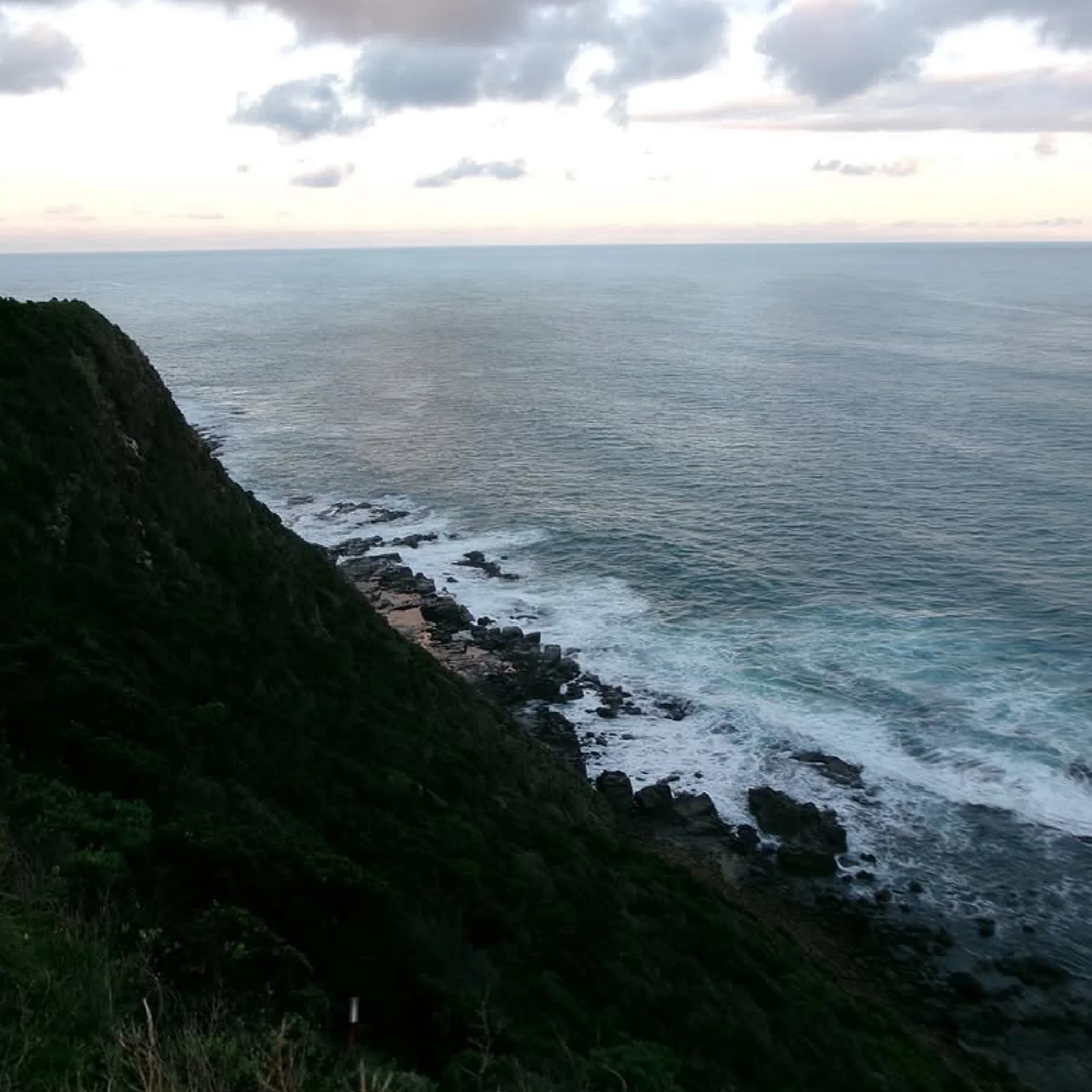
On this coastline the two go hand in hand. A motel room that is reasonable in the shoulder season will be eye-watering in peak summer, on a weekend or during some major event for instance.
Those who do not relish queues and the noise of foreshore towns and the hunt for parking would do well to give Victoria school holidays a wide berth; they put a dent in the mood of a road trip more than most would think.
Crowd Patterns
You will find January to be the busiest month of the lot, with late December and Easter not far behind. Holiday windows have a way of bringing the popular approaches to Phillip Island, the Surf Coast and the Great Ocean Road to a standstill.
Shoulder season offers a better balance: the cafés are open and the weather is fine, yet there is less of a fuss at the lookouts and meal bookings are not so much of an ordeal.
Rough Cost Expectations
A self-drive from Melbourne will see costs mount in the summer. By way of a general guide, two budget travellers can get by on AUD 140 to 220 a day for basic lodging, fuel and unpretentious meals in the quieter times. In the peak season, expect to be outlaying anything from AUD 300 to 500 for a mid-range experience once you factor in dining and accommodation. These are for planning purposes only.
Most people err in leaving accommodation to the last minute in the small coastal towns. Weekends fill up even when it is not absolute peak season. Book in advance for a Friday or Saturday night if Apollo Bay, Lorne, Warrnambool or Port Campbell are on your itinerary.
Planning And Packing Smarter
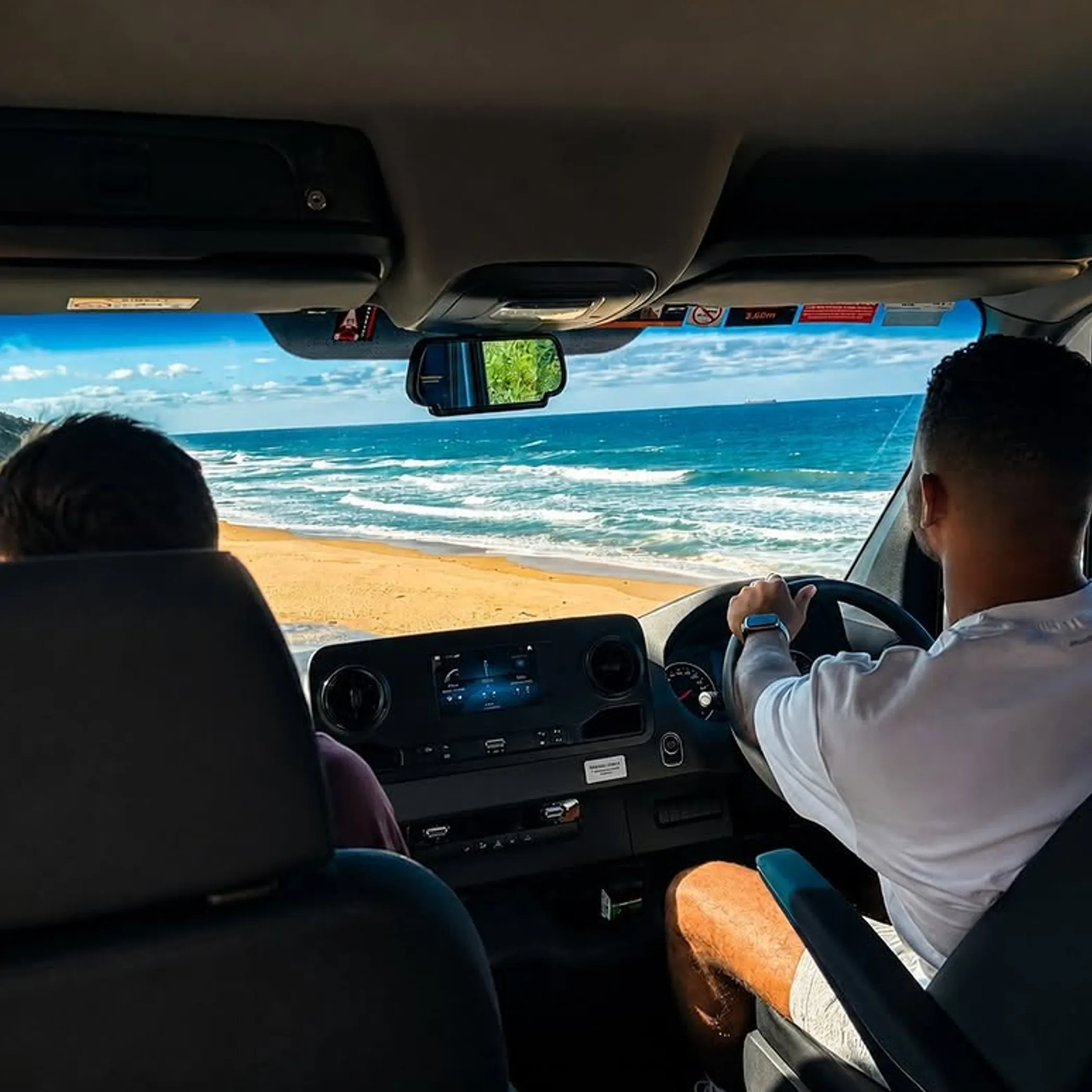
To make the most of Victoria’s coast, pack for two seasons and count on a minor inconvenience or two each day. You could call it cheeky, yet for a lot of the fine road trips to be had here that is how it goes.
Take Connor Birchall’s counsel: keep some slack in your itinerary and put on layers; do not have a whole day hinging on weather you cannot see coming. His is simple advice.
- Whatever the season, make sure there is a good pair of walking shoes, a refillable bottle of water, sun protection, a warm layer and a waterproof jacket in your pack.
- The night before you are due to drive, look over the options for parking, fuel range and any warnings.
- Do not put too many firm bookings into one day, on the Great Ocean Road in particular.
- In summer one should book well ahead and factor in time for the inevitable traffic and parking.
- Winter calls for an earlier finish to the more scenic spots as the daylight is gone in a hurry.
The Great Ocean Road will do for a novice provided he is at ease with a winding road and has the patience for it. Then again, some of the coastal stretches are remote or open to the elements and not to the taste of a nervous driver when the wind is up and rain is heavy. Wilsons Promontory is fine, but in peak times the walks and parking can be something of a nuisance, so get an early start.
Trip Ideas By Duration
Season is only part of it. You also have to tailor the route to the time at your disposal, eschewing the notion of the heroic traveller who would have you doing sunrise hikes and six beaches and a bakery before lunch. What we have put together are sample routes of a more practical bent for those making their way from Melbourne in search of a genuine coastal experience.
Three-Day Coastal Loop
Day 1 is a leisurely run down the Surf Coast to Lorne or Apollo Bay from Melbourne. On Day 2 head for the limestone coast and Port Campbell, putting in an overnight in or around Port Campbell or Warrnambool. Day 3 sees you back inland by way of Colac unless you can put in a slower return.
Couples and first-timers will find this has the right amount of seat time and is the usual answer to “Where for 3 days in Victoria?” if a bit of scenery and food with short walks is what is wanted.
Five-Day South-West Focus
Put in a few extra nights at Warrnambool, Port Campbell and Apollo Bay. You can then take your time with afternoons, longer beach walks and the odd waterfall inland, and in season there is whale watching. A solid plan for wildlife in the winter or spring and it affords you room to manoeuvre if the weather turns; a wet day does not wreck the trip.
Seven-Day Two-Coast Mix
Do three or four days on the Great Ocean Road and in the second half of the week move on to Phillip Island or Wilsons Promontory. In spring or autumn it is easy to get between regions without the crowds. This is a top contender for the best road trip in Victoria as you get the drama of the south-west coastline and the altogether different feel of Gippsland. As for which town is the prettiest in Victoria, that is in the eye of the beholder though Lorne, Apollo Bay and Port Fairy are always popular for what they are worth.
- If You Only Have 1 Day: Pick a section of the Great Ocean Road, Torquay to Apollo Bay is least trouble.
- First-timers: March, April, October, November.
- Whale fans: June through September in the Warrnambool area.
- Beach time: February and March.
- Not for everyone: those with an aversion to long summer queues, abrupt changes in the weather or roads that wind.
Frequently Asked Questions
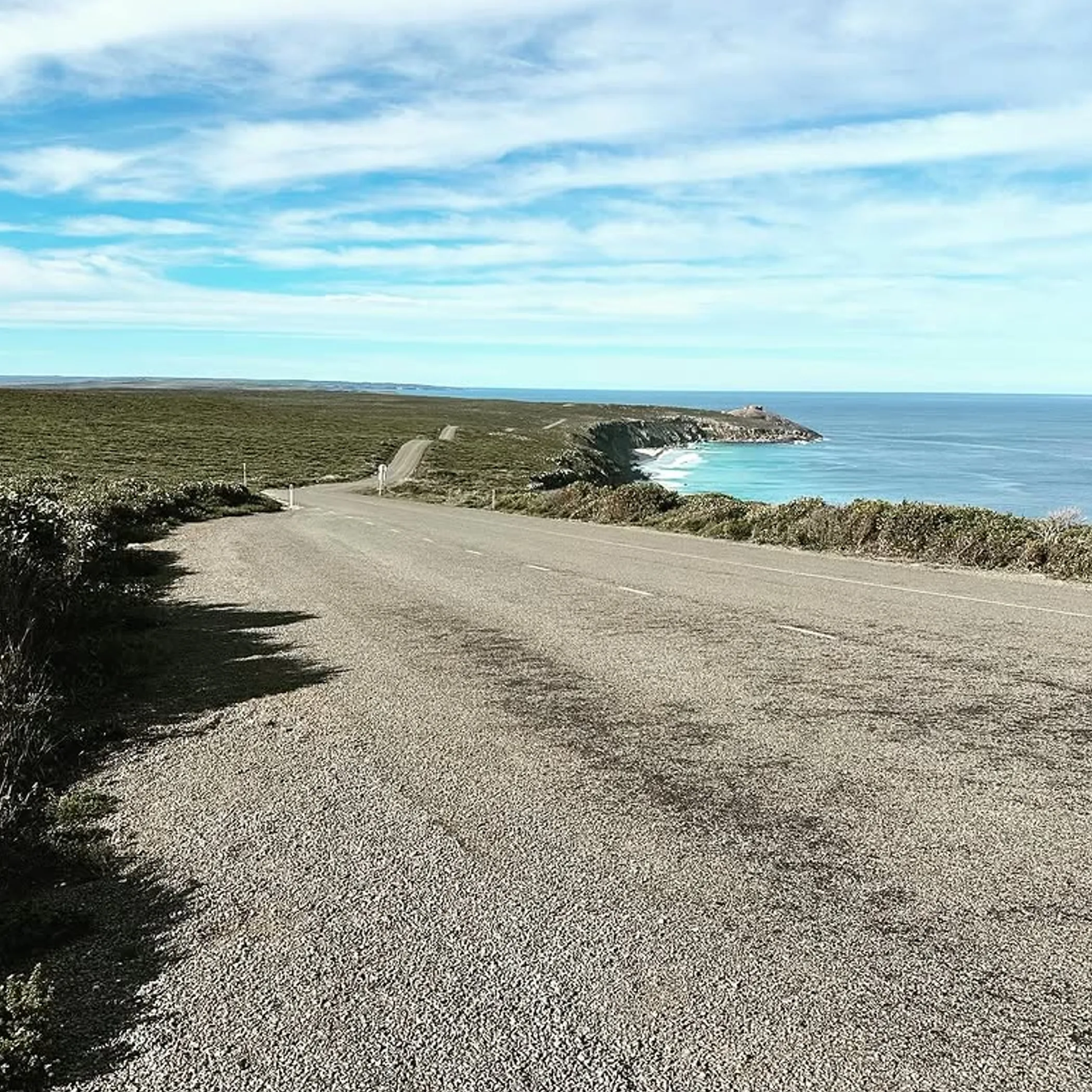
When it comes to making plans for the coast of Victoria, these are the questions that invariably get asked.
What Is The Best Road Trip In Victoria?
The Great Ocean Road is hard to beat for most; it is close to Melbourne and you will find towns, wildlife and all manner of scenery. Those with a mind for hiking and a quieter nature may make of Wilsons Promontory a worthy opponent.
Which Month Is The Rainiest In Victoria, Australia?
It is not possible to point to one month as reliably the rainiest in all of Victoria, the peaks are regional. For a road trip along the coast you will generally find winter and the early spring are the wetter months, subject to cold fronts.
When To Visit Great Ocean Road For The Best Balance?
All told, October, November, March and April are preferable to the height of summer or the depths of winter on account of the driving conditions, daylight and fewer people.
What Is The Prettiest Town In Victoria To Visit?
It is a matter of preference, though one will find Lorne, Apollo Bay and Port Fairy are the coastal mainstays. There is a certain liveliness and scenery to be had in Lorne; Apollo Bay is well situated and unpretentious; as for Port Fairy, it has character to spare.
When is the right time to put in an appearance at Wilsons Promontory?
For the likes of walking or taking in the sights, spring and autumn are preferable. Summer draws the crowds. A hardy type of traveller can make of winter what he will, even with the cold and exposure, and find it more than rewarding.
Final Takeaway
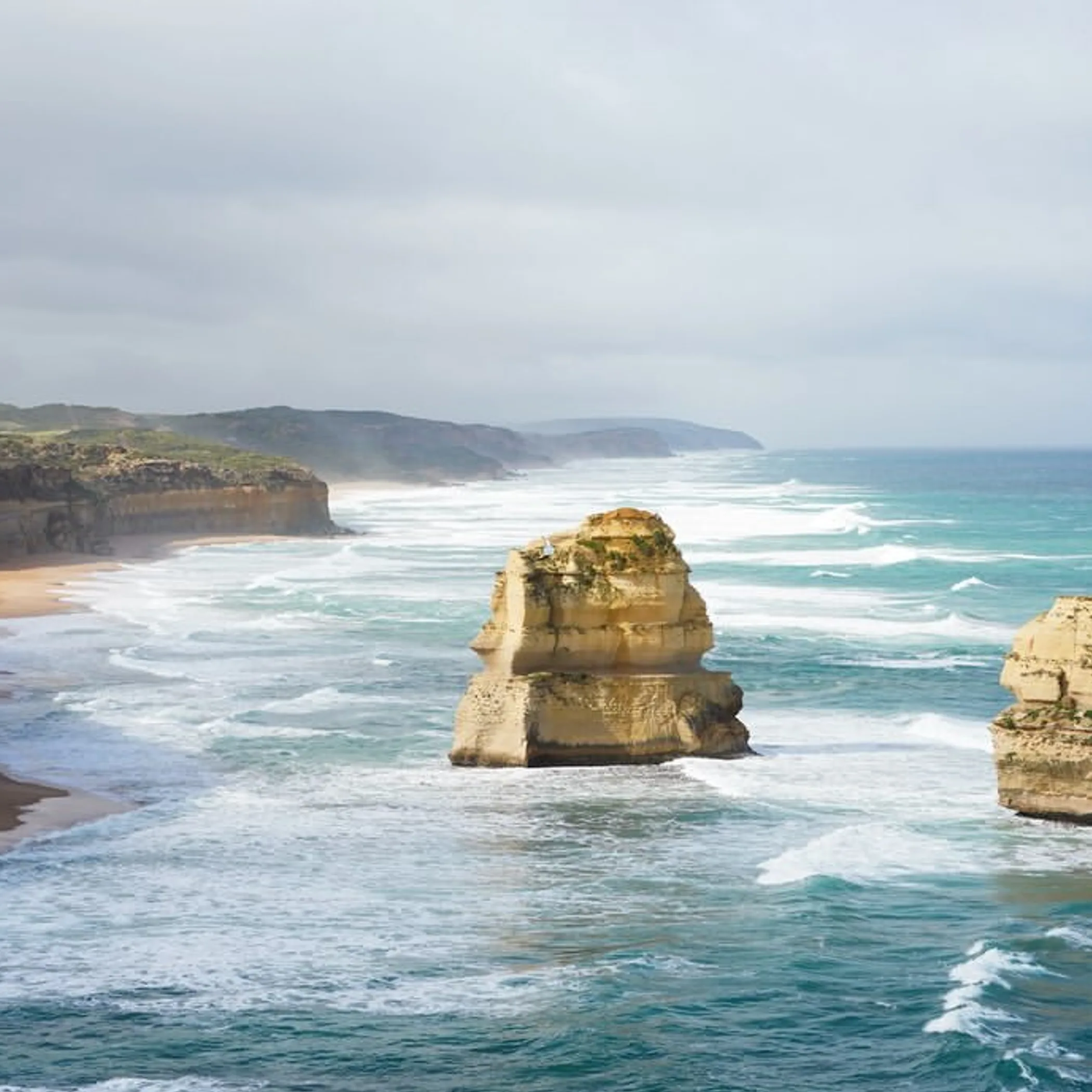
The easy answer is to head out in spring or autumn. You get your money’s worth in comfort and prices, and some room to breathe so you are on holiday instead of managing traffic.
Make it winter and the Warrnambool area if whales are what you are after. For beach weather and a swim, late summer through to early autumn is to be preferred. Should you be in two minds, I would put my money on March or October most any day. Victoria’s coast is open for business in those months and not inclined to wear on your patience.
In the end, the best time for a road trip along the Victorian coast in Australia is when the season is suited to the sort of trip you have in mind. The real thing, not something off a postcard, that is what makes for an enjoyable outing.