

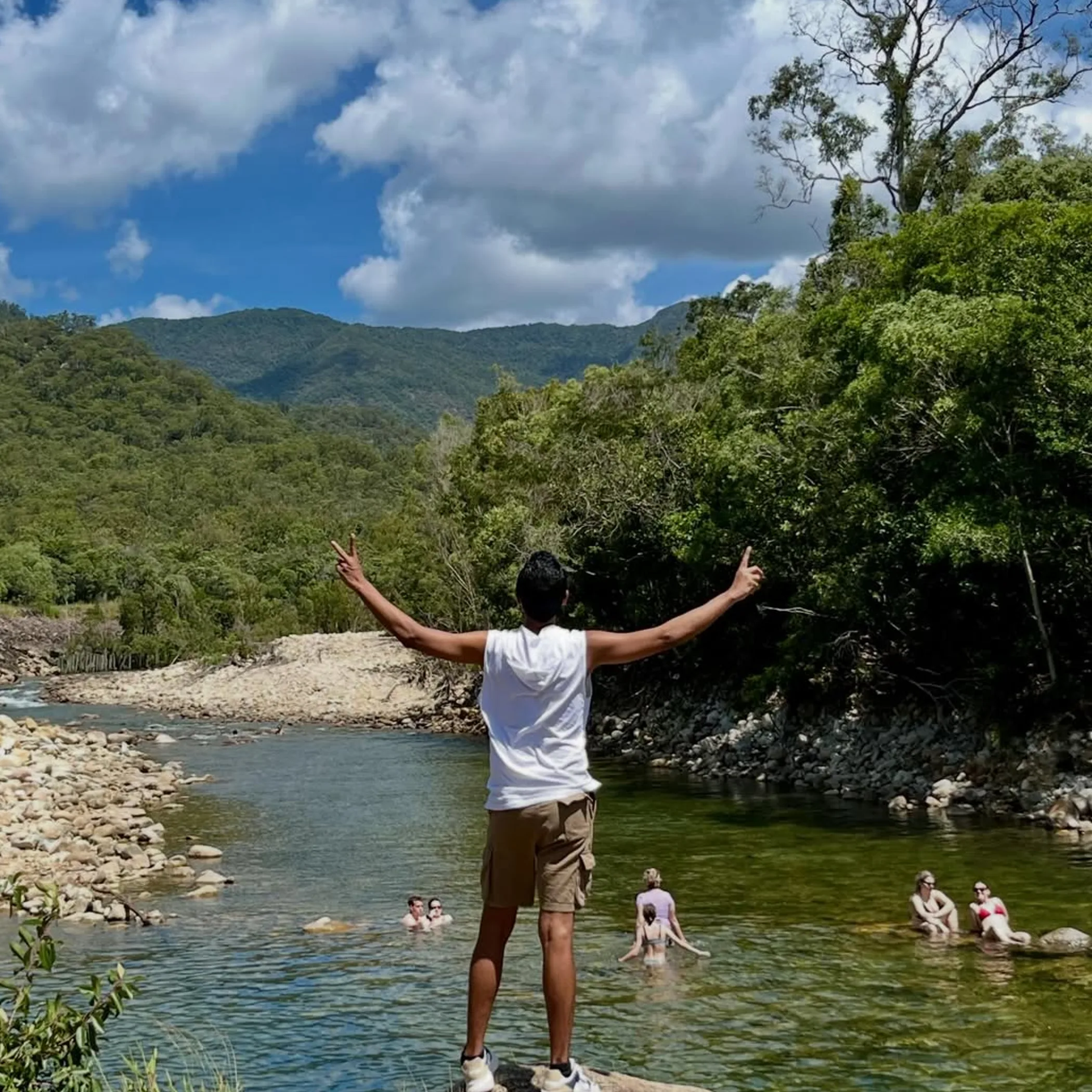
The trails you will find in North Queensland national parks are as varied as a hard summit or an easy rainforest stroll. For those after something more dependable in the way of day walks, forested creeks and cooler climes, however, Paluma Range National Park is where I would put you to start.
I am Connor Birchall and have put together this guide for the North Queensland traveller who does not want to be left to his own devices when it comes to planning a hike. Here you will find Paluma Range and some other good options, plus the sort of practicalities one tends to overlook until at the trailhead with poor reception and not enough water.
Do not expect any of the usual brochure material. This is a straight account of what the hikes in these parks are like, from the beginner fare to the things that will get you in the wet. You will see why a track can seem short on paper but be a rough business in the humidity. Consider this your regional planner and a useful Paluma Range hiking guide all in one.
The Case For Paluma
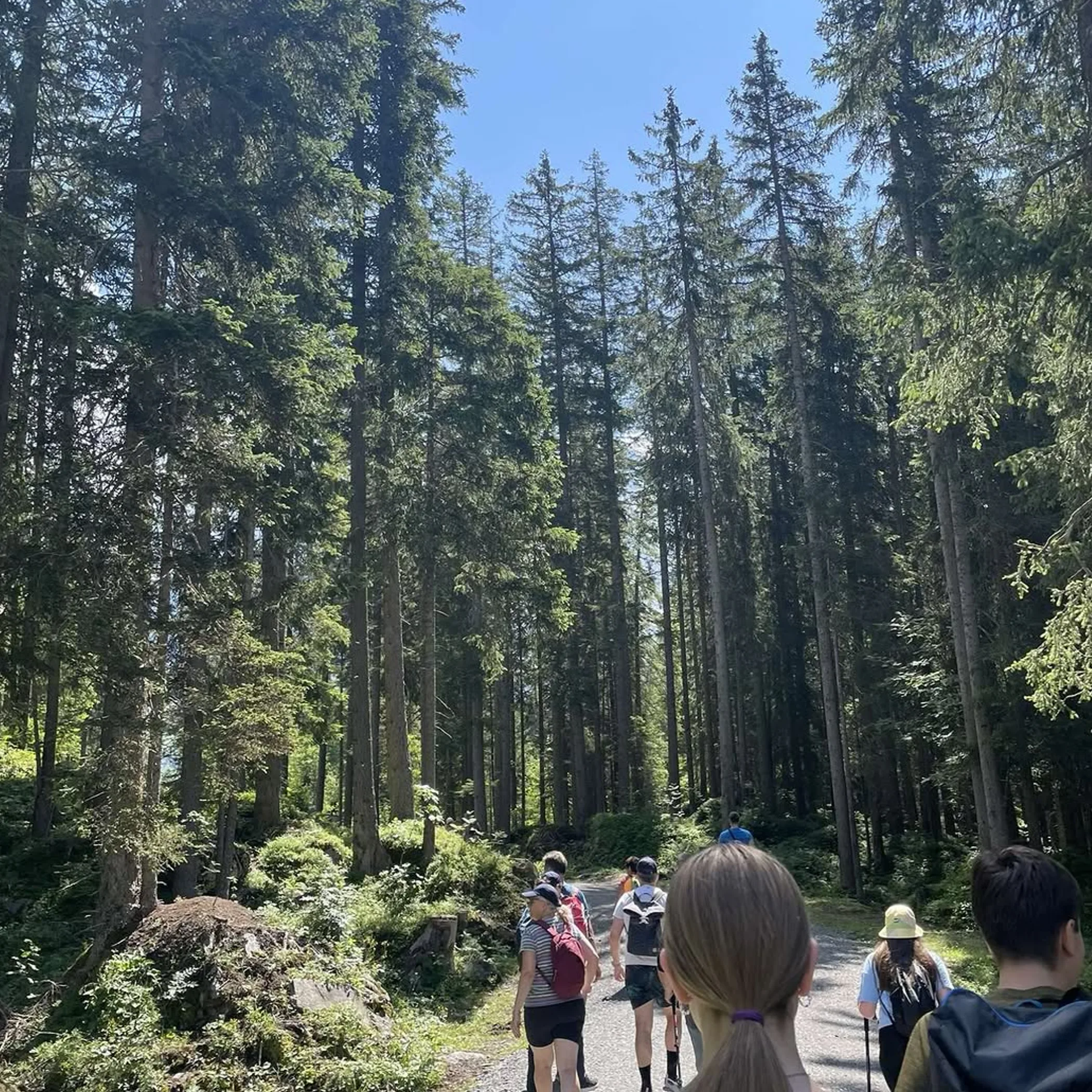
There is no need for an expedition to enjoy the rainforest at Paluma. Located in the Wet Tropics to the north of Townsville, it offers the kind of old walking tracks Queensland has a reputation for and, provided you are up early, more birds than people. The elevation is a welcome change.
One finds Paluma to be properly bushy yet approachable. Make of it what you will: a longer day walk, a short trip to a lookout or a prelude to the sterner day hikes to be had in other parts of North Queensland.
A Matter Of Atmosphere
Paluma Range National Park does not rely on its size or notoriety. The gorges, the mist in the trees and the nearby creek crossings are what do it for you. Then there are the roads which put paid to the notion of driving times being anything but a suggestion in North Queensland.
Folks make the mistake of thinking “range” equates to open views every few minutes. Most of the walking tracks here are hemmed in by thick forest and that is as it should be. You come for the birdlife and the respite from the heat of the coast.
Day Tracks In And Around Paluma
You can have a good day without overthinking it. My advice is to be realistic about the weather and how much driving you have done before you think you are full of beans.
What follows is an overview of the more popular walks and access points in the Paluma vicinity. After a soaking the track will be different so look at Parks QLD for any notices before you are out of range.
| Track Or Area | Approx. Trail Length | Time | Difficulty | Best For |
| Birthday Creek Day-Use Area Walks | Variable, short | 30–90 min. | Easy | Beginners, a picnic by the creek |
| McClellands Lookout Area | Access is very short | 10–30 min. | Easy | When time is short |
| Cloudy Creek / near Paluma township | Short to moderate | 1–2.5 hrs. | Easy/moderate | Birdwatching, to be in the rainforest |
| Jourama Falls Track | A moderate day’s work | 2–4 hrs. | Moderate | Steeper ground for the stronger walker |
For One Day
Should you only have a day, divide your attention between the Birthday Creek and the Paluma township area for some proper North Queensland bushwalking and a place to cool down.
If you are in the mood for effort, Jourama Falls is the one that makes you feel you have put in the work for your lunch. Do not let the map fool you; in the humidity a moderate grade is harder going if you are starting late.
Who Is It For?
It is well suited to the casual walker or the couple or family wanting a nature day sans overnight kit, as well as those in Townsville for a while or birdwatchers making their first foray into North Queensland hiking after a stint on the coast. If you are after a long multi-day trek or ridgelines with drama, you will do better to look elsewhere in Queensland. There is a subtlety to Paluma. One does not see the chest-beating here, just an attentiveness.
Strong Walks in the Region
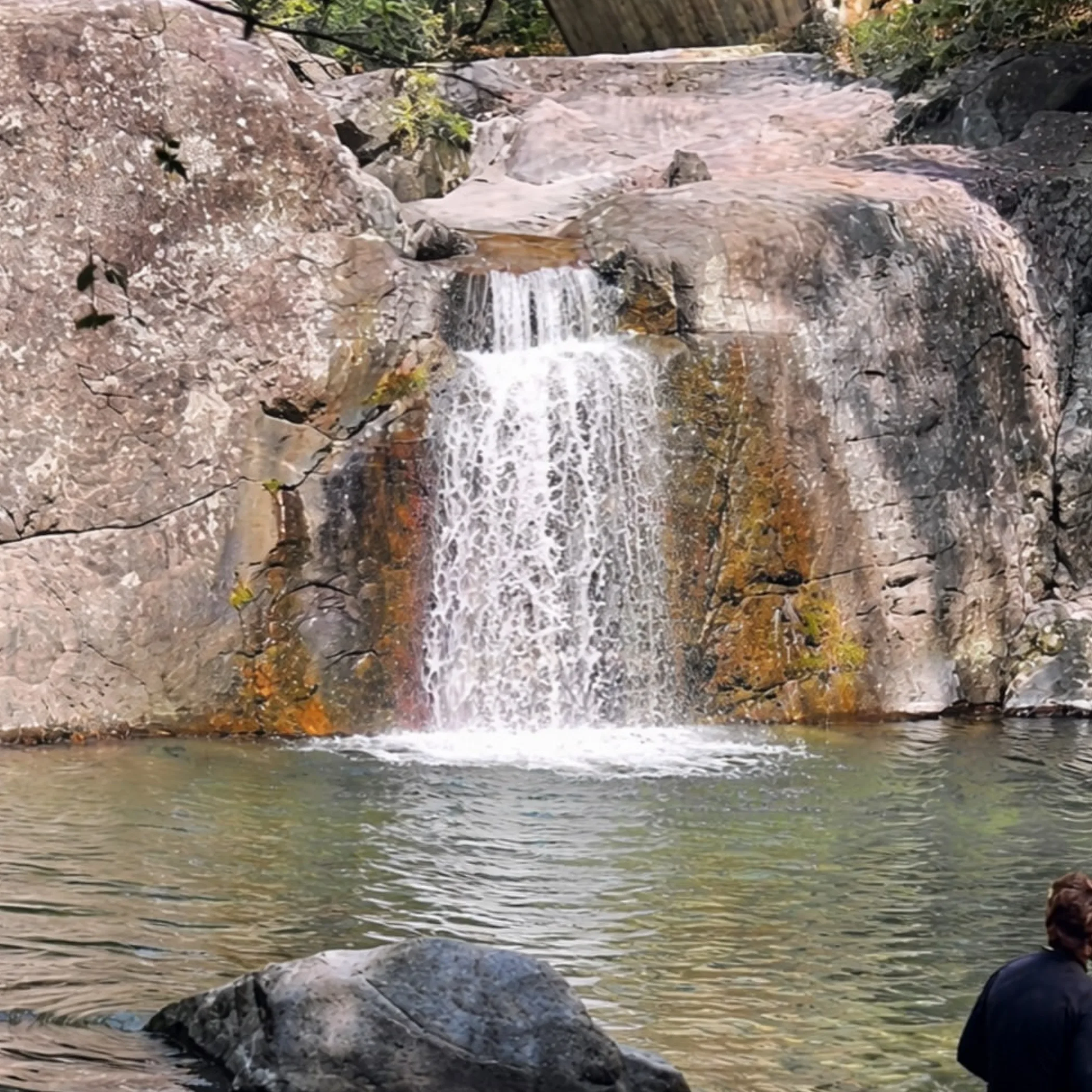
Then there are other walks in North Queensland of repute, some with good reason for being better known. In putting together a list of what the region has to offer by way of a fine hike, you will find certain parks merit your consideration for the singular nature of the experience.
Do not put them all in the same basket. The online world may refer to both as “a day walk” but a granite summit climb on the coast and a track to a waterfall up in the tablelands are not the same thing.
Mount Bartle Frere Area
In Wooroonooran National Park the Mount Bartle Frere area is a more serious proposition for the seasoned hiker; beginners should look elsewhere. The track is steep and at times muddy, the weather has a mind of its own and timing is of greater import than one might suppose.
What you think and what you get can be at odds. A casual observer of Queensland’s highest mountain will picture a straightforward outing. In fact it is a long and exacting climb that puts a premium on fitness and navigation. Be well prepared before you go.
Wallaman Falls Area
Over in Girringun National Park the Wallaman Falls side of things is a case in point for hard walking and good lookout access. Casual types can make do with the day-use portion but to get down into the gorge calls for steeper descents and the inclination to put in the work to get back out again.
I have seen travellers put too much stock in the “downhill first” notion. Going down is no trouble until you have to come back up. Make an early start, take on more water than seems called for and do not count on any cloud cover to stay put.
Undara And Lava Country
Go inland to Undara Volcanic National Park and the wet coastal parks are a distant memory. Here you are dealing with volcanic terrain and dry-country walking, and having to plan for the heat. It serves to illustrate how a day walk in North Queensland is a different animal from one sub-region to the next, be it the ranges or the coast; the gear and expectations must follow suit.
On Maps, Access and Parking
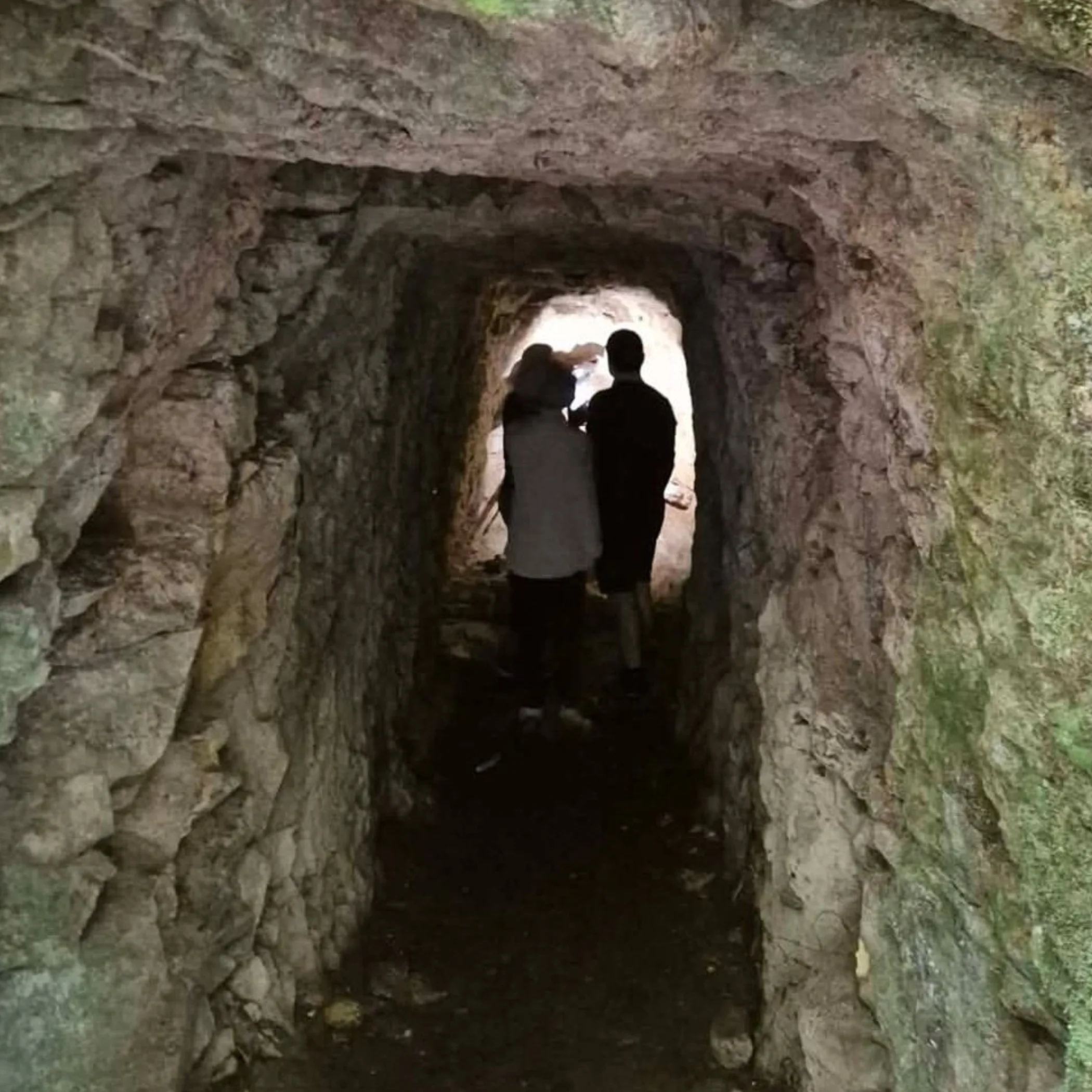
Half the business in North Queensland is making it to the track. Your phone will tell you the distance is short before it loses reception, but factor in the range roads and any wet-season wear and tear and the journey will take longer.
As for trail maps, the wise walker in North Queensland will go to the official sources. For park access and any visitor alerts, Queensland Parks and Wildlife Service information is the place to start.
Driving
The Bruce Highway north of Townsville is the usual route to the Paluma Range. You are best off in your own car. Rideshare is spotty at best outside the larger centres and public transport is hardly a solution for trail access.
You will find parking at the main trailheads and day-use areas though not in unlimited supply. Some of the popular haunts will be full ahead of schedule on a cool weekend or during school holidays. There are toilets at some day-use areas but do not assume a dunny at every turn.
Permits, Fees
With standard day walks entry fees are not so much of a concern as the rules on access and camping. Day walking in a national park is typically free in Queensland, a camping spot in a bookable area will cost you a per-person fee from the Queensland Parks and Wildlife Service. Do not go by what an old forum post says, check the current rates.
A couple from Townsville making a day of it at Paluma will have fuel and snacks to put down, and perhaps a bakery on the return if they are so minded. By and large a low-cost affair when you compare it with an organised tour or a trip to the reef.
Best of Conditions
For the North Queensland visitor to make the most of a trail without melting, the dry season is preferred. Humidity is down, you can put some trust in the creek levels and the roads have not been rained out. “Cooler” is a relative term here, not alpine.
Come the wet season and an easy track becomes a slippery chore in short order. Visibility goes, leeches appear in spots and you have to be mindful of the creeks and the roads. Toss in the cyclone season from November through to April in the north and you will want to be flexible in your planning.
For the moderate trail, a walk in the dry season is as a rule more to one’s liking. One is not without need of water and sun protection, but in general it is a much more forgiving affair. Then there is the wet season; while it has its beauty, that is for the walker content to put up with mud and the odd closure and be perpetually damp.
Demand in Queensland parks is still very much tied to the cooler months, public holidays and school breaks, as the numbers from recent visitors will tell you. Consequently you will find your share of cars at the better known trailheads and little chance of having the park to yourself unless you are an early starter.
Track Grading And Fitness
The grading system in Queensland has its uses but is no panacea when you are unaccustomed to the tropics. To put it in Connor Birchall’s terms: a track rated easy will see you put down by the soupy humidity even if you make short work of the same in the south on a cool day.
Take the difficulty rating for what it is, a point of departure rather than any kind of assurance. Elevation, heat load, the surface, how fast you go and any rain of late will all alter things.
Reading The Day
A novice would do well to confine himself to the likes of a short rainforest or creekside walk and some lookouts to begin with. For the moderate hiker there is sterner fare such as the return to Jourama Falls. But the fit and prepared hiker with a good head for the bush should be the one taking on the all-day or summit climbs of North Queensland.
It is not distance that tends to get the better of people so much as a late start and the uneven ground in the humidity. On paper a 6km trek may seem like nothing, yet if the air is like warm soup it will be a drag.
Matters Of Safety And Gear
In Queensland you have to exercise common sense where hiking safety is concerned, though that can evaporate when the car park looks inviting. What counts is timing, footwear and water, not some gadget.
There is the question of heat stress, creek levels, insects, spotty phone coverage and the likelihood that help is not at hand in the national parks of North Queensland. In croc country one must be croc-wise of the waterways and heed the warnings.
- On a shorter walk allow 2 litres of water to the adult, more when it is hot or the hike is long.
- Smooth soles on a runner and a wet rock are a poor mix, so have grip in your footwear.
- Make an early start on exposed or moderate tracks.
- Have a rain layer, insect repellent, some snacks and first-aid on hand.
- Put your route and expected return time on record with someone and get your maps before you leave town.
Then there are the oversights.
The mozzies will be deafening once you stand still. A creek that was picturesque after a rain can be off limits. Dusk comes on quicker in thick forest than one remembers and with it the mobile service goes. Do not be surprised to find conditions worse than the last online picture if there has been heavy rain; in North Queensland a bit of mud or a washed out section is part and parcel of it.
Base Yourself, Camp And Sleep
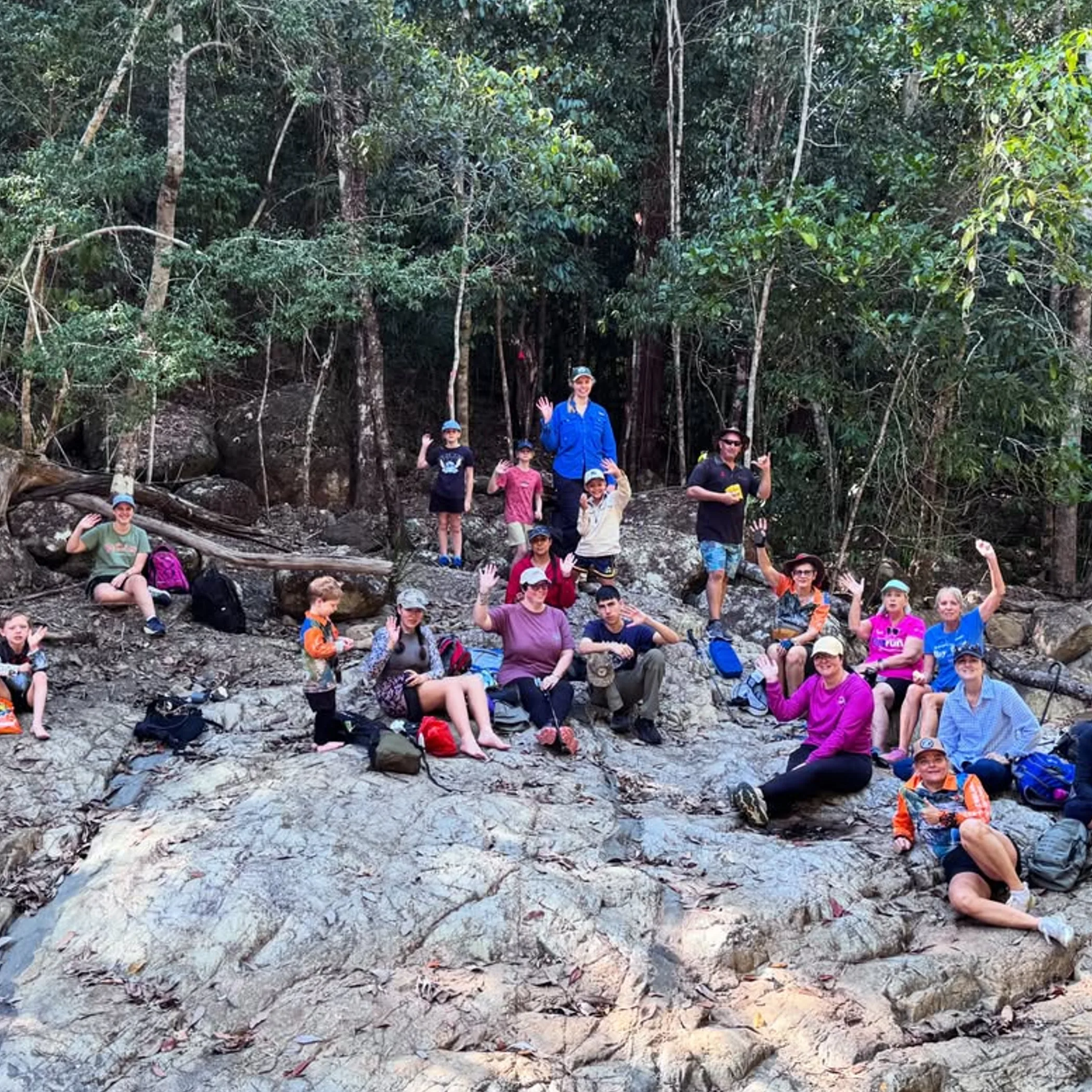
You will make life easier by picking a sensible base as opposed to some grand loop. Townsville is fine for Paluma and a few southern points, Ingham for the odd inland or Hinchinbrook excursion.
Some parks and environs in Queensland put in camping but facilities and seasonal access are not uniform. If you value comfort, put up in a regional centre or in town and make it a day trip. You will have no use for a wet tent at 2 am.
Planning Made Simple
A good base for a short break is Townsville. From there I would make an early start for Paluma, with a lowland alternative on hand should the road or the weather put a damper on things. To have a more varied hiking trip of it, put in a tablelands walk and a park with some waterfalls to go with your time at Paluma; that way the days are not all one and the same.
Costs are easily contained by day hiking and self-catering when the budget is tight. But if you prefer to be done with the hassle, put down for a room where you can be comfortable and return to a hot shower instead of having to boil the billy in the damp.
The First-Timer’s Plan
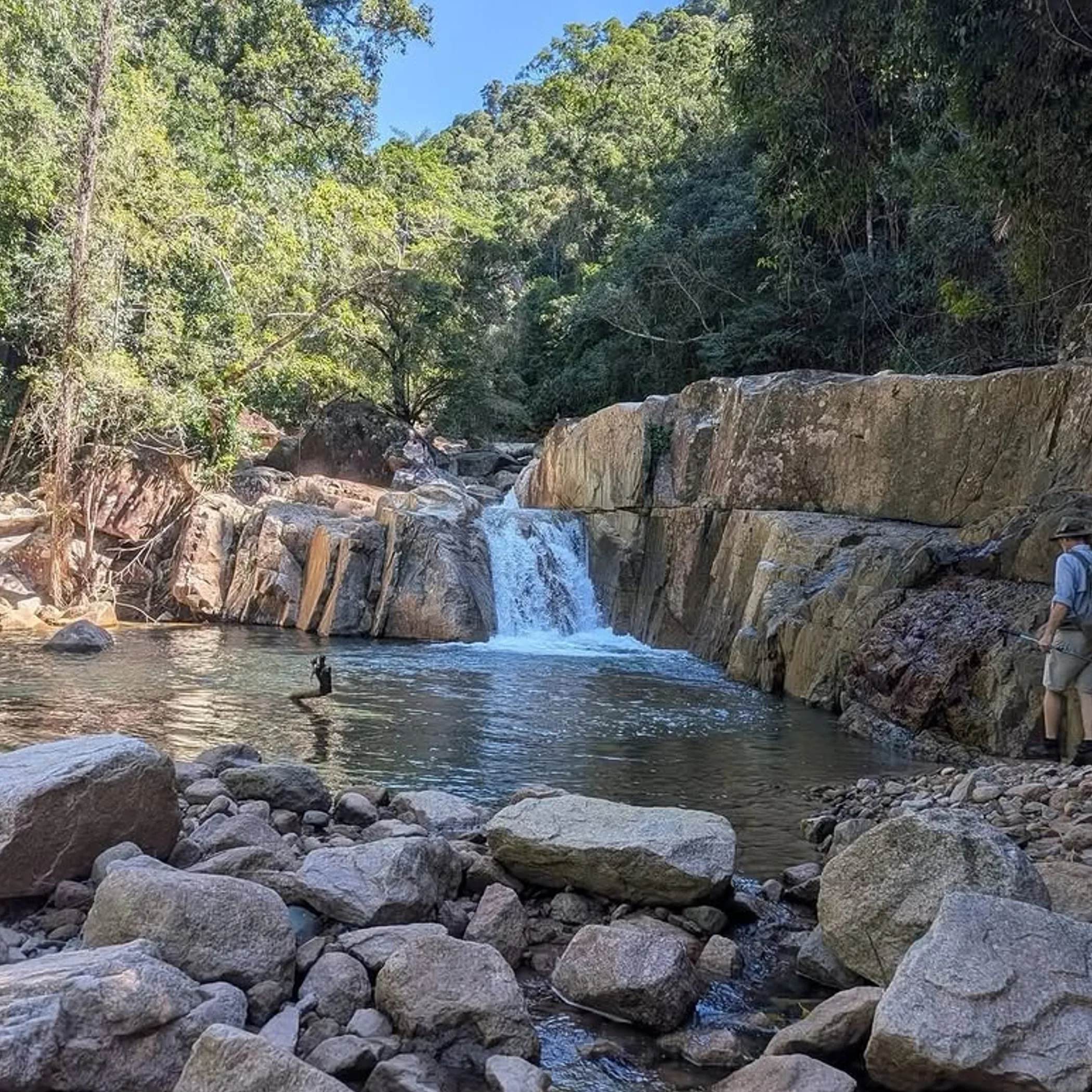
Should any of the above seem like too much, here is the abridged version. Make Paluma your first port of call, pick an easy walk and a moderate one, be flexible and let the weather have its way.
- Get out of Townsville with your fuel, water and offline maps in order and do a bit of a rainforest walk close to the Paluma township to see how you and the conditions are.
- If the legs and the weather are amenable, put in Birthday Creek or something like Jourama Falls.
- You will want to be finished before late afternoon in overcast or wet weather.
Most will find this works well, be they couples, families with older children accustomed to walking tracks, or a solo walker who has put in the preparation. Not so much for those intent on big-mileage epics or who will not be moved from their plans when North Queensland shows its cheek.
Some Common Questions
Travellers new to the Queensland parks, or Kiwis and southerners of a mind to work out our lingo, tend to ask the same few things about hiking. The answers are straightforward enough.
Hiking: what is it?
Recreational walking on natural terrain or bush tracks for a few hours or the day. In Australia you will hear many refer to it as bushwalking, particularly in the national parks and forests.
As opposed to trekking?
“Hiking” is what most day walks in North Queensland are. Trekking is reserved for the longer, more arduous affairs, often spanning days. A ramble in the Paluma rainforest is a hike; a remote route where you have to carry overnight gear is a trek.
And in NZ?
They are more given to calling it tramping. I find the term comes to mind every so often, having been brought up in New Zealand like Connor Birchall, but in Queensland hiking or bushwalking is better understood.
Will it put weight off?
It can, the hills and uneven ground demand it. Then again, pace, consistency and what you put in your mouth matter as much as the duration. One steep walk is not going to make a pie and couple of iced coffees disappear.
Any permit needed for the Paluma Range?
Not normally for a day’s walking, though you can expect changes to camping bookings and access, or closures. Best to consult Parks QLD for the latest, in the wet season or after a deluge.
A word to walkers
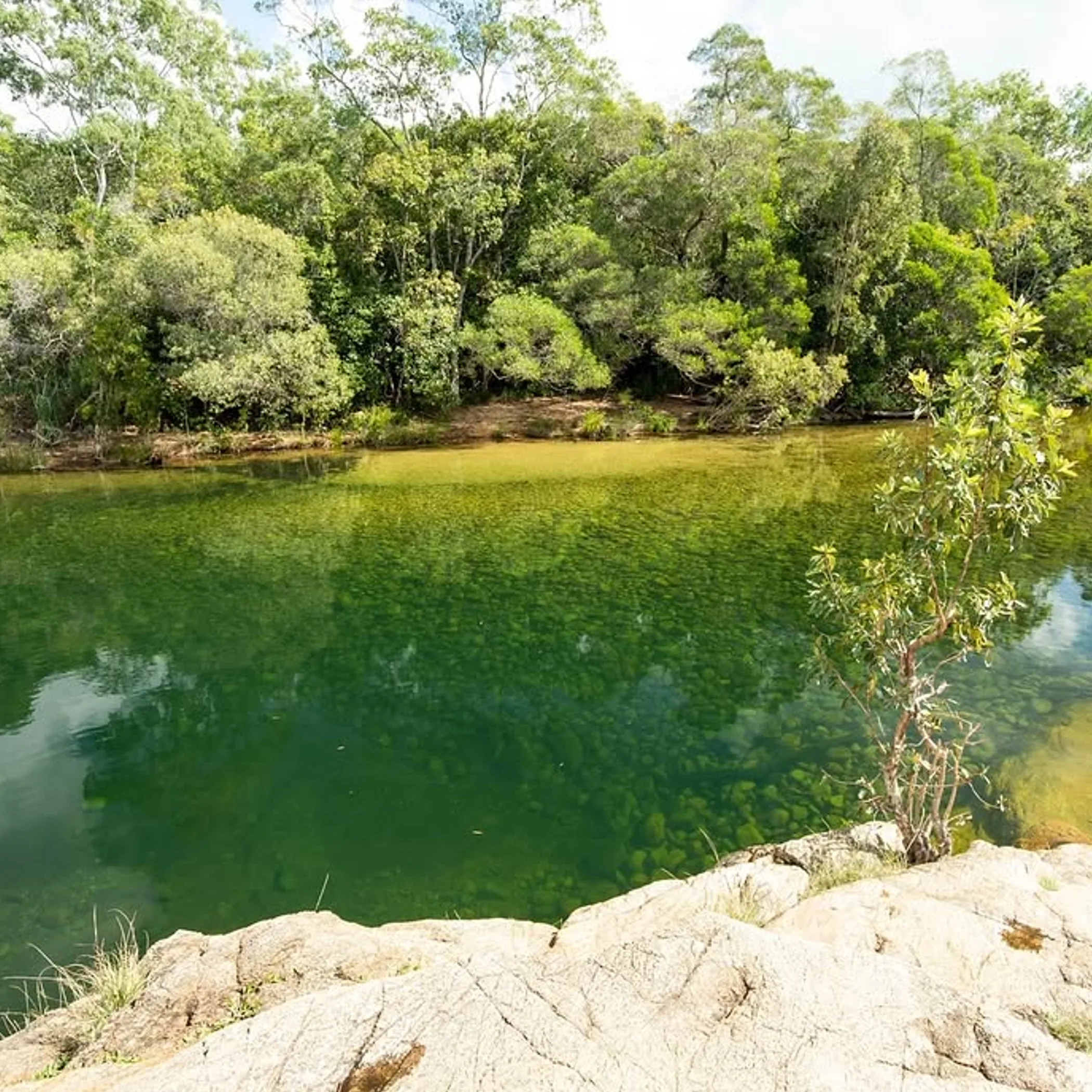
To put it plainly, for a day tripper the Paluma Range is as good a place as any to begin in the North Queensland national parks. It is practical and scenic without being watered down, with creeks and cooler air and rainforest to offer the cautious beginner as much as the one wanting to put in some effort.
I would say go there and have at it, but do not mistake a short distance for easy going and give the weather due respect. There are some cracking tracks in North Queensland, but you get the best of it with some forethought and an early start; the bush is not going to be swayed by what your spreadsheet says.