

In brief, it is because the water making its way into your home has been in contact with cold reservoirs, groundwater and underground pipes as well as other natural sources. A lower inlet temperature means the hot water system has to put in more work to warm it up for the kitchen tap or the bath.
It is not an indication that the water heater is on the fritz. This is to be expected with the seasons, though it can lay bare a substandard heating element, a thermostat on its last legs, inadequate pipe insulation or a system under too much strain. I am Connor Birchall and the purpose of this guide is to get at the practicalities of the matter so one is not obliged to boil the billy whenever there is a call for a shower. For more information, see common hot water problems in winter.
What Winter Does To Mains Water
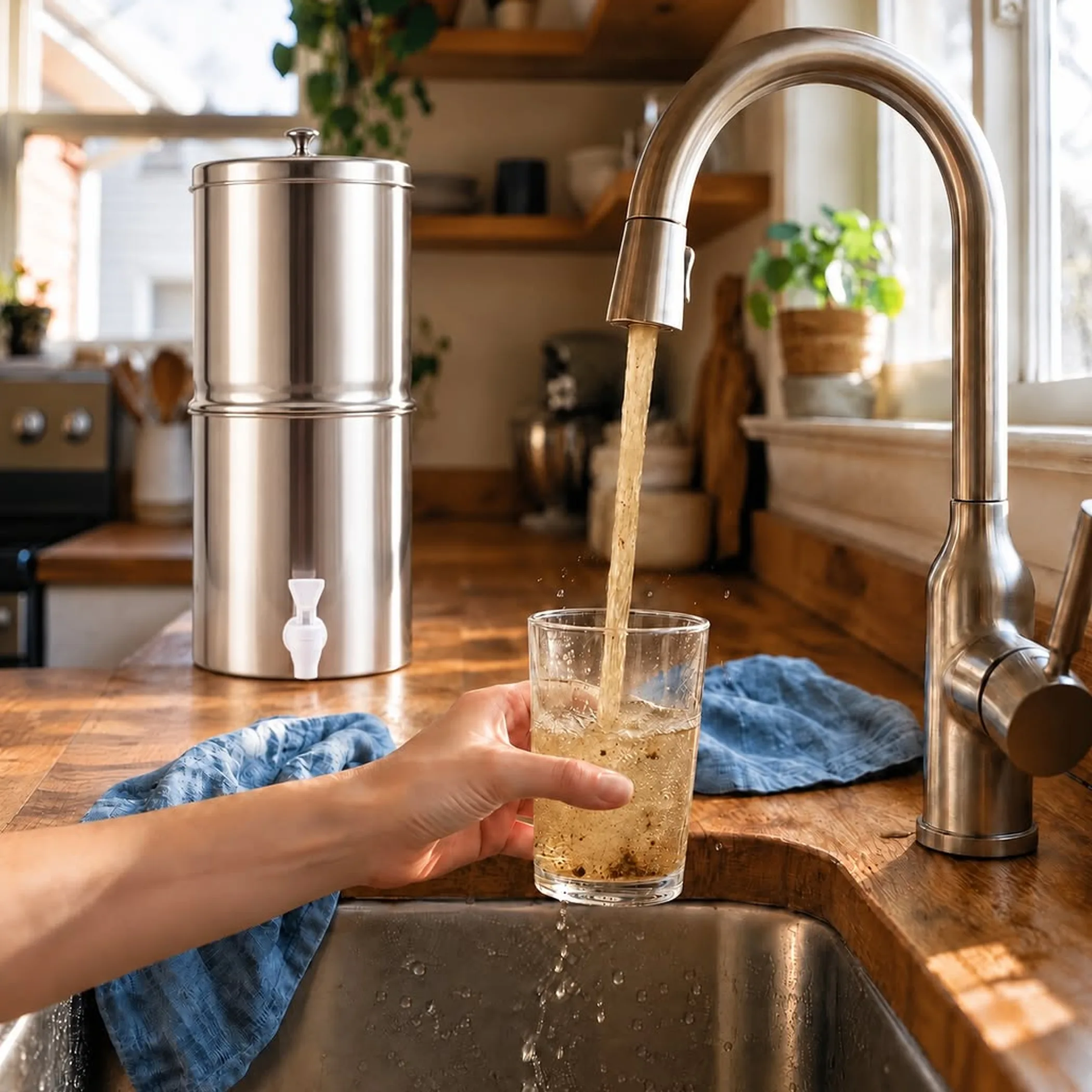
Across Australia the winter will see the air, ground and water infrastructure take a seasonal turn for the worse. Since the mains water is unheated when it comes to your property, you are left with a temperature dictated by the climate and how long it has taken to make the journey from the source.
You will likely notice it in the morning shower. After a frost or a night of no water use, a tap that was only cool in the summer months will seem icy.
A Matter Of Physics
To make the incoming water fit for use the hot water system has to do some heating. Say the inlet is 15°C rather than 20; the system must supply an extra 5°C for each litre.
One kilogram of water (about a litre) takes 4.186 kilojoules to go up a degree. Put another way, to put 5°C into 100 litres is roughly 0.58 kilowatt-hours of energy. More will be out of pocket for a household with a system that loses heat or uses more hot water.
Take an electricity rate of $0.35 per kilowatt-hour for illustration and you are looking at some $0.20 for those 100 litres.
The Source Of The Drop
There are any number of ways the water can be cooled before it gets to the shower head, from the length of the service connection to the weather and the type of pipe. People are sometimes surprised to find that a modest change in temperature can have an effect on energy consumption when you are putting through hundreds of litres a day.
Storage And Natural Sources
Supplies in Australia are drawn from a mix of rivers, dams, surface and groundwater. How these react to the elements, the depth and rainfall varies with the region. Surface water being open to the atmosphere will be quick to show the effects of cold. Groundwater is not necessarily any warmer, even if it is more stable; deep water can still come into the network at what feels like a very cold temperature in winter.
Then there are the large storage tanks and reservoirs which hold water for weeks. They do not alter their temperature overnight so the supply may remain affected by a cold spell even once the weather has turned. For a view on regional conditions and changing patterns, CSIRO has the relevant research on its site.
Pipework
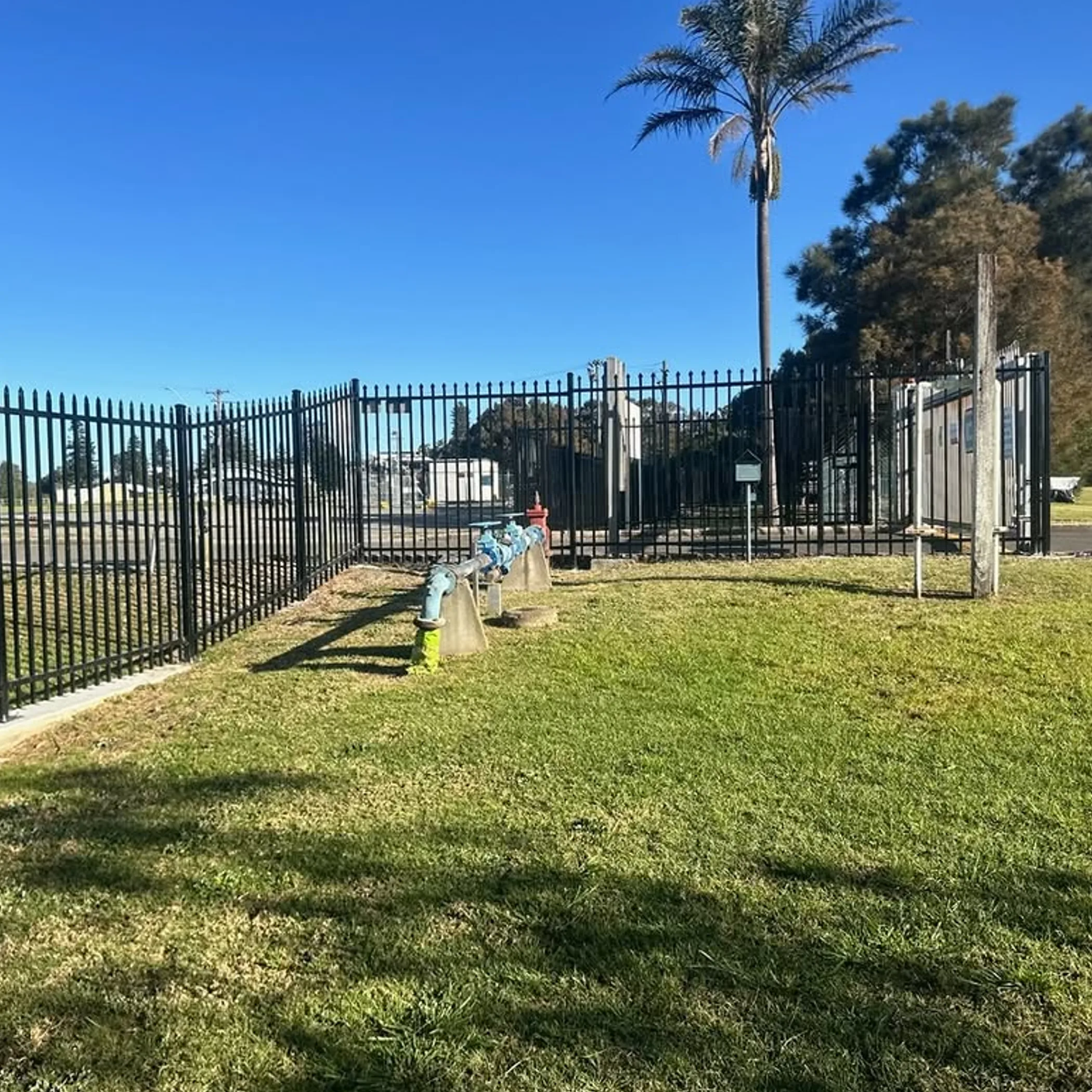
Mains are typically buried but that is no form of insulation. The soil around the underground pipes will be cold in winter and the water will conform to it the longer it is allowed to stand. Any section above ground cools off all the quicker, be it near the meter, in a carport or along an outside wall.
Underground And Exposed Pipework
Metal will feel the coldest as it is a good conductor. Plastic does not make the water cold of itself but where it is sited and how it is insulated makes a difference to the rate of change. One is the water meter, a source of confusion for many. A cold reading from it is not to be taken as the meter on its own chilling the whole supply; rather it is telling you the infrastructure and water coming in are cold at that juncture.
The reason for still water being so cold
Overnight the water in a pipe will come to the temperature of what is around it. Put the tap on and you get that water first, before anything new from the main network has had time to put in an appearance. In the first few seconds it can be colder than what comes after. You will find this is more pronounced in an outdoor tap or a spare bathroom, anywhere in the house that has been left alone since the evening.
Differences you will see across Australia
You will not find one winter water temperature for all of Australia. With climates ranging from arid to alpine, tropical and coastal, the mains water will be different from one city or season to another. The climate, the way the network is laid out and the ground conditions mean Sydney, Melbourne and Adelaide have their own cold inlet temperatures. Two houses in the same suburb can give you a slightly different outcome.
City and Climate Variation
| Location | What can make an impact on winter water | The practical upshot |
|---|---|---|
| Sydney | Coastal climate, local network, reservoirs and rainfall | A cold shower is more in evidence after a cold night or when the system has been idle |
| Melbourne | Distribution distance, seasonal ground and cooler air in winter | Hot water systems have to put in more work |
| Adelaide | Exposed pipework, regional sources and the dry climate | Insulation and where the pipes are can tell |
| Regional Australia | Local climate, long pipe runs, storage tanks and groundwater | Property to property the temperature can be more of a variable |
These are influences, not set temperatures. For any figure on the mains in Sydney or the tap in Melbourne in winter you would want to go by what the water authority has measured or a household reading. SA Water and the like will have supply information but that is not what you will necessarily find at every property. To make sense of your home a test at the cold tap is better.
An explanation for higher bills in winter
When the incoming water is cold the hot water system has to put in more energy, whether electricity or gas, to bring the shower to the desired heat. It is why a bill can go up in winter without any change in routine. There is also the matter of longer showers, baths, warm water for the laundry, a higher setting on the thermostat and the tank losing more heat.
In numbers
Take a household putting 200 litres of water through the heater a day and the cold inlet is 5°C down. On a physics estimate that is some 1.16 kilowatt-hours extra per day. Put a $0.35 tariff on it and you are looking at $0.41 a day, say $12.20 in a month. This is for illustration. Actual cost is a function of how much hot water is used, pipe losses, the system’s efficiency and so on.
Then there is the type of system. A heat pump might be slow to recover in the cold, solar hot water calls for more boosting with limited sun in winter and a gas storage unit will burn more to make up the difference.
Cold water can be a sign of trouble
Of course the inlet is going to be cold. But if it does not stay that way, goes lukewarm in short order or there is a sudden change in temperature the hot water system could be at fault. One has to distinguish a normal part of the season from a problem. Should all the cold taps be colder yet the hot water is steady then the inlet is likely the only story. If it is the hot outlets then the system needs looking into.
Some things to check
- Hot water is gone in no time.
- The shower is running hot and cold with nothing else on.
- Unusual noises from the system, a trip of the circuit breaker or a leak.
- Rusty or cloudy water, or something amiss with the smell.
- It has had time to recover but the temperature is still low.
Leave the electrical covers and safety valves well alone unless you are qualified. Water and electricity do not mix. Call in a licensed plumber or technician if there is a fault to be found, a gas smell or an electrical issue.
Reducing Winter Hot Water Use
From the kitchen tap one can do little to put warmth into the public water network, but it is possible to stem heat loss and cut down on the energy bill within your own property. The trick is to make some small changes and have all in the household see them through.
Before you go about replacing any equipment, do the easy checks first. In a lot of homes you will find useful heat being squandered by long pipe runs, an over zealous thermostat, a showerhead that is not up to the job or a storage tank with inadequate protection.
A Practical Winter Checklist
- Determine if the problem is with the hot or cold water, or both.
- Once the system has had time to recover, take the temperature at the tap.
- Have a look at any exposed hot water pipes for insulation that is missing or in poor order.
- Make a point of not running hot water while you wait and curtail your time in the shower.
- Refer to the manual for warning signs and what constitutes normal recovery.
- And should performance take an abrupt turn for the worse, get a licensed inspector in.
Hot water from the heater or tank will lose less heat with good pipe insulation, though do not expect it to warm the mains supply. That is the reality: insulation is there to preserve what is in the system, not to convert a cold inlet to a hot one. Make sure no flues, valves, electricals or pressure-relief outlets are obstructed by the insulation; when in doubt let a qualified individual look at the installation.
Common Winter Hot Water Mistakes
To put it down on the water supplier for every cold shower is a mistake most people make. More often than not it is a tempering valve, a heating element on the way out, sediment, a worn thermostat or a tank letting heat escape.
Then there is the habit of cranking up the thermostat without due diligence. Not only does that use more energy, it can be a scalding hazard. A licensed professional ought to be the one to check the controls and tempering valves.
What Most People Get Wrong
There is an assumption that a cold tap is evidence of a plumbing fault in the house. Rarely is that so. What is of more interest is a change in the cold or hot water, or in the recovery time. I have been in homes in all manner of Australian climates and am often struck by the part behaviour plays. You can have the best insulation and equipment but an extra long morning shower will nullify it. If the household treats hot water as if it were free, the system will not be able to keep up.
When you need to make a diagnosis, put down the facts: the date, how long the shower was, the weather, the tap temperature and how long for the hot water to come back. It spares the plumber from having to go on “it feels colder” and gives him something concrete to work with.
Who is this for?
Homeowners, landlords and renters alike will find it pertinent, as will anyone putting winter energy use under review. Particularly so in cooler inland parts of the country where you have older electric systems, external heaters or long pipe runs.
But this is no replacement for a professional when you have a leak, an electrical fault, a gas smell or simply no hot water. Those call for someone with the proper qualifications, not an internet experiment at midnight with a screwdriver and hope.
Frequently Asked Questions
Is It Normal For Tap Water To Be Colder In Winter?
It is. The source, the soil and the pipes will be colder in winter and the tap water reflects that. As long as the hot water system is doing its job consistently, a cold tap is to be expected.
Why Are Aussie Houses So Cold?
Heating systems in many an Australian home will only warm certain rooms, and you have draughts, unsealed windows, hard floors and a paucity of insulation. All of which has an effect on exposed pipework and the heat lost from the storage and distribution.
Why Is My Water Coming Out So Cold?
If it is the cold tap then the winter inlet is the answer. With the hot tap, see if the other outlets are affected and if the system has recovered. For lukewarm water that will not abate you want a professional opinion.
Does Colder Mains Water Mean Higher Bills?
It can. There is more heat to be put in to get to the same outlet temperature. How much of an increase you see will be a matter of the litres used, the tariff, efficiency of the system and the heat escaping from the pipes.
How Does A Hot Water System Fare With Cold Inlet Water?
The load on the system is greater and recovery may be slower. Electric and gas will run longer or take more energy; solar and heat-pump are more prone to the conditions of winter.
Will Insulating Pipes Warm Up Incoming Water?
Not usually. It is a means of slowing a change in temperature and helping the hot water to hold onto its heat once it is off the heater. But it will not put warmth in the cold inlet. And it must be done safely around the equipment.
The Practical Winter Takeaway
In Australia the climate cools and with it the reservoirs, groundwater and pipework, so the mains water coming in is of a lower temperature. That demands more energy per litre and shows up in the hot water bills.
See what has changed in terms of usage, the hot water recovery or the temperature at the inlet. Use hot water with some restraint and insulate the pipes. If it looks like a fault and not the season, put in a call to a licensed professional.
Connor Birchall puts together lifestyle guides for Australians who would rather have an honest assessment and useful answers than a surprise in the shower.