

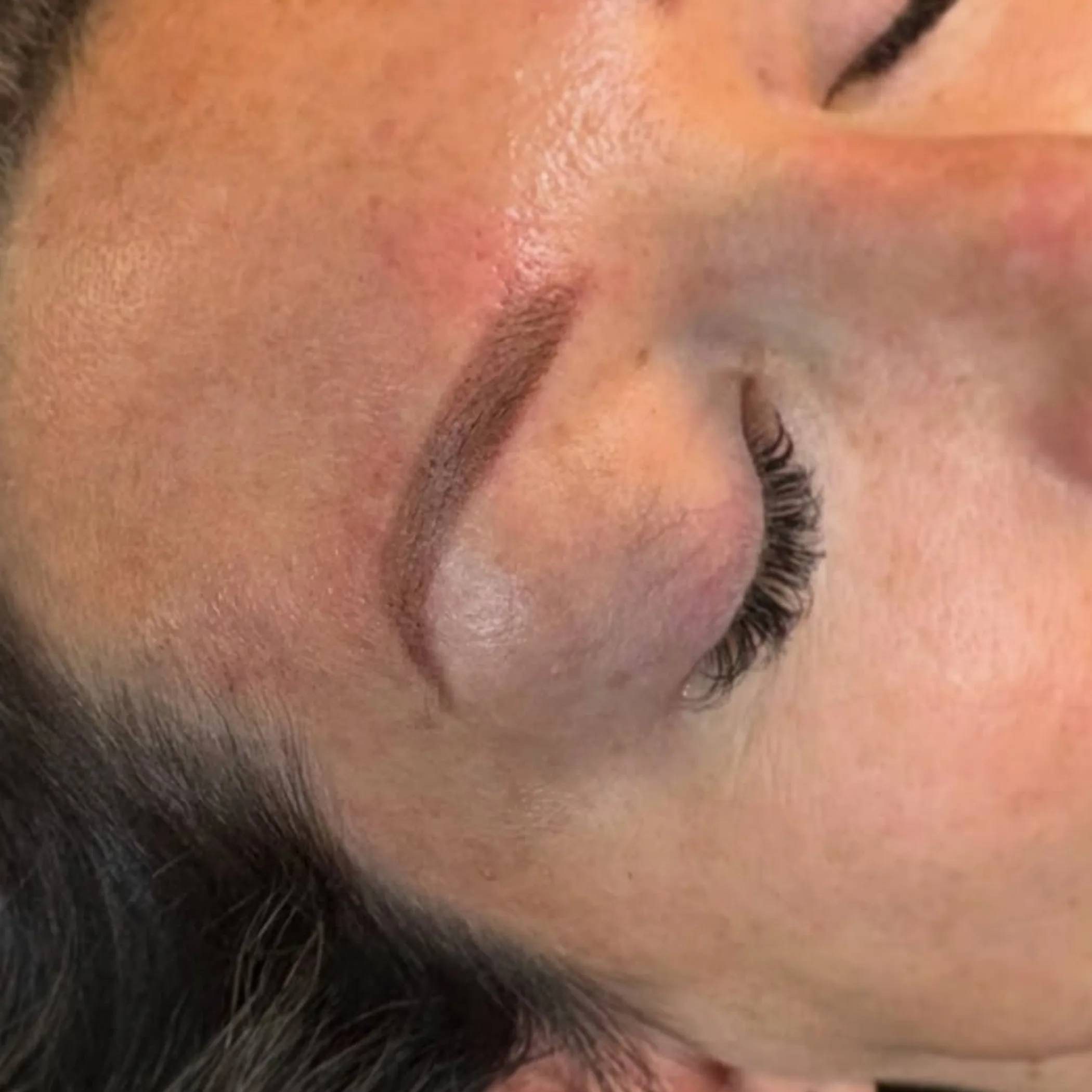
Put simply, there is no national licence in Australia that an operator can hold and be covered in any state; yet every cosmetic tattoo enterprise has to put together a combination of state health rules, infection control standards, local council demands and at times operator-specific approvals to get off the ground. The precise paperwork for your permanent makeup, microblading or lip tattoo operation will be dictated by whether you are operating in New South Wales, Victoria, Queensland, Western Australia, South Australia, Tasmania, the ACT or the Northern Territory.
I am Connor Birchall. After all these years of wading through the practicalities of bookings and business before a trip, I have found that operators make the error of thinking “tattooing” is regulated uniformly. It is not. In some states the onus is on the local council to be notified, in others it is about premises registration for cosmetic tattoos, and then you have police or business licensing to contend with. I have put together this guide to lay out the 2026 situation in plain English, without the regulatory obfuscation.
The National Basics
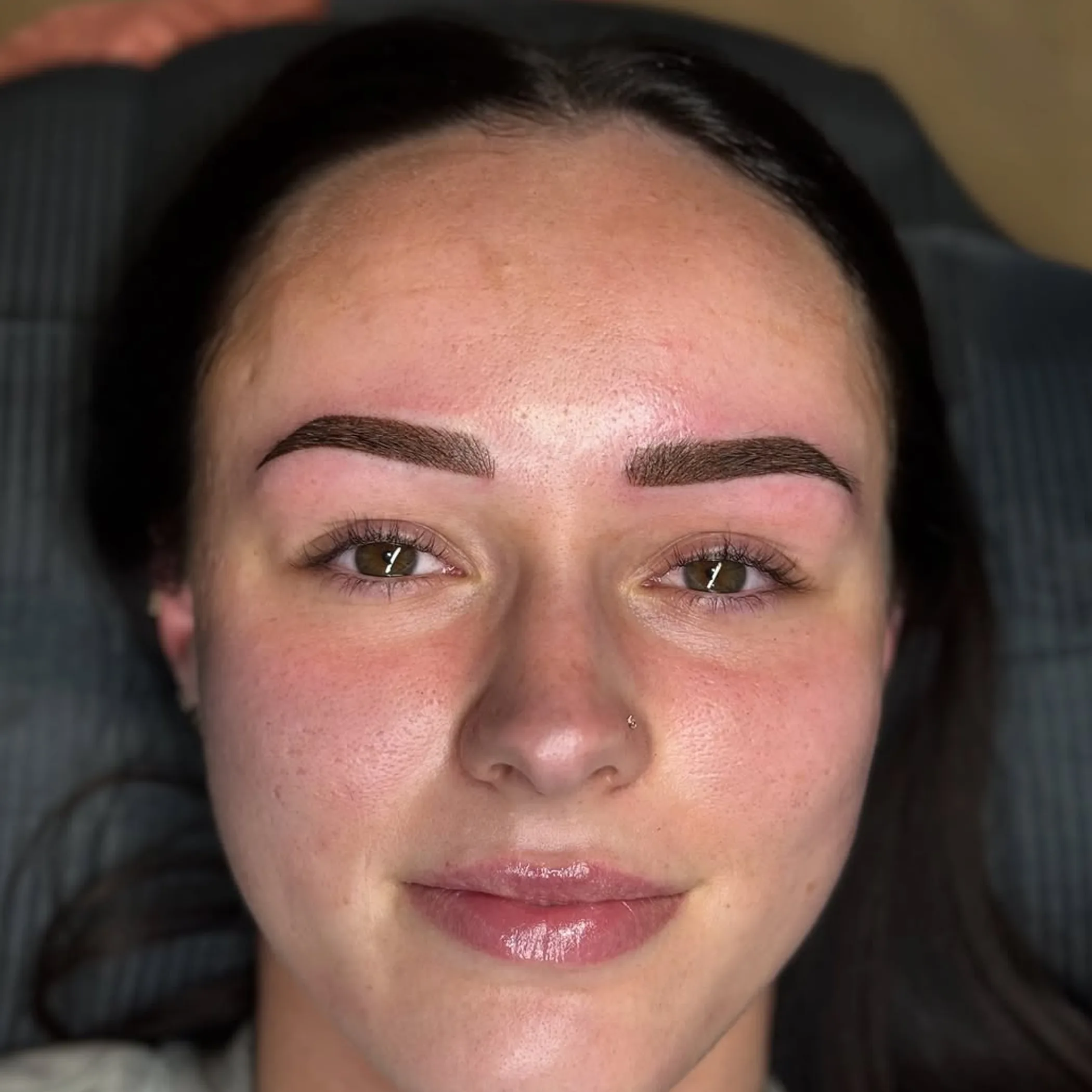
One does not have to concern oneself with which form is wanted by which state to see the common denominator. Needles breaking the skin means cosmetic tattooing is regarded as a skin penetration activity and public health regulation comes to the fore. Be it brows or permanent eyeliner and blush lips, the risks are the same: contaminated instruments, blood exposure, lax cleaning or an unsafe fit-out of the premises. Reviewing lip tattoo guidelines can help clarify the practical standard. The agencies may differ but their expectations do not.
An Operator’s Usual Requisites
You will want suitable premises, handwashing, waste management, client records, an approved system for disposing of sharps and single-use needles where called for. An environmental health officer will want to be sure the room can be put right and the workflow is not haphazard. As for training, HLTINF005 is the de facto baseline for infection control when doing skin penetration work. Check too if your state or council is still taking older superseded units for it, a small admin trap for the unwary.
Where People Err
A course certificate is not a legal imprimatur to trade. That shows a client you have put in the study time; the regulators need the permits and registration to say you can do it from here. And do not think only of the operator and ignore the venue. Whether it is a home studio or a chair you have rented, parking and the location of a hand basin are the kind of dull matters that will put a week or more on your opening date.
| Area | Common 2026 Requirement | Why It Matters |
|---|---|---|
| Training | HLTINF005 etc. | Proof of safe practice and knowledge of infection risks |
| Premises | Council/state body approval or notification | To satisfy public health standards |
| Equipment | Sterile consumables, cleaning systems, single-use needles | Cross-contamination is not an option |
| Sterilisation | Autoclave for anything reusable | Indispensable if the instrument is not disposable |
| Records | Incident and procedure notes, consent forms | For traceability should a complaint arise |
| Age Rules | Varies in Australia | Penalties for treating a minor |
Safe Work Australia is an official point of reference when it comes to infection prevention; they are clear that businesses have to manage any exposure to blood and body substances in the course of a cosmetic tattoo. See Safe Work Australia guidance for details.
Compliance in New South Wales
In NSW an operator might arrive with the talent and a ring light and a stack of consent forms, and then the paperwork makes itself known. There is no one artist licence to cover you; it is a matter of council oversight and skin penetration compliance. They are right to be hard line on such procedures, after all you are piercing the skin for a cosmetic effect, not just making a show with a pigment wand.
Premises And Procedures
A business in New South Wales will for the most part have to put in a notification or register with the Local Council prior to commencing any skin penetration work; what is required is a matter of your premises and the locality. The Council might make an inspection of the site to see how you handle instruments, your waste, handwashing facilities and cleaning surfaces.
Sterilisation is of some consequence when one employs reusable tools on broken skin. You can make compliance easier by having a setup of single-use items and disposable cartridges, yet written infection control and safe handling procedures are still called for.
Pitfalls For NSW Operators
There is a tendency to rent space in a beauty salon and be of the mind that the salon’s approval is good enough for your treatment area. One would be mistaken. A change in the nature of the business can prompt the council to want a new inspection or updated notification.
Then there are lip services. The client will enquire as to healing and aftercare in the same vein as any other beauty treatment. But under the guidelines for permanent makeup, a lip tattoo is subject to the same risk framework as far as compliance is concerned, so hygiene standards do not waver.
Councils In Victoria
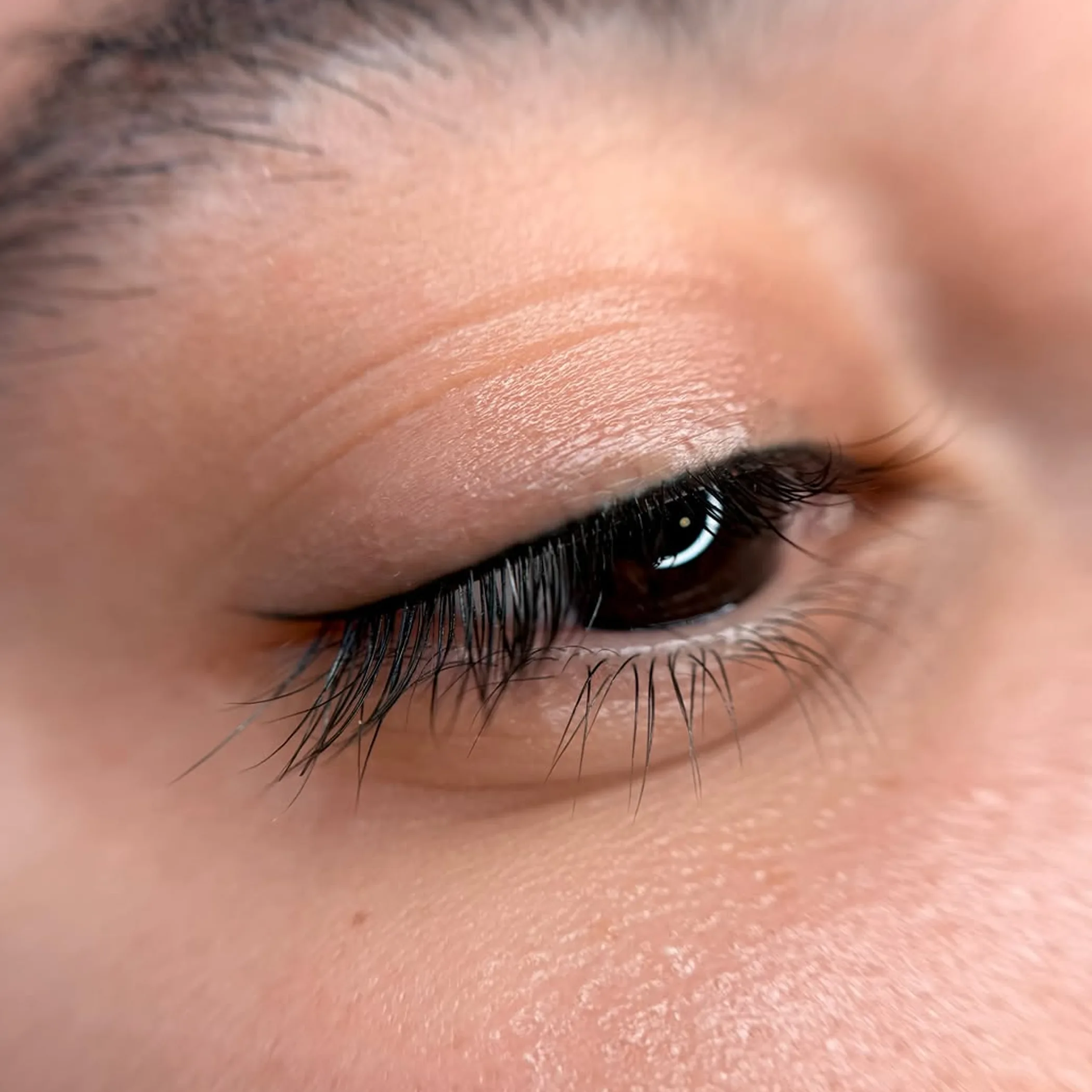
On the face of it Victoria is straightforward but it has a way of becoming very technical. Do not look for a statewide licence for cosmetic artists; rather, the Public Health and Wellbeing Act means your premises are put in order via local council registration. Should one be looking for a skin penetration permit in 2026, it is a question of local health oversight and registering the business. The council is where most renewals and approvals are had.
The Basics Of Registration
To carry out skin penetration in Victoria you will need to register with the council. An environmental health officer could call at the premises for an inspection before he will grant or renew that registration, a new studio fit-out being a case in point.
People in Victoria are apt to underestimate the design of the room. A poorly ventilated or cluttered treatment room, carpeting or a sink in an inconvenient spot will cause problems. The officer is not there to opine on your décor but to determine if the room is capable of being put through its paces safely and cleaned properly on a daily basis.
A Reality Check In Victoria
New operators often fancy the home studio as the economical and easy choice. They can be right, or they may find themselves with parking problems, more interest from neighbours than they bargained for and extra fit-out costs. Factor in the plumbing and you will find the “cheap” option has run to several thousand dollars in work.
For those putting in place microblading or permanent eyeliner in Victoria, allow yourself more time to get off the mark. Between amending plans and answering queries from the council, the process of registration and setting up the room will take longer than is usually thought.
The Way Of Things In Queensland
Regulation in Queensland has a particular character and operators are wont to put “tattoo licence QLD” into a search engine and be none the wiser for it. The nub of the matter is what permissions are in play for your premises and whether the service you offer is deemed a higher risk personal appearance service.
As Connor Birchall would say, it is not insurmountable in Queensland but you are better to read the fine print of a lease first. To go up the coast in a storm without consulting the radar is something like it; you may come to no harm but I would not put my money on it.
Higher-Risk Services
Because of the skin penetration involved, cosmetic tattooing is seen as a higher risk service here. Operators must follow the health rules of the Queensland Government and may require the go ahead from local government.
You will be expected to show infection control training and have your records, sterilisation and waste disposal in order. Reusable equipment makes autoclave compliance a big deal. With disposables your system for handling and getting rid of them has to be above board.
Some Advice For Setting Up In Queensland
Make a day of it to get your opening plan in order and use it to put to rest any doubt over your local council requirements and the classification of your services. A phone call or two will spare you weeks of correspondence down the line.
Be realistic with your budget. Before you have even put down the rent or insurance, the likes of signage, sinks, storage, sharps systems and a fit-out to code will be running you several thousand in AUD. It is the room that conforms to the paperwork that is expensive, not the paperwork itself.
Western Australia
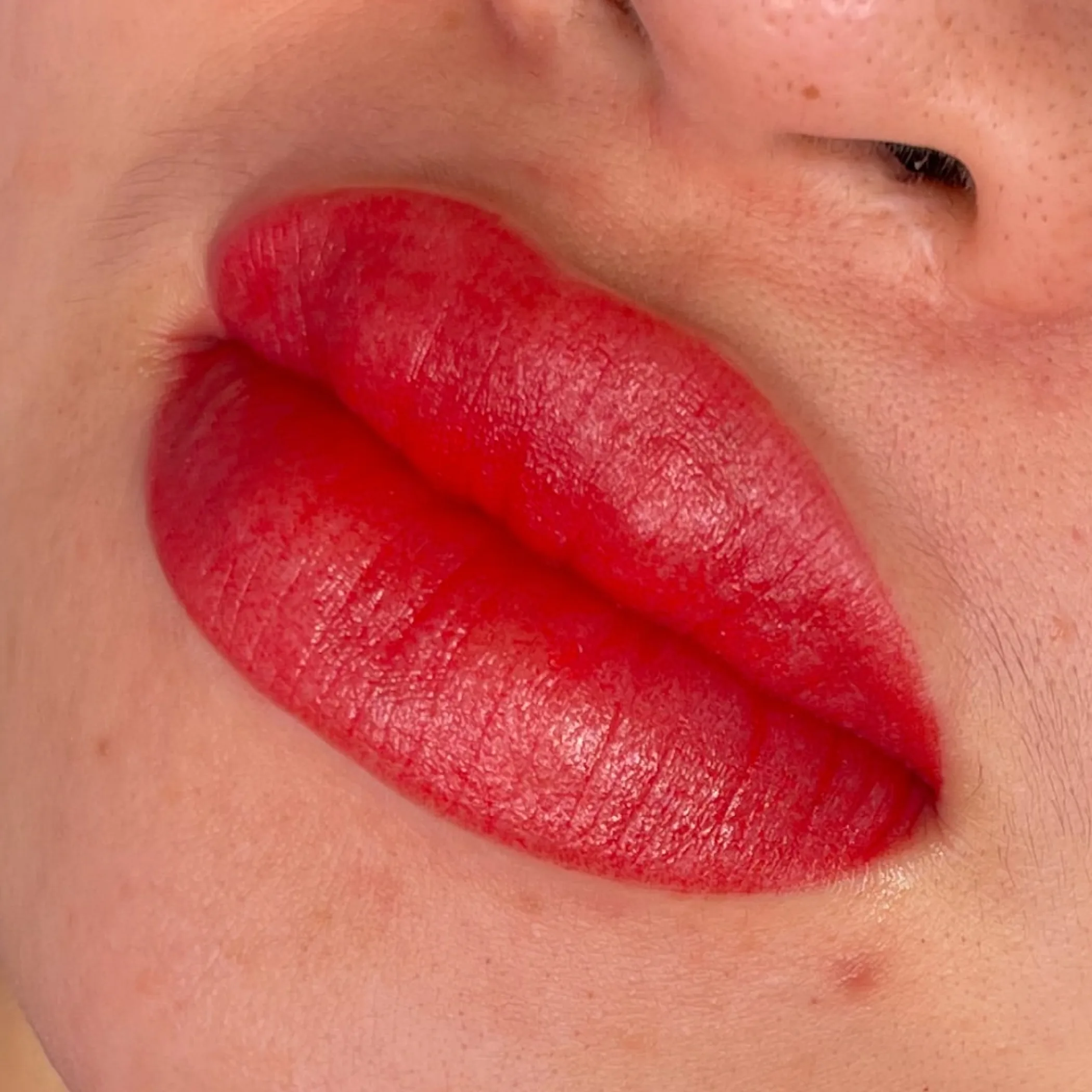
In Western Australia the emphasis is unambiguously on safe procedures and the standard of your premises. Those in the business of permanent makeup in WA would do well to put marketing considerations aside and make sure their operation is up to what Health WA expects of skin penetration work.
It is a state where one can be caught out by the notion that the rules for cosmetic tattooing are the same as for any other beauty treatment. They are not always so accommodating.
WA Skin Penetration Focus
Public health requirements in Western Australia govern skin penetration, from hygiene and sterilisation to the equipment and the premises itself. Local government may have a say in the approval or oversight of where you conduct such procedures. What matters in WA is demonstrating an infection control system that holds water in practice and not only in theory. Be it the disposal of sharps, storage or the segregation of clean and dirty stock and surfaces, it has to be in order. Regional operators should factor in more time for stock to arrive or for servicing; once you are some distance from Perth the distances are considerable and a part you need might as well be in the Pilbara in the wet season.
South Australia Extra Checks
There is a tendency in South Australia for operators to question whether they have the right form pack when they come across police checks. But they have not made a mistake. SA’s registration and approval process is more pronounced than in other states for body art concerns.
Do not overlook the operator element of things if you are to have a cosmetic tattoo business here; some will waste time under the impression that room approval is all there is to it.
Registration And Police Matters
With the South Australia Police (SAPOL) and Consumer and Business Services (CBS) part of the regulatory mix, your pathway in this state will be dictated by how your business is put together and the services you offer, as well as local council and body art regulations.
The sequencing is where people are made to wait. You have to have your personal identification, fit-out and supporting papers in place before an approval is put to bed. One thing short and you are as stuck as a ute on a soft shoulder.
Tasmania Local Approval
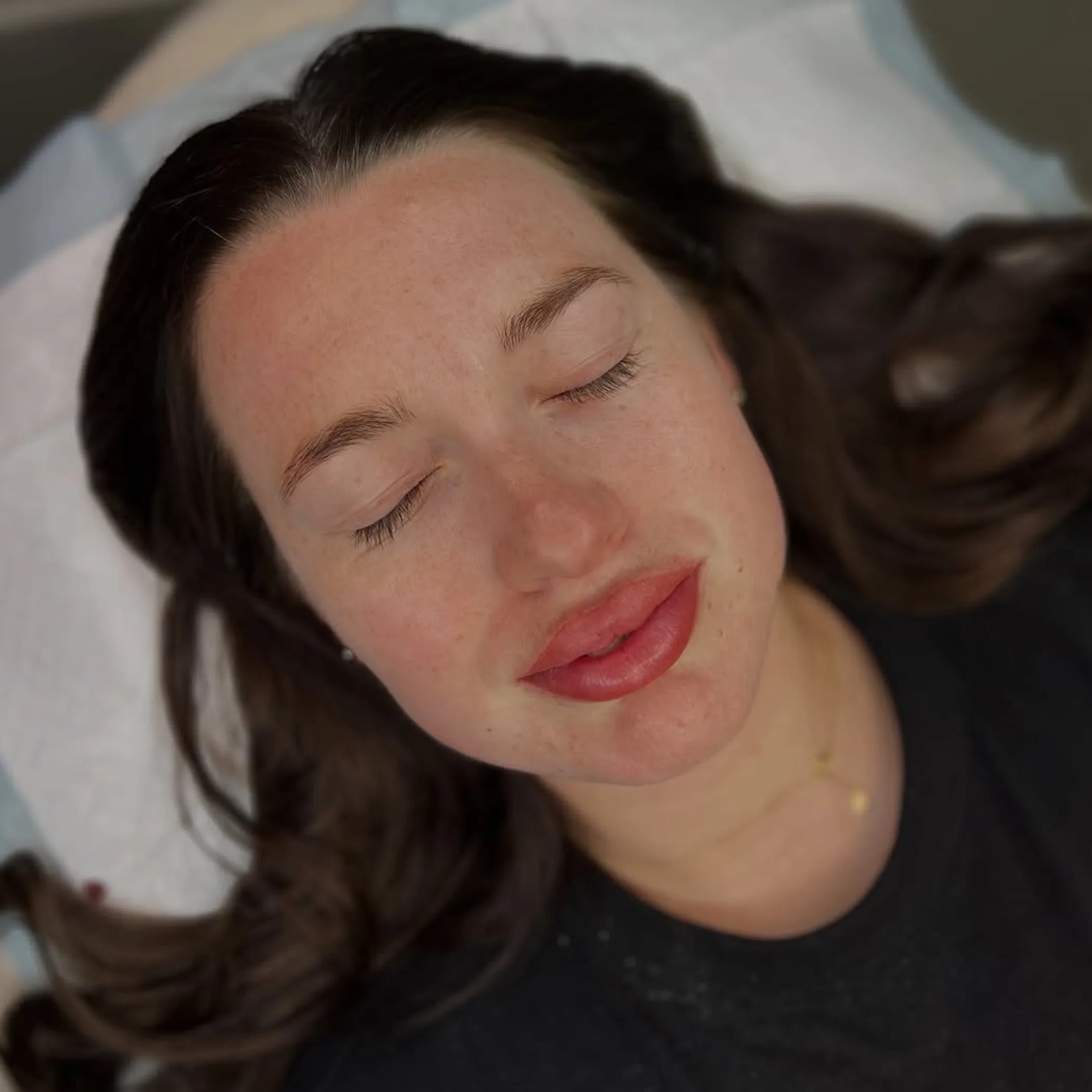
Do not let the size of Tasmania on the map fool you into thinking it is an easy ride. Hygiene standards and local government registration are still of consequence, with some of the smaller councils very particular about the details of a premises. You will find communication is more straightforward, but if you are non-compliant there is no shelter in vague advice.
Tasmanian Practicalities
Skin penetration is regarded as a public health issue in Tasmania, not a mere beauty service. Cosmetic tattooers can count on the council to look at sanitation, handwashing, waste and the like. Then there is the matter of transport and supply. Allow some buffer days for an autoclave service or specialist furniture; while the island is pleasant enough, freight is not going to oblige your launch schedule.
ACT And NT Differences
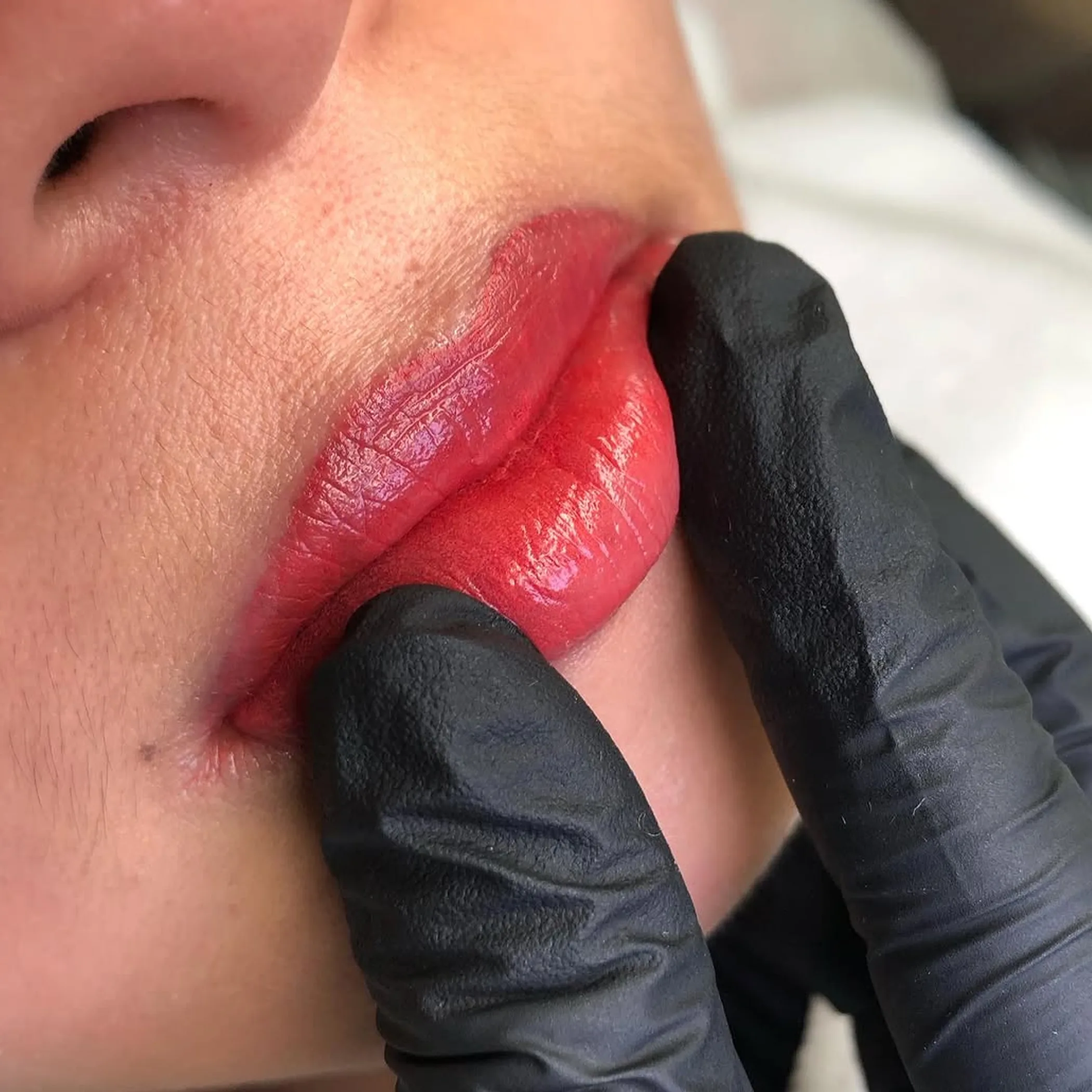
One might see the Australian Capital Territory and Northern Territory put in the same sentence in a hasty overview but they are not the same. The ACT is administrative and compact, the NT is more variable in its local conditions and the way it enforces things.
Still, a cosmetic tattoo operator has to be serious about the design of the premises, infection control and registration. There are no shortcuts, nor is “she’ll be right” an option when needles are involved.
ACT Snapshot
Cosmetic tattooing in the territory is subject to compliance rules on the safety of the premises and skin penetration. It is advisable to get the green light from any local business approvals and confirm territory health stipulations first, in particular for residential or mixed-use set ups.
NT Snapshot
Public health expectations and local approvals apply to skin penetration in the Northern Territory. For those opening outside of Darwin the logistics are more of an issue than a novice might think. Inspection scheduling, a lack of workforce and the timing of freight can put a drag on your plans. A fit-out may seem a simple matter on paper but in the Top End a two-week job can be protracted by supply gaps, contractors being unavailable or the wet season.
Before You Open Checklist
You may want to have a hard copy of this. There is no point in a cosmetic tattoo business going to market with some of its operational ducks still out in the car park. Get them all in order first. A properly put together operation will have regulators at arm’s length and spare you the cost of rework, while affording your clients the protection they are due.
For the novice this part of the process is to be put first and foremost. And if you are an established beauty business putting permanent makeup on the table, do not make the mistake of thinking what you are approved for now extends to the new service.
- Make sure you know if the state you are in classifies any of your service mix as higher risk personal appearance or skin penetration of an equivalent nature.
- See what the local council has in the way of notification or approval for the premises address in question.
- Have your infection control training done (the HLTINF005 for instance) and the evidence to show for it.
- Put in place the handwashing, cleaning stations, waste and sharps disposal systems ahead of any inspection.
- Document your sterile stock and use single-use needles as called for; should you have reusable instruments, your autoclave and sterilisation systems must be verified.
- Client consent forms, aftercare sheets, a cleaning schedule and incident logs should all be in place.
- As for younger clients, check the Australian rules on age restrictions in your state before making a booking.
- Look over the lease, parking and any landlord sign-off that may be needed, and put some AUD aside in the budget for fit-out alterations once you have had the inspector’s say so.
Who is this guide for?
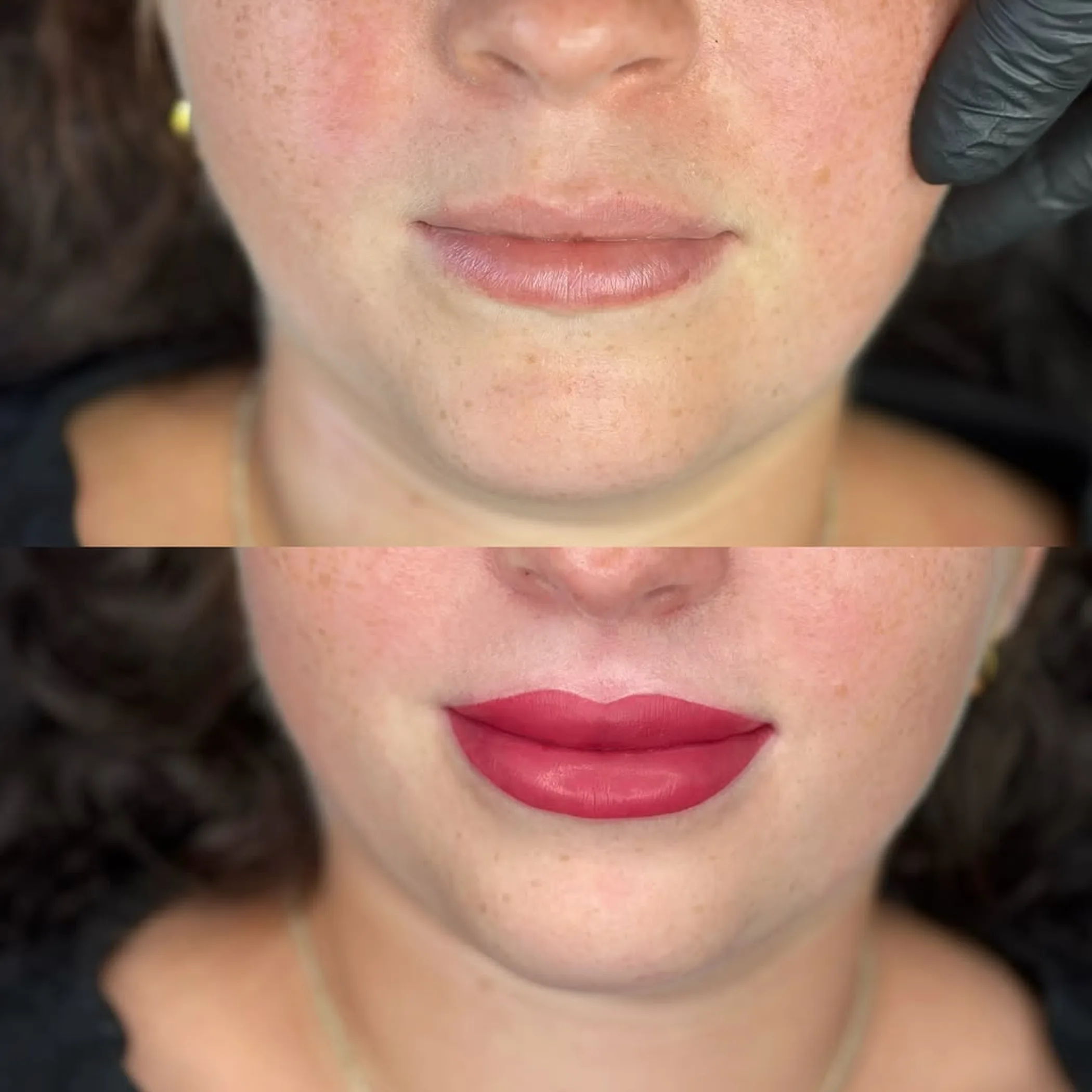
New operators, salon owners who are branching into cosmetic tattooing, and those from interstate who would rather not trawl the internet to see how the rules stack up will find it most useful. Trainers and admin types looking for something of substance by way of a compliance reference, as opposed to a sales brochure, can make use of it too.
Then there are those who should not put their faith in this alone. If the setup is complicated, be it mobile, cross-border near a state line, under medical oversight or in a room leased from another registered concern, one has to go to the Local Council and regulator for confirmation. The fine print is important in such instances.
Frequently Asked Questions
The kind of questions we get asked, more often than not once a lease is signed or equipment purchased. It is never too late but it is cheaper to do so sooner.
How does one become a cosmetic tattoo artist in Australia?
In the main you will require procedure training and a compliant premises to satisfy state and local demands, along with infection control training like HLTINF005 where it is taken. You need both the skill and the legal side of things to be a cosmetic tattoo artist; neither is sufficient in isolation.
Is a licence necessary to tattoo in Australia?
Not in the way some might think, and not always. There is no national licence of one type to rule them all in Australia, it is a matter of which state or territory you are in. An operator licence, registration with the council or your business, or some combination of the above could be in order.
Are there plenty of opportunities for tattoo artists in Australia?
You will find demand, especially for brows, lip and eyeliner work, but that does not absolve you of compliance. The ones that have staying power tend to be the operators whose technical ability is matched by safe systems and the right approvals.
What sort of certification is required?
By and large the benchmark is an infection control certificate, HLTINF005 being the usual, on top of any training in the cosmetic techniques. Course records should be kept and brought up to date when standards are revised, as some councils or states will want to see proof of competency.
Is it possible to do cosmetic tattooing from home?
If the local planning and health rules allow for a home-based operation and the room is up to standard, then yes. But do not imagine it is as straightforward as it seems. Home studios run into trouble with council approval, shared access, waste and surfaces.
A word from Connor
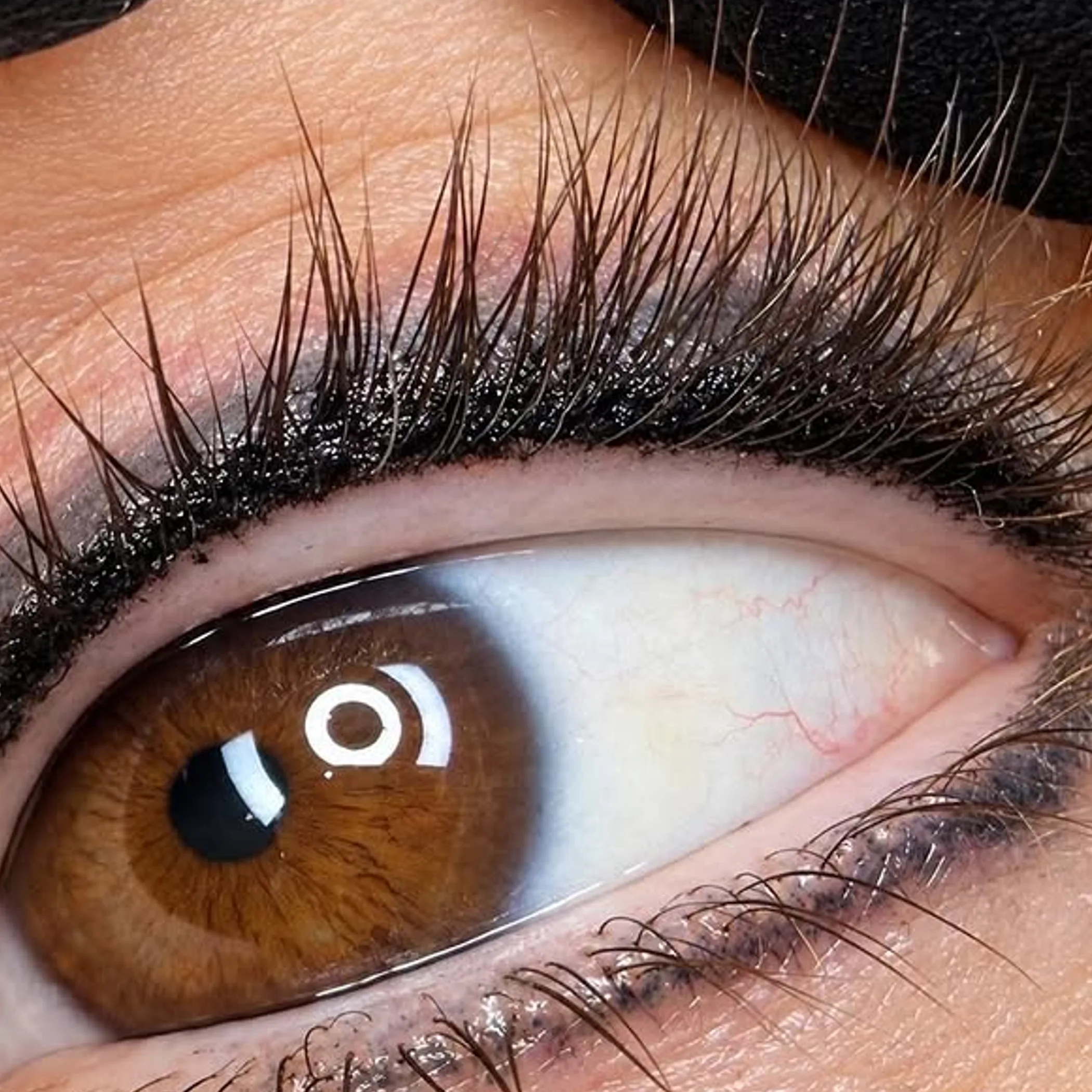
I will be brief: the licensing requirements in 2026 are a function of your state, your service and your premises, but you will find infection control and safe practice to be at the heart of it, as well as having the authority’s blessing. Do not expect to find a magic permit for all of Australia to let you set up your machine and get on with it.
My advice is to establish the approval pathway for your procedures and address before laying out for the furniture and branding. At a remove the regulations for permanent makeup in Australia can seem unremarkable, but the odd bump appears when you start to look at it from state to state. Get the rules in order and the rest of the business will run a lot better for it.