

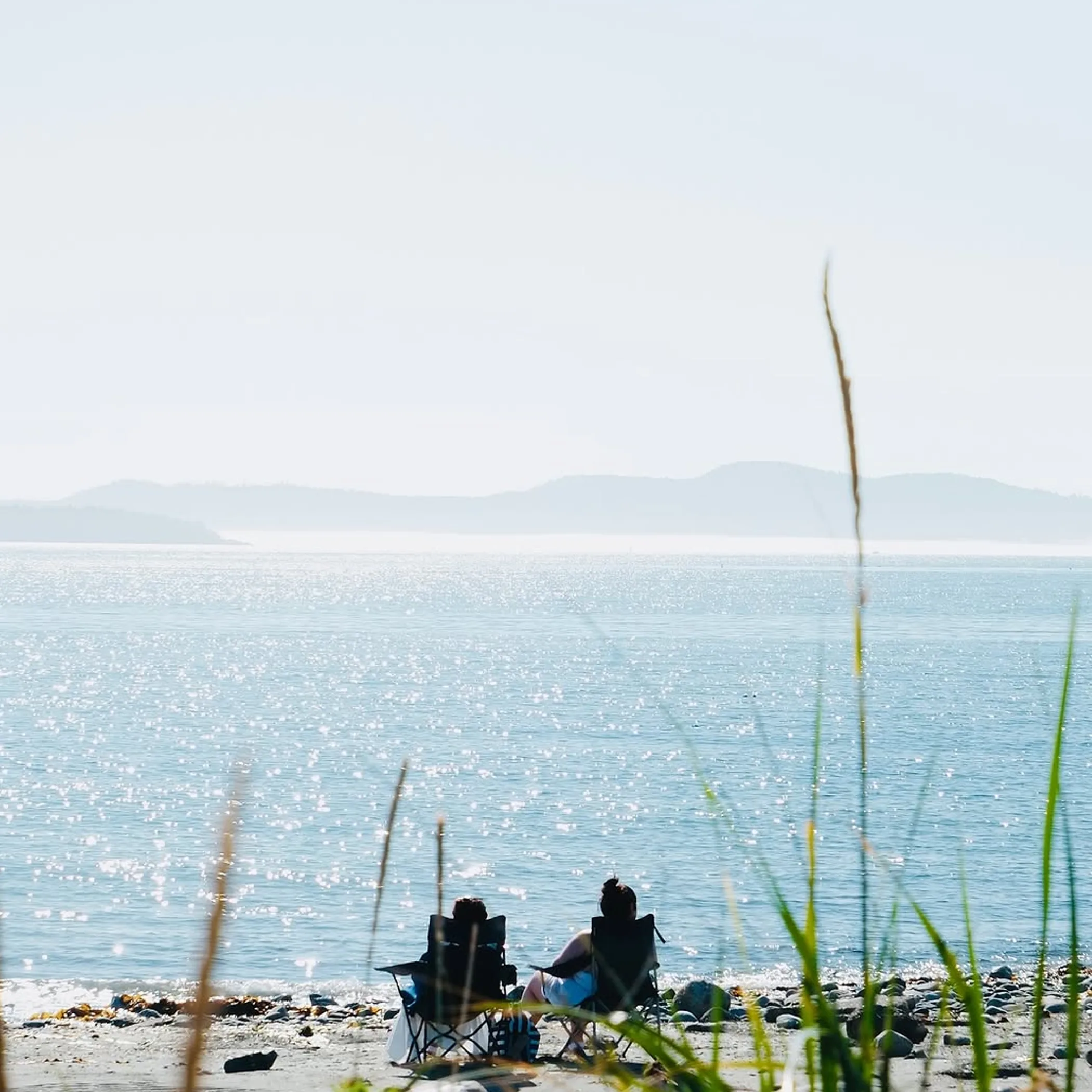
There is a rule of thumb to it: do not be taken in by a beach that appears calm, swim only between the red and yellow flags and make sure you have checked the conditions. The Victorian coast has a way of turning on you in an instant; one summer or another a rip, a bit of swell, cold water, wind, fast tides or a rock underfoot will put even a good swimmer in his place.
I am Connor Birchall. In my time assisting travellers with their coastal plans I have come to see that trouble at the beach is usually made before one gets in the water. A person will put off looking at the forecast, park at some distance from the best access, go past the flags or think a wave of no account is harmless. The ocean is rude about such confidence.
Beach Safety Tips For The Victoria Coast
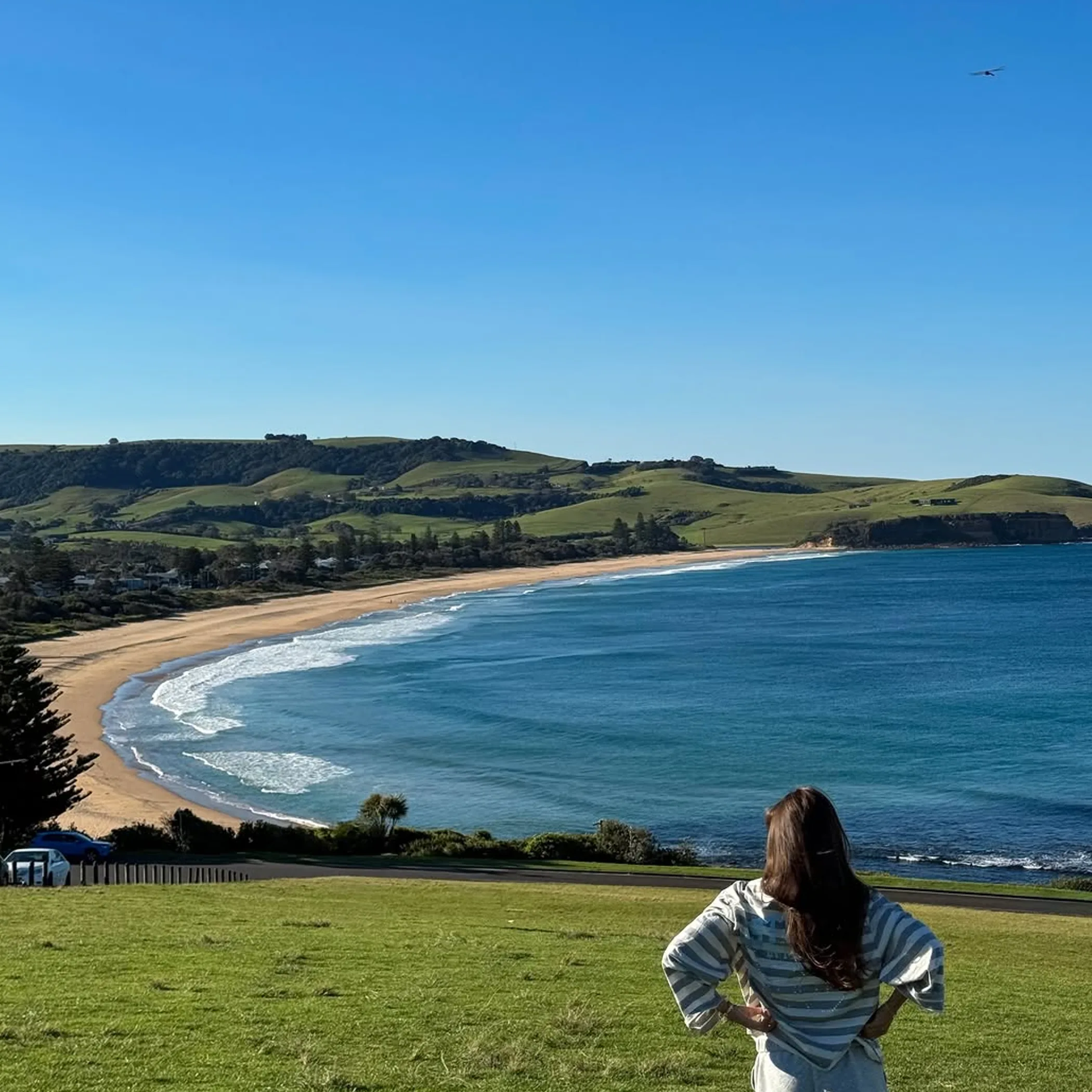
With proper preparation you can put more of your time into the beach and less into fending off difficulties with a towel and a half empty bottle of warm water while your phone is dead. These tips are for anyone surfing Flynns Reef or travelling to the Victoria coast, be it a well trodden Melbourne beach or something more subdued on the Great Ocean Road, Phillip Island or Wilsons Promontory.
Make for a patrolled beach if you can. Let others know your whereabouts, factor in the time for parking and the walk. Do not forget that on a remote beach there is little chance of a phone signal, no toilets and no easy way to get help.
Choosing Your Beach
If you are with family or are not up to much of a swimmer, or are new to the surf, a patrolled beach with facilities and open access is to be preferred. Do not mistake a quiet beach for a safe one, it may be for want of anyone to sound the alarm.
See what you are dealing with: steep ground, reef, rocks, an exposed sandbar or a long trek from the car. When the weather turns or the tide comes in and the track is poor, alter your plans. There is nothing to be won by ending the day with a sprained ankle and a look of heroism.
Conditions To Check
The Bureau of Meteorology marine forecasts and warnings are worth consulting for wind, tides and the like before you set out, but they do not tell the whole story and a regional forecast is no assurance the cove or reef ahead of you will be compliant. Once you are there, have a word with the lifesavers and give the water a few minutes of your attention.
Reading The Beach
Observe where the waves break and where they do not. You will see channels of dark water and foam being drawn out to sea. An inviting smoothness in the water between breaking waves is often a rip current and a trap.
Plan to walk the headlands or rock platforms? Then check the tide. What is straightforward at low tide will not be later. Travellers will pore over a walking track and overlook the fact the beach is how they are to get back.
A quick check on arrival is in order.
- See where the red and yellow flags are for the safest entry.
- Check the wind, swell, tide, water temperature and storm activity.
- Make note of the nearest lifesaving service, first-aid point, toilet and road for emergencies.
- Let your party know where to regroup should they get separated.
- Put in place your sun protection and warm clothes, and have a charged phone and water to hand.
Swimming Between The Flags
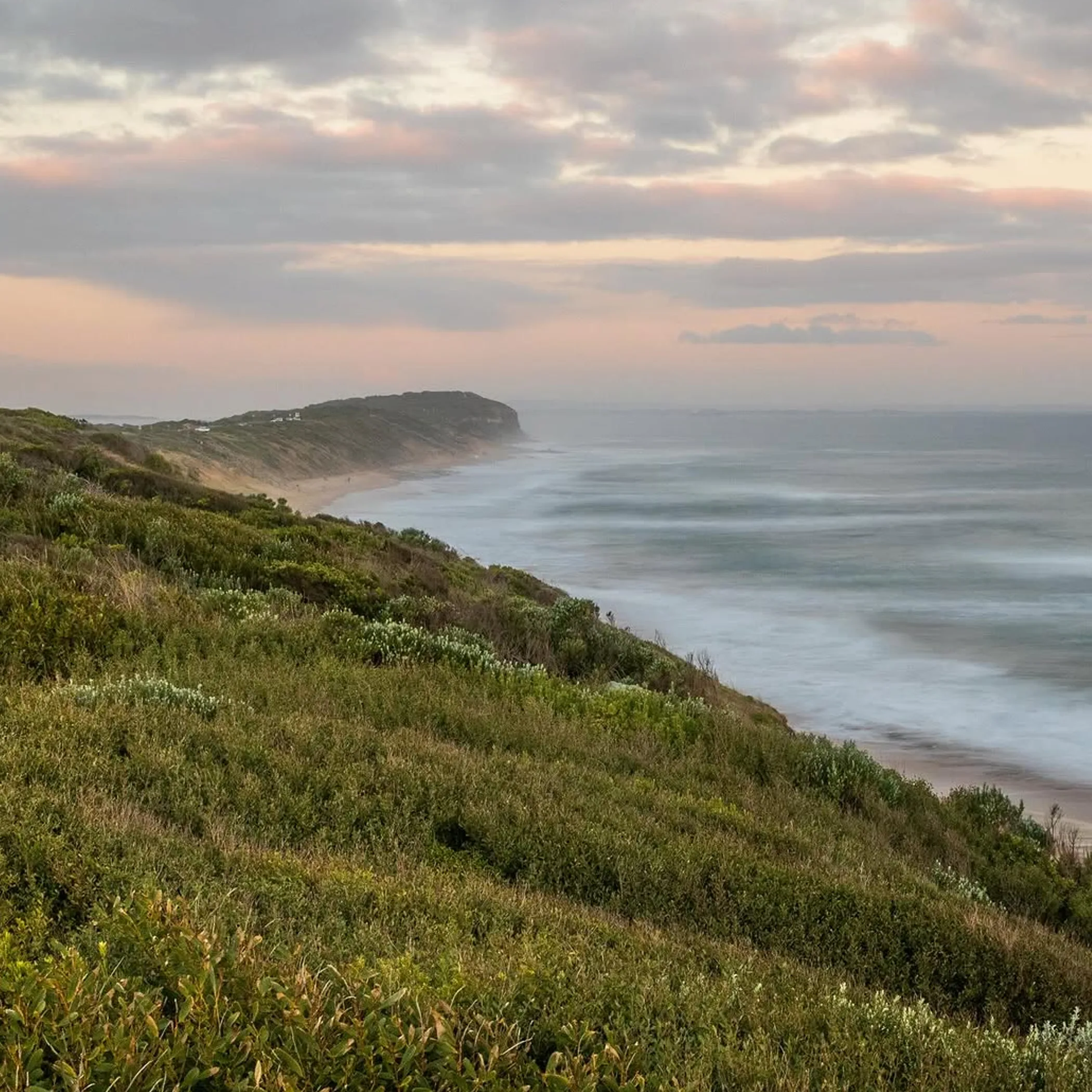
Those are the waters the lifesavers have deemed the safest and will be watching. It is not risk free but you will be seen and assisted all the same. Do not head for the horizon, swim parallel to the shore and keep control of yourself. Put off the alcohol. If you are told to leave the water, do so. The lifesavers are not being dramatic in moving the flags or shutting down an area.
Know The Flag System
In any doubt as to the signs or the state of the water, put it to a lifesaver. Heed any shark or storm warning and temporary closures. Where there are no flags, exercise the caution of an unpatrolled beach. Wind or a current will see an inflatable toy, bodyboard or any floatation device put some distance between itself and the shore in no time. Do not consider them a replacement for proper supervision or the ability to swim. It is easy for a child after a brightly coloured inflatable to be in water too deep for his own good before an adult has uttered “Stay close.”
Dealing with a Rip Current
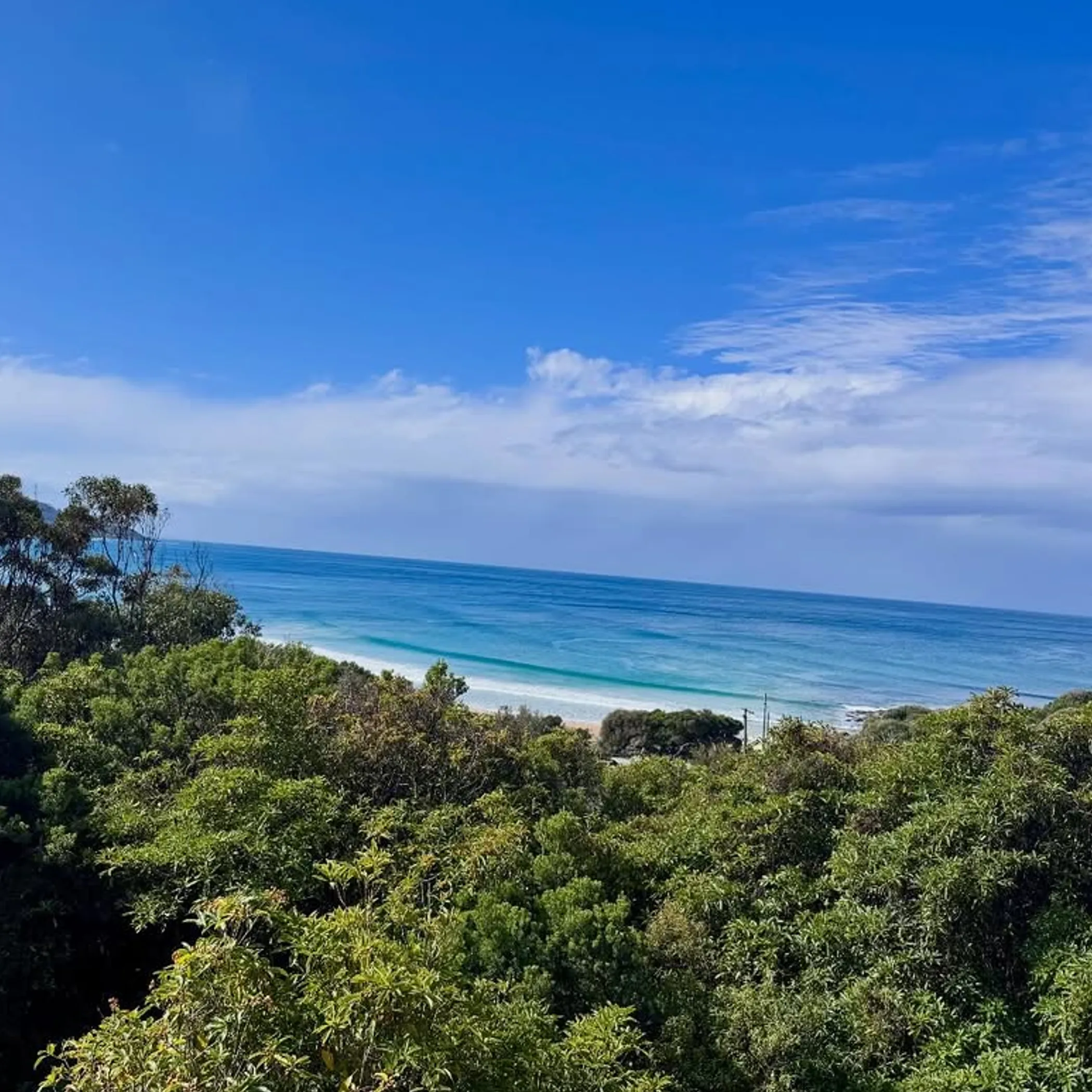
Rips are strong channels of water that pull away from the beach. You can find them at nearly any beach and they are not always obvious from the sand, where uneven waves or a lot of people in the water can make them hard to spot.
The error most make is to put up a fight and swim straight into the current. One is likely to be spent before any headway is made, and what was a manageable affair becomes an emergency.
A Three-Step Response
- Float and keep your composure. Put an arm up to be seen and call out.
- Swim parallel to the shoreline to get beyond the worst of it; do not try to go against it.
- When you are clear of the rip, let the breaking waves bring you back or heed the lifesavers.
Should you spot another in a rip, let a lifesaver know at once. Unless you have the training and gear to mount a rescue, do not go in after him. A flotation aid should be thrown if at hand and keep indicating the person so rescuers have a fix on them.
| What You Notice | What it could be | Safer course of action |
|---|---|---|
| Dark water, smooth as glass between the breakers | A rip current is possible | Stick to the flagged area or put it to a lifesaver |
| Debris or foam heading to sea | Offshore flow | Warn those with you and stay out of it |
| Waves on either side breaking hard | A channel between the sandbars | The calm in the middle is not a safe place to enter |
| Hard going making your way back | You are in a rip | Signal, float and, if you can, swim parallel |
Sun, Heat and Hydration
Even in mild air, Victoria will give you hot sand, wind and a sharp sun. The wind can mask the burn and cold water saps a swimmer’s energy quicker than one would think.
The Bureau of Meteorology’s UV Index is a guide to ultraviolet exposure; when it is 3 or more, put on some protection. That means a hat and shirt, broad-spectrum sunscreen (reapply post-swim) and some shade in the afternoon.
Be prepared for a change in the weather
Take a first-aid kit, a towel, some spare clothes and a bag for rubbish. If you have to walk from a car park out in the country, put in more drinking water than seems necessary. A towel is handy but will not hydrate you.
Headache, dizziness, nausea or confusion are early signs of heat illness. Put the individual in the shade and cool him down; if there is a collapse or things are getting worse, get medical attention. And under no circumstances is a child or pet to be left in a parked car, not even for a trip to the dunny.
Surfing and the Reef
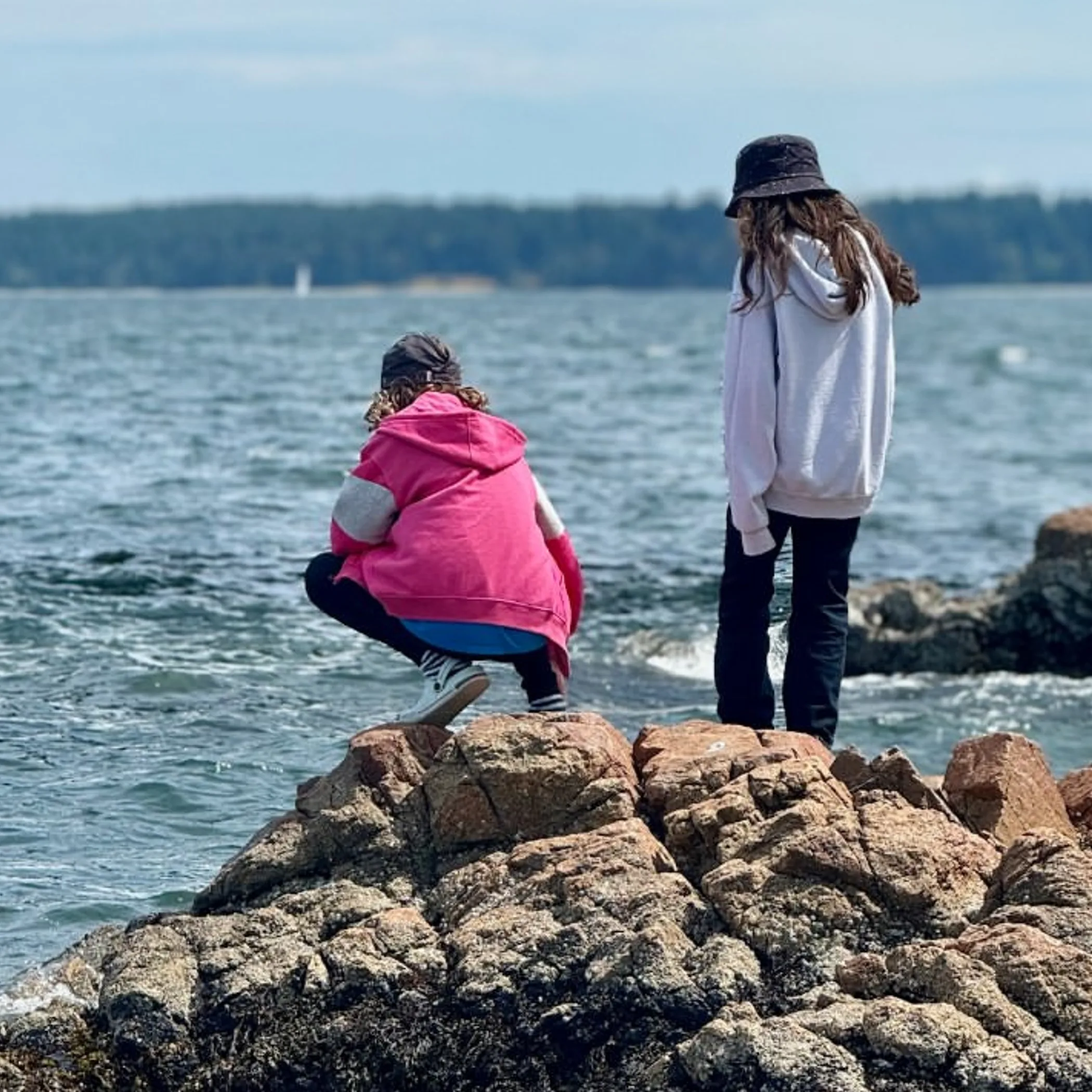
A board and a keen attitude are not enough. You need to know the entry and exit, check the break and see what the experienced ones are doing, and steer clear of anything you cannot handle.
At Flynns Reef and other point or reef breaks there are shallow patches, uneven sets and currents that can make for a tricky exit. Make a habit of taking local advice on hazards before you paddle out.
Know what you can do
For a beginner a patrolled beach with a sandy bottom and small waves is the place to be. Do not surf by yourself at an unknown break or after dark. Have the right equipment and a leg rope in order and give others room.
It is the paddle back in that catches most people out, not the first wave. With the tide and wind changing and the place crowded, a break you know well can seem like something else entirely. If you are not sure of your return to the sand, then watch the sets from there.
Have children in reach
This applies to lagoon edges, rock pools and shallow water alike. To be standing over a phone is not to be supervising; it is being present for all the wrong reasons. Youngsters should be within arm’s length. For older children an adult should be on them at all times, with inflatables and crowds as they are. See they are in bright colours so as to be easily spotted and set a meeting point beforehand.
Expect The Unexpected
Even a modest wave is enough to put a child down, or they may put their foot wrong on a sandbar and be lured by a toy into water that is too deep. And do not think a warm day will spare them from the panic cold water can induce. Make sure children know to stay with an adult, to float and make for help instead of putting in a solo swim back.
Should a child go out of your view, there is no time for a few minutes of quiet searching in the hope they will put in an appearance. Sound the alarm at once and put lifesavers, beach staff and other adults in the picture as to where the child was and what clothes they have on.
Plan Access Parking And Return
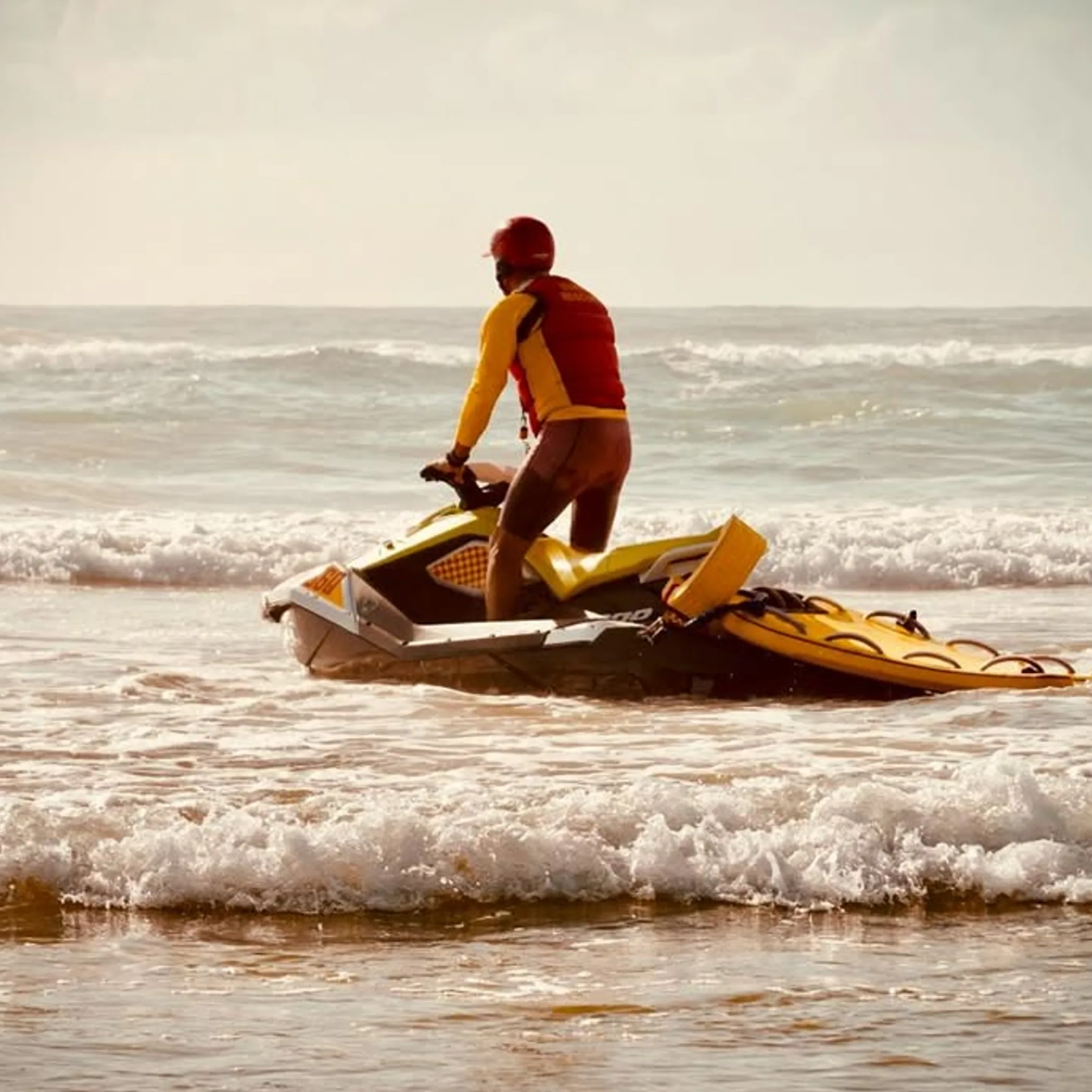
Your safety at the beach extends to the journey there and back. In summer and on public holidays or a warm weekend, put in some extra time; coastal roads are often narrow, you will find parking areas full and after a rain the access tracks can be slick. Stick to marked spaces and do not leave anything of value on show in the car. Emergency access must be left unobstructed. Those using public transport would be wise to check the last service and the route back on foot before making for the beach. There is nothing appealing about a stranded position with no signal when the sun has set.
Match Plans To Conditions
One day is no time to be hopping between five different beaches. Pick a patrolled one that is easy to get to and acquaint yourself with it. A good plan will have a flagged off area for swimming, somewhere sheltered to picnic and a dependable way back.
Beginners without local knowledge or any real skill in the water should not be venturing to remote beaches, rock platforms or long coastal walks. For those with limited mobility, see what the stairs, access surfaces and distance to the parking are like before you make the trip. Verify with locals on the day as to what facilities are open and if there have been any changes.
Respond During An Emergency
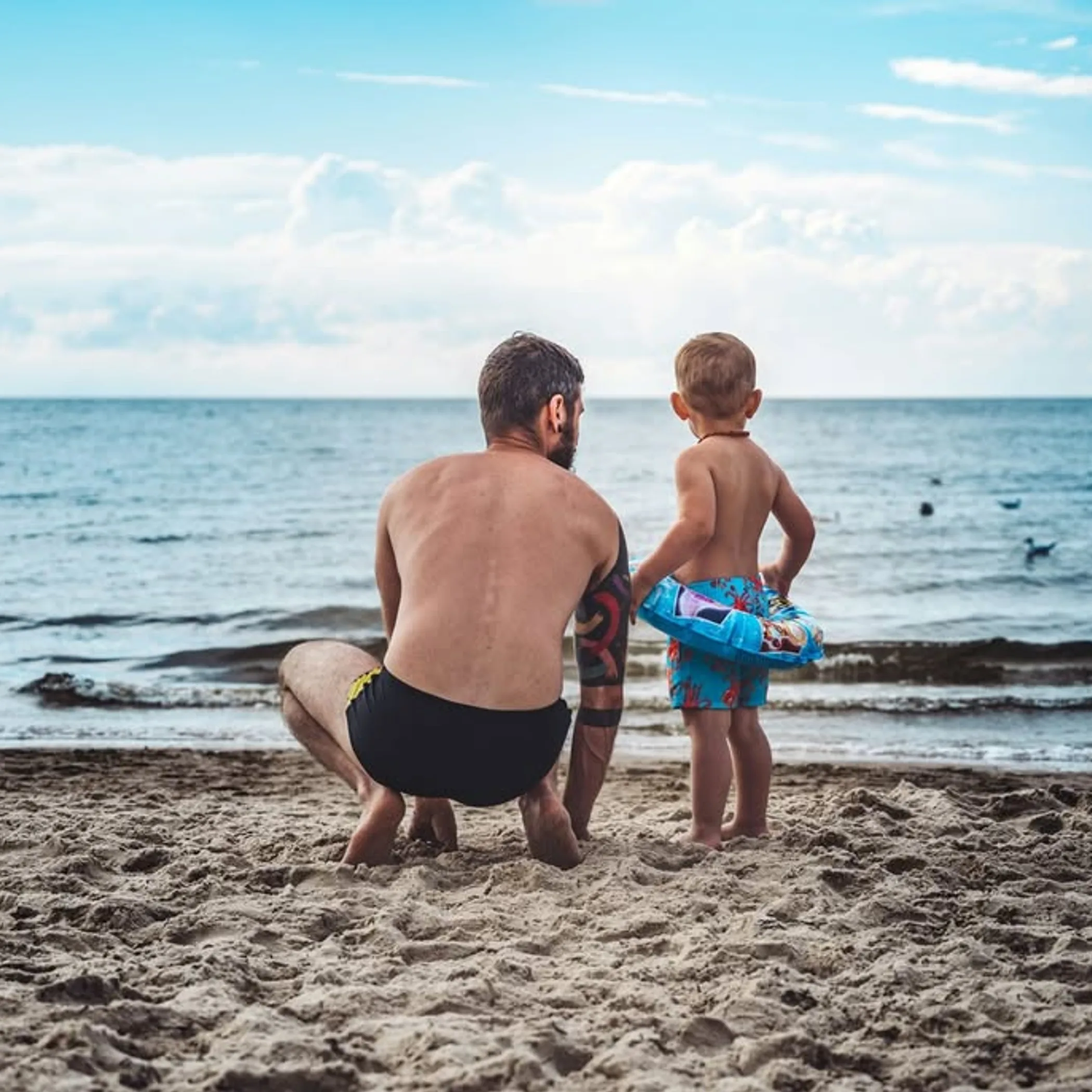
Keep your composure and call Triple Zero (000) or alert a lifesaver, being exact in your information. The name of the beach, how many are involved, the nearest landmark and what is visible should all be relayed to the responders. You are not to put yourself in perilous surf for a rescue you are not trained to make. Have someone stand off from cliffs and unstable ground and, if there is coverage, direct the emergency services from the road.
Use This Emergency Order
- When there is an injury or a person is missing or in grave danger, call 000 and raise the alarm.
- Indicate the hazard or person in question and hold your watch on them.
- You will be given directions by the police, paramedics, an operator or a lifesaver; follow them.
- Do not venture beyond your training to give first aid, but make the area secure.
- Note the precise point of access for any who come, not some moniker for the beach.
A cut needs the grit rinsed out and pressure on the bleeding; if it is running deep or looks contaminated, get medical opinion. Do not underestimate the harm broken glass or shells on a rock platform can do.
Beach Safety Questions Answered
Travellers wanting a swim but not to have their day at the beach turned into something for the case books tend to ask me these things.
Is Calm Water Always Safe?
Not at all. What appears calm may have a rip or strong current in hiding, a deep channel or a drop-off. Before you go in, have a look at the flags and put a question to a lifesaver.
Can Strong Swimmers Use Any Beach?
No. All the ability in the world does not negate the risks of rips, the cold, rocks, tides or the weather. They should still pick a beach fit for the purpose and not be on their own.
What Should I Do In A Rip?
Conserve your energy, float and put up a signal. If it is safe to do so, put in a parallel swim to the beach to clear the worst of it and let the breaking waves bring you back. Do not try to run counter to the current.
Are Lifeguards On Every Victorian Beach?
Far from it. Some of the more out of the way or undeveloped beaches have no patrol. See to it there are red and yellow flags before you swim, otherwise take precautions or go to a patrolled beach.
Is Reef Surfing Suitable For Beginners?
As a rule no. The water is shallow, the surface uneven and getting out can be hard work with the currents. Leave the reef and learn on a sandy bottom where the waves are small and you are under supervision.
Finish With A Safer Day
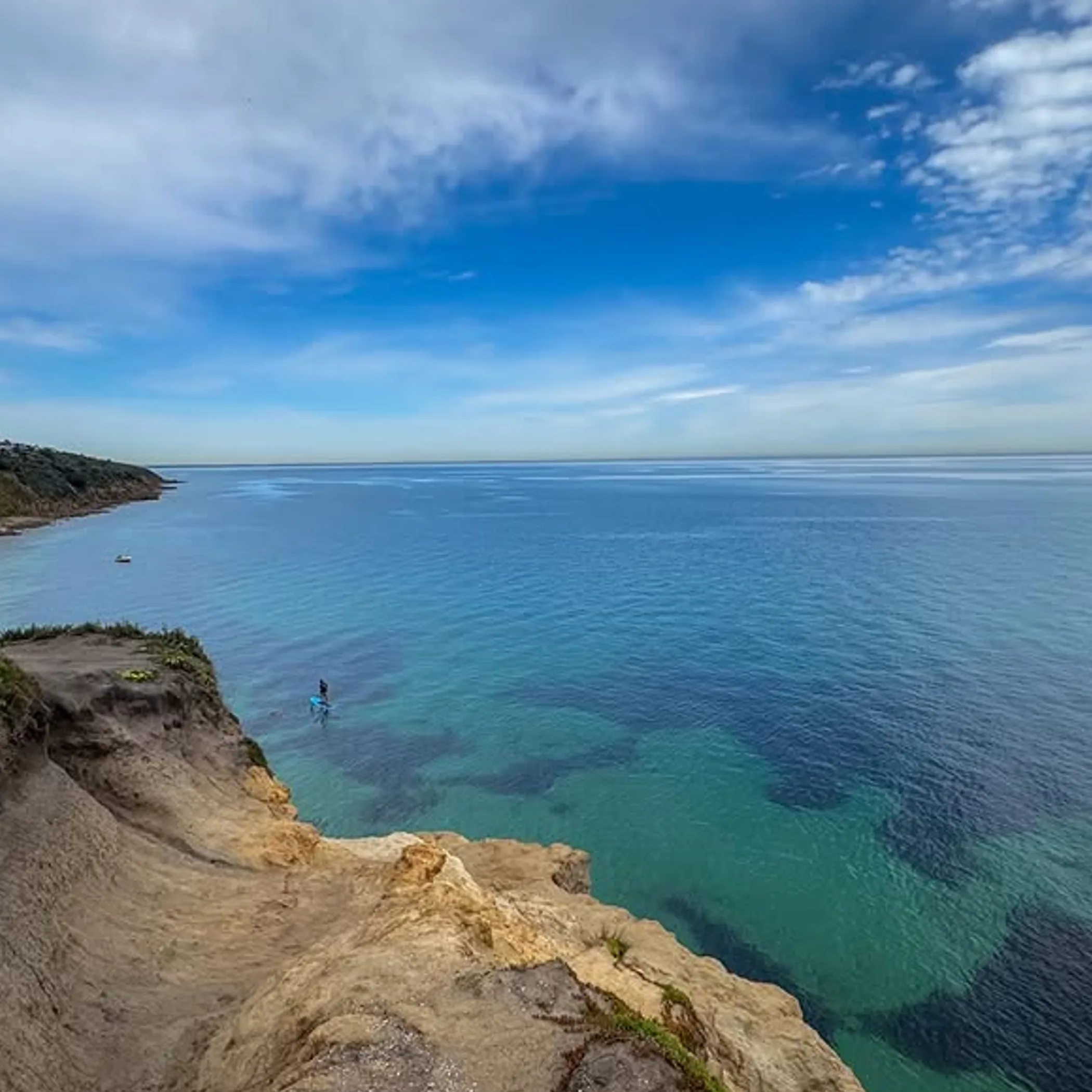
You will not find the safest day on Victoria’s coast to be the most adventurous or wild. It is the day you have done your homework on conditions, swum between the flags and heeded your limits, leaving before the weather or tiredness decides for you.
Pay attention and the coast will reward you. Get the forecast, have some water, mind the rips and keep the children near. When in doubt, put it to the locals. A little preparation spares you the drama of a phone call from a windswept car park and leaves you to your surfing and swimming.