

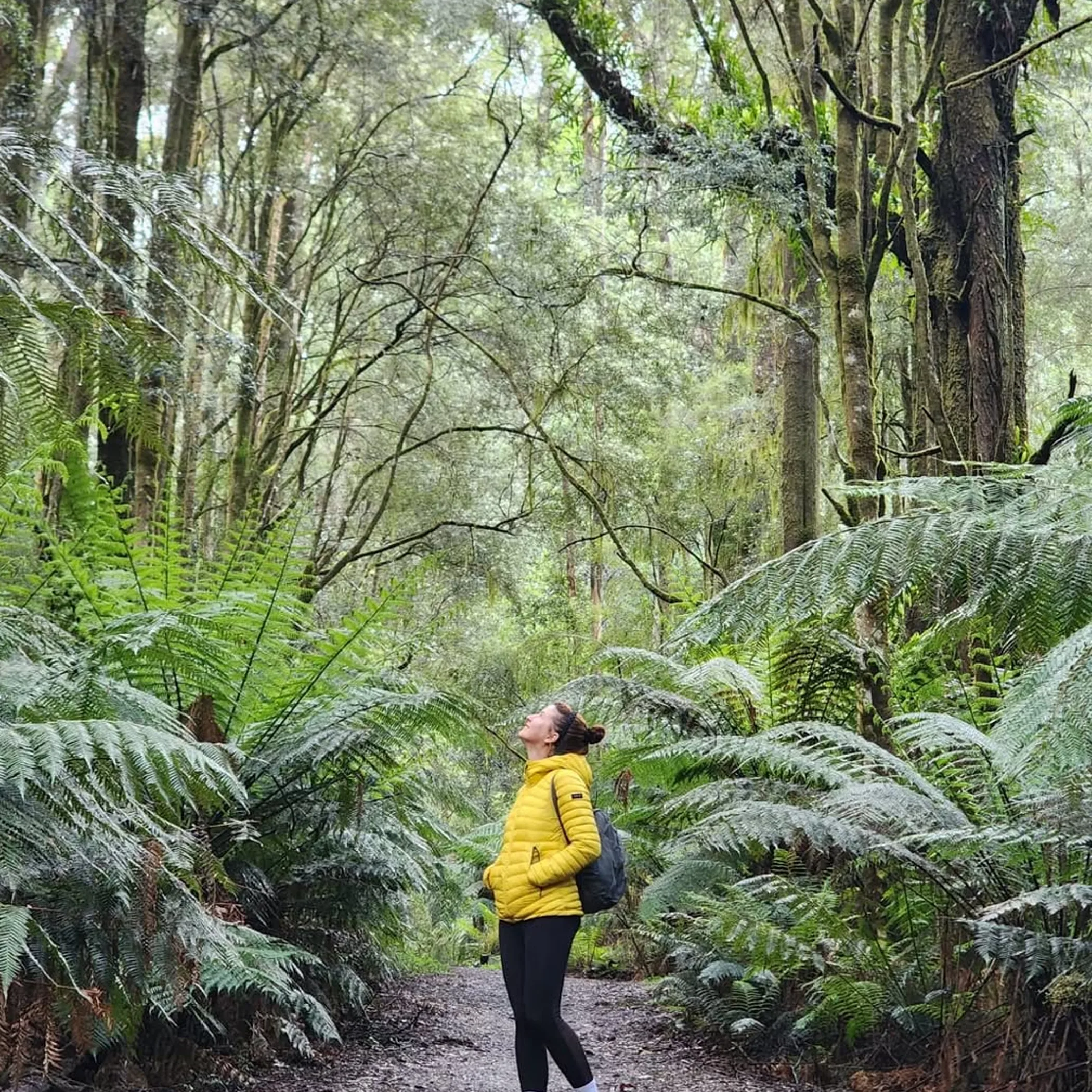
There is a basic tenet to any Great Otway wildlife spotting: slow your pace. The area has a way of rewarding those who are there at dawn or dusk, who can be still on a trail and understand that one cannot put a schedule on wildlife. You will find koalas, echidnas, kangaroos, wallabies, platypuses, native birds and glow worms here if you are lucky, but nothing is a given.
My name is Connor Birchall and I have no patience for travel advice that does not stand up to the elements, a bit of mud on the track or the odd mozzie. What follows is a guide to the Great Otway National Park; it tells you where and when to go, what to allow for and how to go about things without making a zoo of the bush, with Otway routes for proper exploration.
The Right Time To Be Out
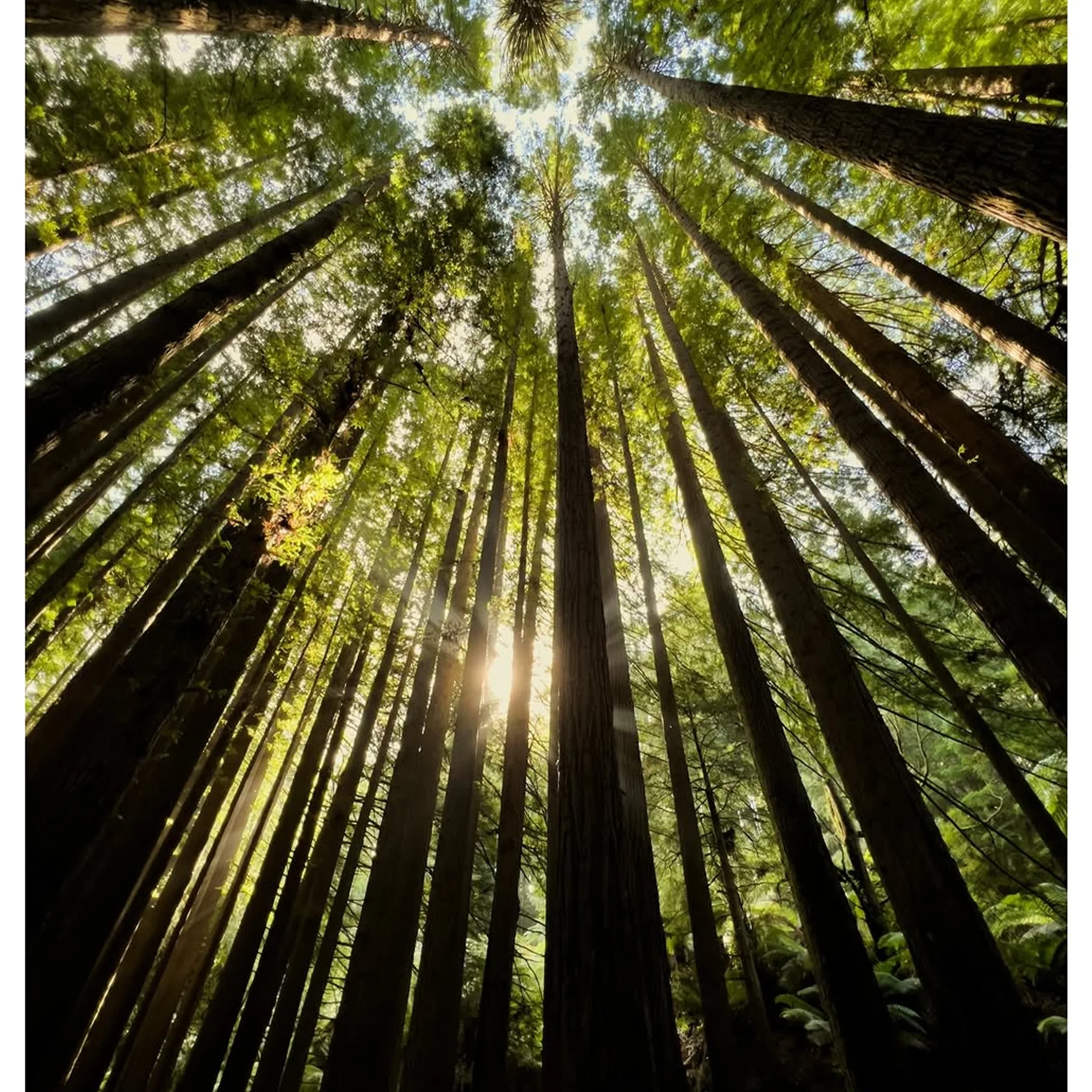
You are most likely to come across wildlife in the two hours after sunrise or the last two before sunset. It is cooler and more sedate then, whereas at midday you might be left looking at an empty track and thinking every animal has called it smoko.
Rain can be an asset for viewing in the rainforest as it puts animals in a more active mood, provided it is not so heavy as to make the roads and tracks unappealing. Do check conditions first off, should there have been any storms, strong winds or bushfire warnings.
An Early Start Has Its Advantages
Forests edges, open grass by the rainforest and creek crossings are good places to be in the morning. You may see some feeding kangaroos or wallabies and the odd bird in the canopy. If it is a still morning, use your ears as much as your eyes.
Dusk is fine too, for nocturnal creatures and wallabies. Take a torch with a red filter and point the beam low; do not put it in an animal’s face. A head torch is handy yet a white light of any brightness will have the creature vanish in short order.
Seasonal Considerations
In summer the days are longer but so are the queues on the road and the heat, with fire closures a possibility. Autumn is better for walking, winter makes the forest damp and quiet in the best sense, and spring will see new growth and bird life if the rain has not made a comedy routine of the tracks.
Cape Otway can change its mind on the weather in a hurry. Put on a warm top and good boots and take water and a waterproof even if it is sunny to start with; a few kilometres inland the rainforest will be cold and wet while the coast seems mild.
Koalas At Kennett River
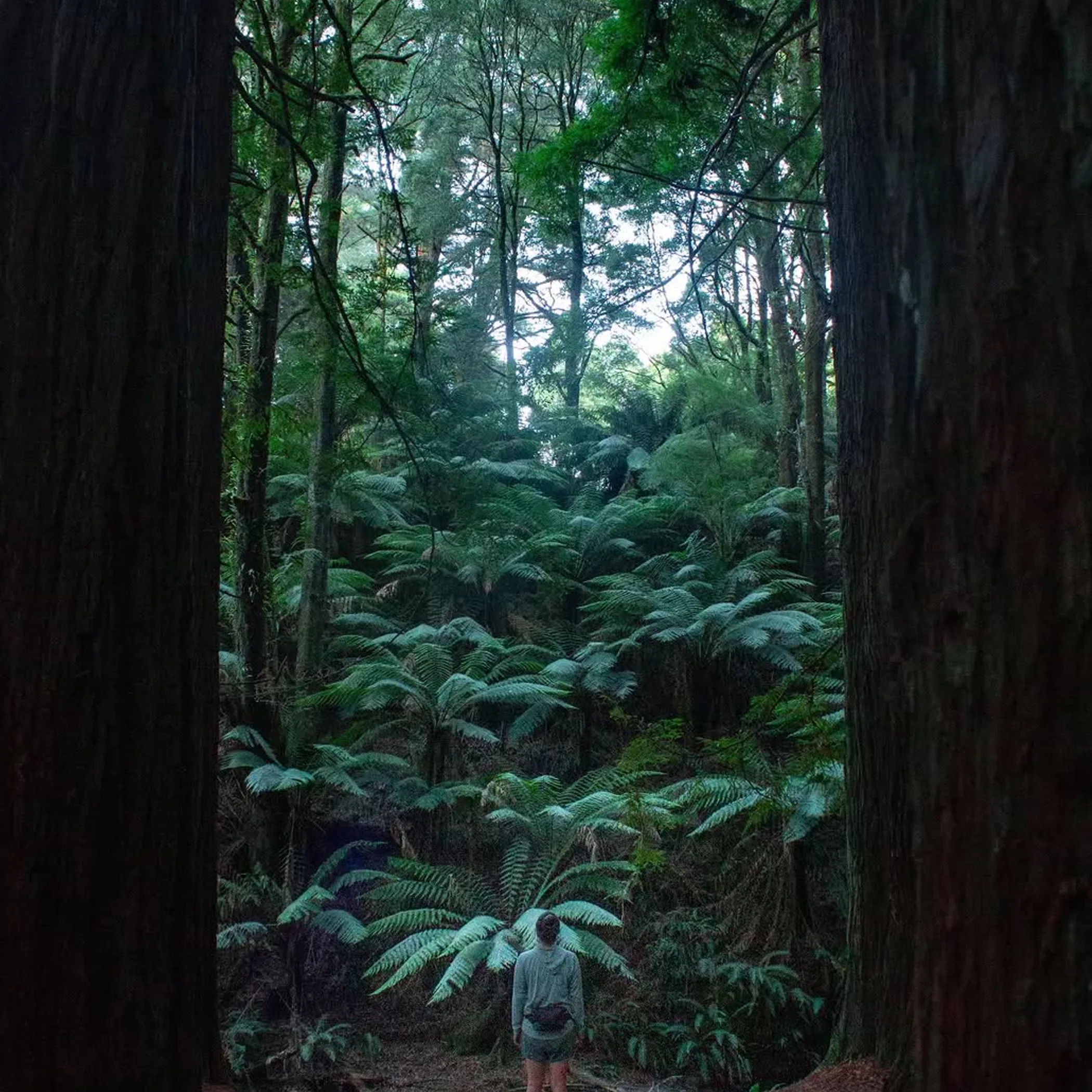
For a koala the Kennett River is perhaps the most famous spot in the Great Otways, along the Great Ocean Road and the forest roads that run off it. Make sure to look up in the eucalyptus and not just at the shrubs by the side of the road; they will be perched high in a branch like a grey bundle.
Grey River Road is worth a patient eye though access is not always easy. Use the designated parking and do not put yourself in harm’s way on a narrow road because you have seen a koala.
A Canopy Search
Binoculars are worth having so you do not have to squint at everything. First for the signs of a koala: a bare branch, some droppings or leaves out of place. Then work your way up to the forks and thick crowns. They can be motionless for ages. Do not expect a sleeping koala to put on a show for the camera, and from a respectful distance let them be.
On To Cape Otway
Head that way for more of the forest and you will see your share of birds and wallabies. The Lightstation at Cape Otway has the coastal views and the walking, but do not count on the wildlife.
The Great Ocean Road is no quick trip through the suburbs. Factor in time for the odd stop, for traffic and for the wildlife itself, and you will have a better idea of what can be done in a day.
Lake Elizabeth For Platypuses
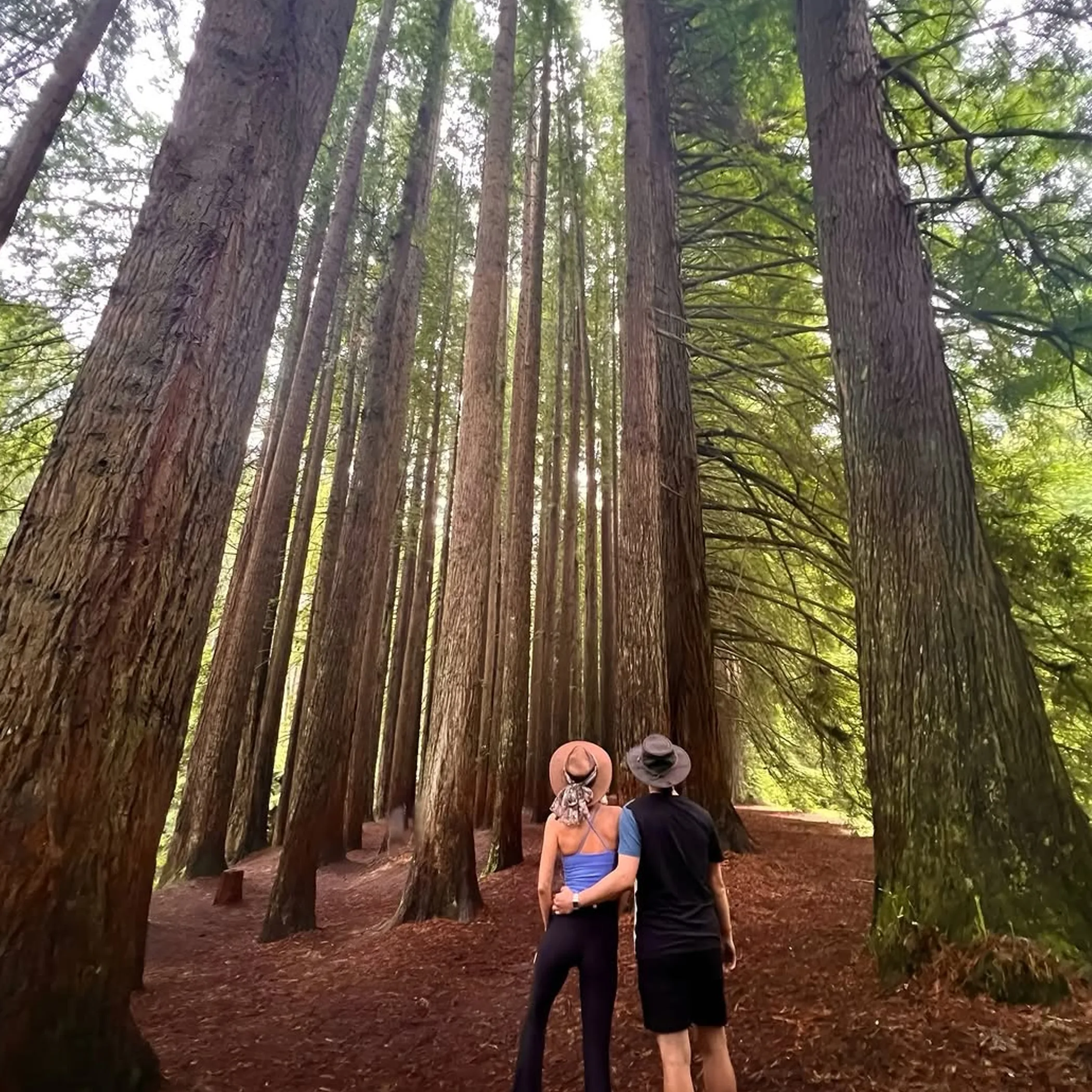
If you want to see a platypus at Lake Elizabeth, make of the lake edge a place for quiet observation. There is no scheduled show. A platypus will be at its most active of an evening or in the early morning and is gone under the water before you can put “Was that one?” behind you.
To get to Lake Elizabeth from Forrest there is a walk through the forest. Do not be fooled by the short distance on paper; between the mud, wet weather and the odd fallen branch you will want to put in more time than a straight return would have you believe. Make sure your footwear is up to it.
Stand Still And Scan Slowly
Find a spot close to the water where you are safe and keep an eye out for a dark shape or some ripples and bubbles on the surface, or perhaps a small wake. There is no need to congregate on the shore. The noise of a few people about their business is enough to put off any chance of a sighting.
And do not be tempted to throw food in, be rash at the edge or have recourse to a flash. A platypus has every right to be wary of a human with a phone.
Plan For Darker Conditions
If you are going at dawn or dusk, have a torch you can rely on, some batteries and a phone with offline maps at hand. Unless you know the route and have the gear for it, be back before things turn unsafe. One can be too preoccupied with the water to notice the uneven ground and roots.
Families may well make of Lake Elizabeth what they like but a certain amount of realism is called for in planning the route, not wishful thinking. It is not the place for those of limited mobility, small children who cannot be quiet or anyone without the right shoes after a rain.
Glow Worms In The Rainforest
Melba Gully, with its rainforest ambience, is the spot for glow-worm viewing near Lavers Hill and the designated walking area is the way to go. It is best done once it is properly dark. Do not make the mistake of thinking the Maits Rest Rainforest Walk is a sure thing for glow worms; that is a daytime affair.
They are easily put out by light and noise so if you have a red-filter use it and direct it to the ground. Do not handle the vegetation. Leave them be and those following you will be the better for it.
Allow For Wet Ground
Even when the rain has passed the tracks in the rainforest will be damp. You will come across boardwalks and steps as well as slick surfaces and roots, so wear something with a firm grip. An umbrella is apt to tangle in the branches and have you feeling like a sail out of control; a waterproof jacket is of more service.
Before you travel check on access as storms or fire danger can see to it that some routes are affected. Do not go past a barrier on a closed track no matter how inviting it seems.
Explore Trails For More Species
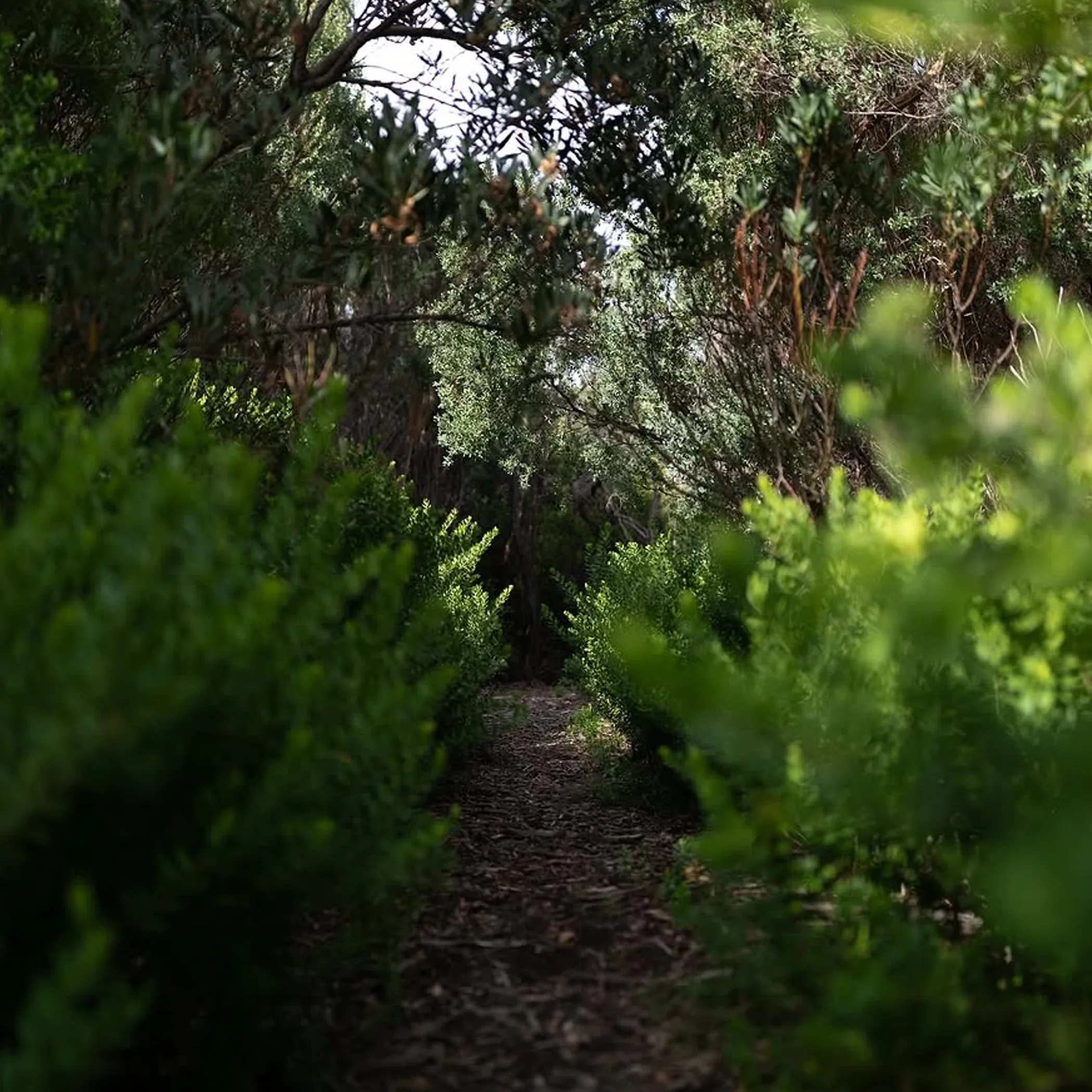
The Great Otway rainforest puts on a good show of wildlife on the trails at Triplet Falls, Maits Rest and around Forrest. Wallabies are to be found at the edges of the forest, kangaroos in the open and native birds making their way from understorey to canopy. You will hear an eastern whipbird more often than you will see one, though a king parrot might put in an appearance with a splash of colour. An echidna could be by the side of the track where there is leaf litter to feed on but you will miss it in a hurry.
Use This Practical Route Guide
What follows is a table to set your expectations and match the conditions and time with the location. Access and distances are not fixed so you should verify the track status prior to leaving.
| Location | Best Window | What To Look For | Practical Note |
|---|---|---|---|
| Kennett River | Early morning or late afternoon | Koalas, parrots and roadside forest birds | Use safe stopping areas and watch the canopy |
| Grey River Road | Morning or quiet afternoon | Koalas, wallabies and woodland birds | Varying road conditions, drive with care |
| Lake Elizabeth | Dawn or dusk | Platypuses and waterbirds | Be prepared to put in several hours for the walk and to wait |
| Melba Gully | After dark | Glow worms and rainforest insects | Designated route only, low light |
| Maits Rest Rainforest Walk | Morning or after rain | Rainforest birds, ferns and small animals | The boardwalks can be slippery |
| Triplet Falls | Morning to mid-afternoon | Forest birds, wallabies and the like | Uneven ground and stairs will take their time |
With 103,000 hectares in the Great Otway National Park you are not going to see it all in one trip. Parks Victoria have the latest on closures and official alerts for the park so look there before you set out.
Improve Your Wildlife Photography
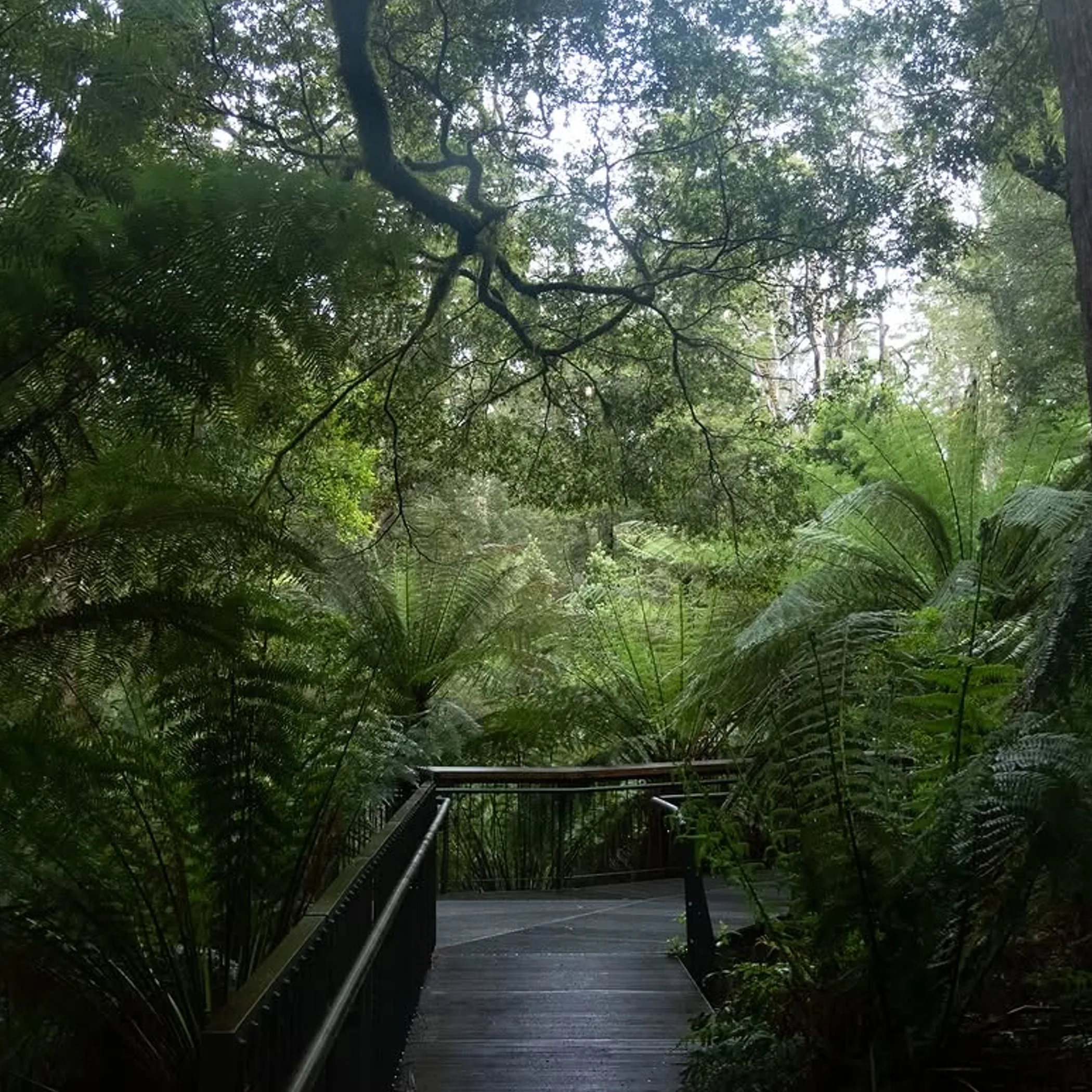
In the Great Otway National Park it is a question of distance and patience, and of the animal deciding on an unflattering angle. A long lens or the zoom on your phone is of assistance but you will get more from good behaviour than you will from having the costliest equipment.
For a better composition, make use of natural light and put the flash away; do not trample vegetation. You can rest your camera on a tree for stability provided you are not going to harm the bark or upset the habitat. Remain as still as you can and allow the animal to dictate the shot.
Expect Reality, Not A Brochure
The expectation is to put in an afternoon and have koala, platypus and glow worms all present for the taking. In reality one might spot a koala right off the bat, be treated to twenty minutes of an eastern whipbird and not so much as a glimpse of a platypus. Do not think of it as a wasted trip, it is simply how wildlife watching goes.
Rushing from place to place is what catches most people out. There is more to be had with a quiet half hour at a creek than in a dash to six car parks. Have some water, snacks and a warm layer on hand. If you are in a position to boil the billy while you wait, you are well prepared.
A One-Day Otways Itinerary
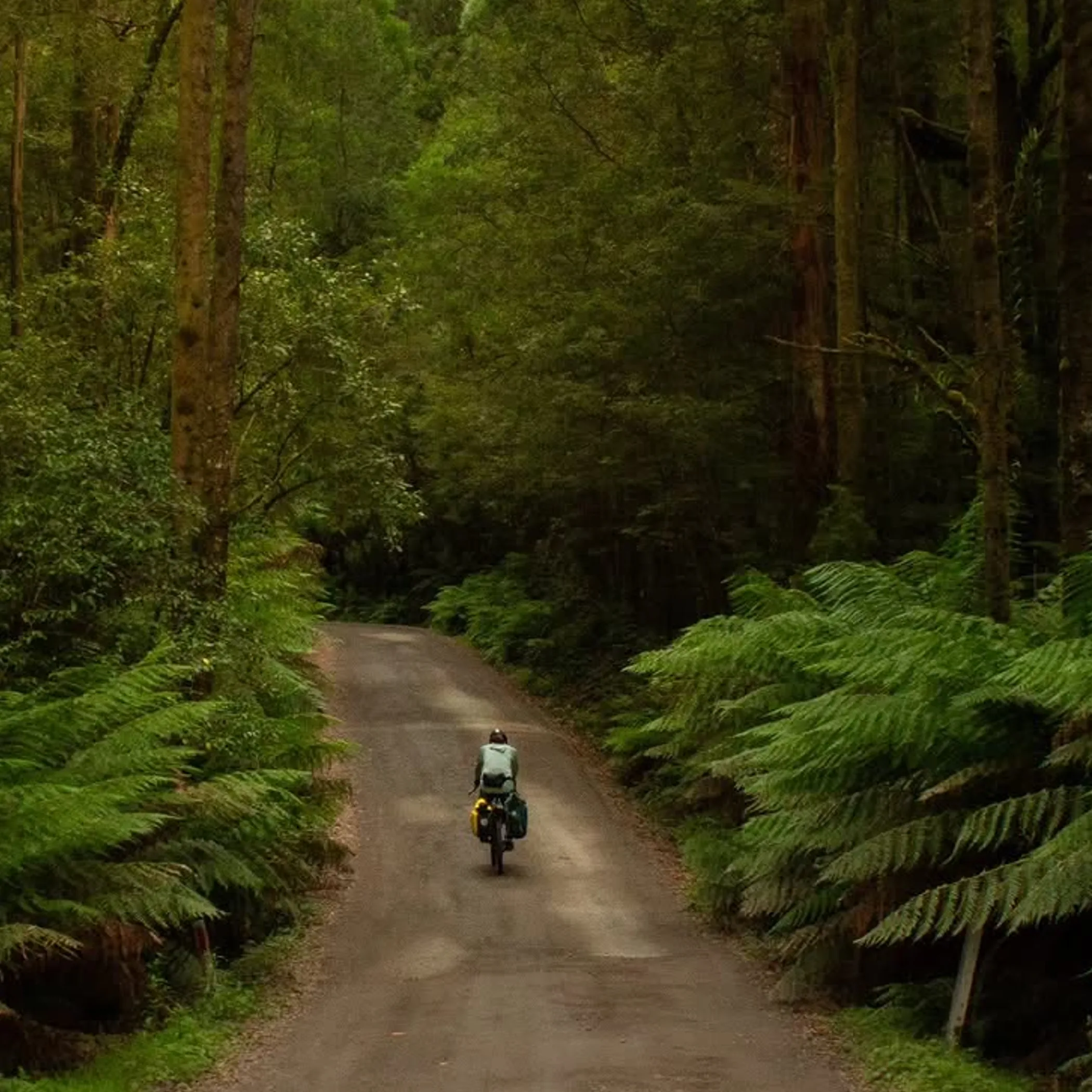
When time is limited to a day, do not try to cover the whole of the Great Ocean Road, go where your route will take you. An early start at Kennett River for koalas before heading to Cape Otway is a good plan, then pick Lake Elizabeth or a rainforest walk rather than putting both in a schedule that is too tight.
Those put up near Forrest will want to make for Lake Elizabeth, Triplet Falls or the Maits Rest Rainforest Walk. For the traveller making his way along the coast, Grey River Road, Cape Otway and Kennett River are more sensible choices. Any proper exploration of the Otways requires you to leave some leeway for the weather and the odd animal that will cross the road when it feels like it.
Get The Basics In Order
- Before you set off, look over any park alerts and see what the road conditions and closures are.
- Have food and water, a phone with charge, offline maps and something for the rain.
- Tyres and fuel should be in order and you should not be counting on mobile reception; park in safe areas.
- Factor in some extra time for narrow forest roads and weekends.
- If you do not know the area, have a return route in mind before dusk.
A private car is by far the simplest means of transport but there are tours run from Melbourne and towns on the Great Ocean Road for those who would rather not drive. As to cost of a tour, accommodation and park fees, these are subject to the season and operator, so put aside an old screenshot from a travel group and verify the price before you book.
Wildlife And Personal Safety
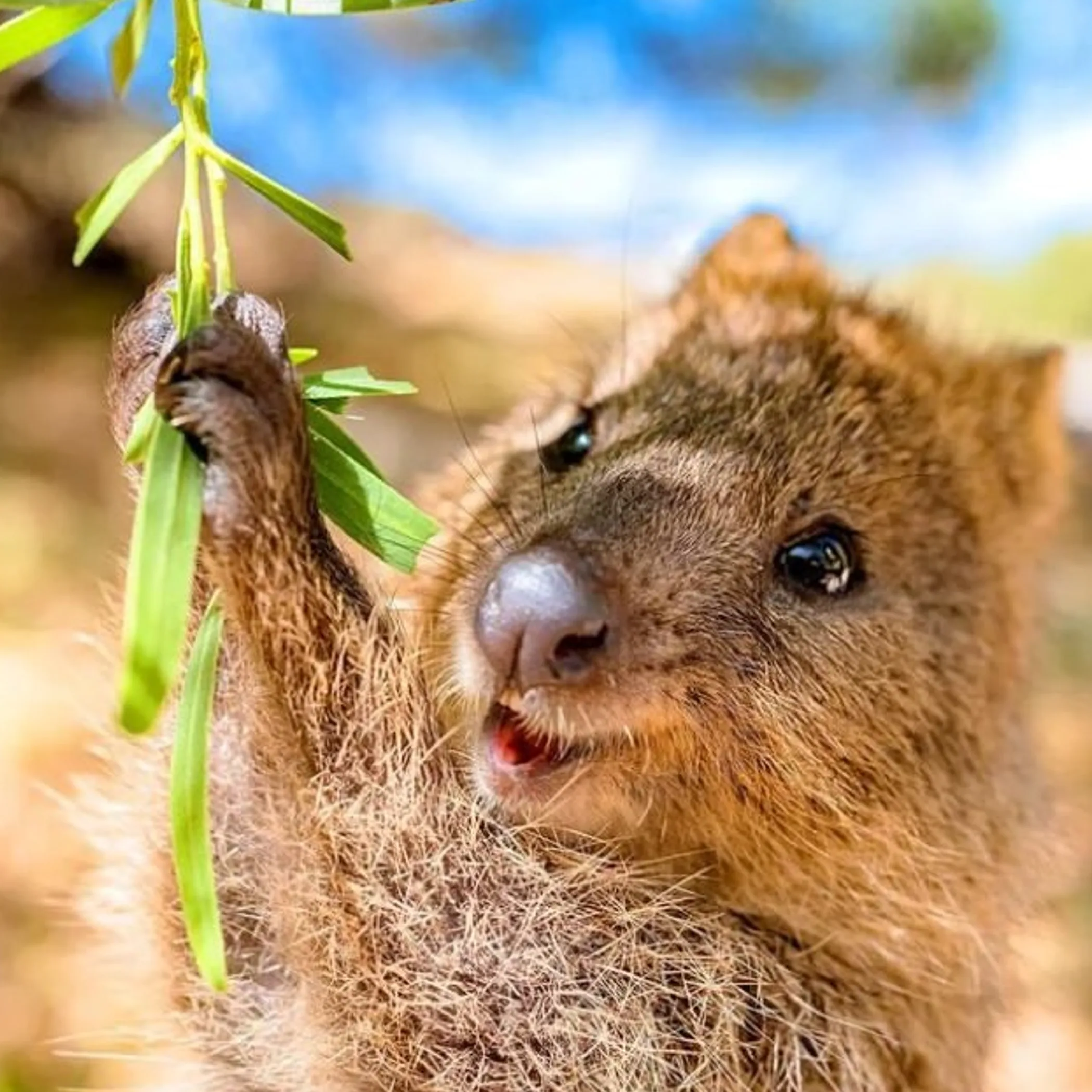
Common sense and keeping your distance are key. Do not feed or pursue an animal for a photo, nor block the road to encircle a koala at rest. Put away your food and rubbish and keep dogs off limits.
Be mindful of traffic, changing weather, falling branches, ticks and snakes. Stick to the marked track and let someone know where you are going. There is no point in swimming in a waterway you do not know and a quiet forest road is not necessarily safe for walking.
Closures And Conditions
“Why is the national park closed?” is a question I am asked. More often than not the closure is of a facility, campsite or certain road, not the park in its entirety. Whether it be for public safety or storm damage, fallen trees or fire danger, restrictions are put in place for a reason. They are not to be taken as suggestions, they are there to protect staff and visitors and to stave off what could turn into a rescue situation. See the official notice for the day, particularly in the summer or in the wake of bad weather.
Some FAQs
I get these from travellers making plans for a visit to the Great Otway National Park. While the answers are straightforward, you will do better to give yourself the time to watch in silence.
Great Ocean Road Wildlife
Kennett River draws the crowds for koalas but you can also have luck on Grey River Road or in the forests of Cape Otway. Maits Rest, the tracks around Forrest and Triplet Falls are good for rainforest species. Be careful behind the wheel, animals have a way of materialising on the road.
What is in the Park?
King parrots, eastern whipbirds and other native birds are here as well as wallabies, kangaroos, echidnas, platypuses and koalas. Noise, the season and habitat will determine what you see. A midday walk may be busy and yield little but the forest is not devoid of life.
Koalas in the Great Otways?
They are there, and Kennett River and the Cape Otway area are where you will find them. Make use of binoculars and scan the eucalyptus canopies. Under no circumstances should you call to or make contact with a koala.
Melba Gully for the Novice?
You can if damp rainforest tracks after dark are no problem. Take some low-level lighting and good shoes and stick with the group. Those who have an aversion to uneven ground or the dark would be better off with a daytime walk.
Lake Elizabeth
This is for the visitor in a position to wait by the water and handle a bit of mud and unevenness on the forest walk. Someone with restricted mobility or without the right footwear in wet weather may find it less to their liking. Check access first.
Better Expectations
There is an appeal in the fact the Great Otways are not a theme park for wildlife. You will remember a king parrot’s green or a platypus at dusk more than a crammed itinerary. So plan and keep back and be content with some uncertainty.