

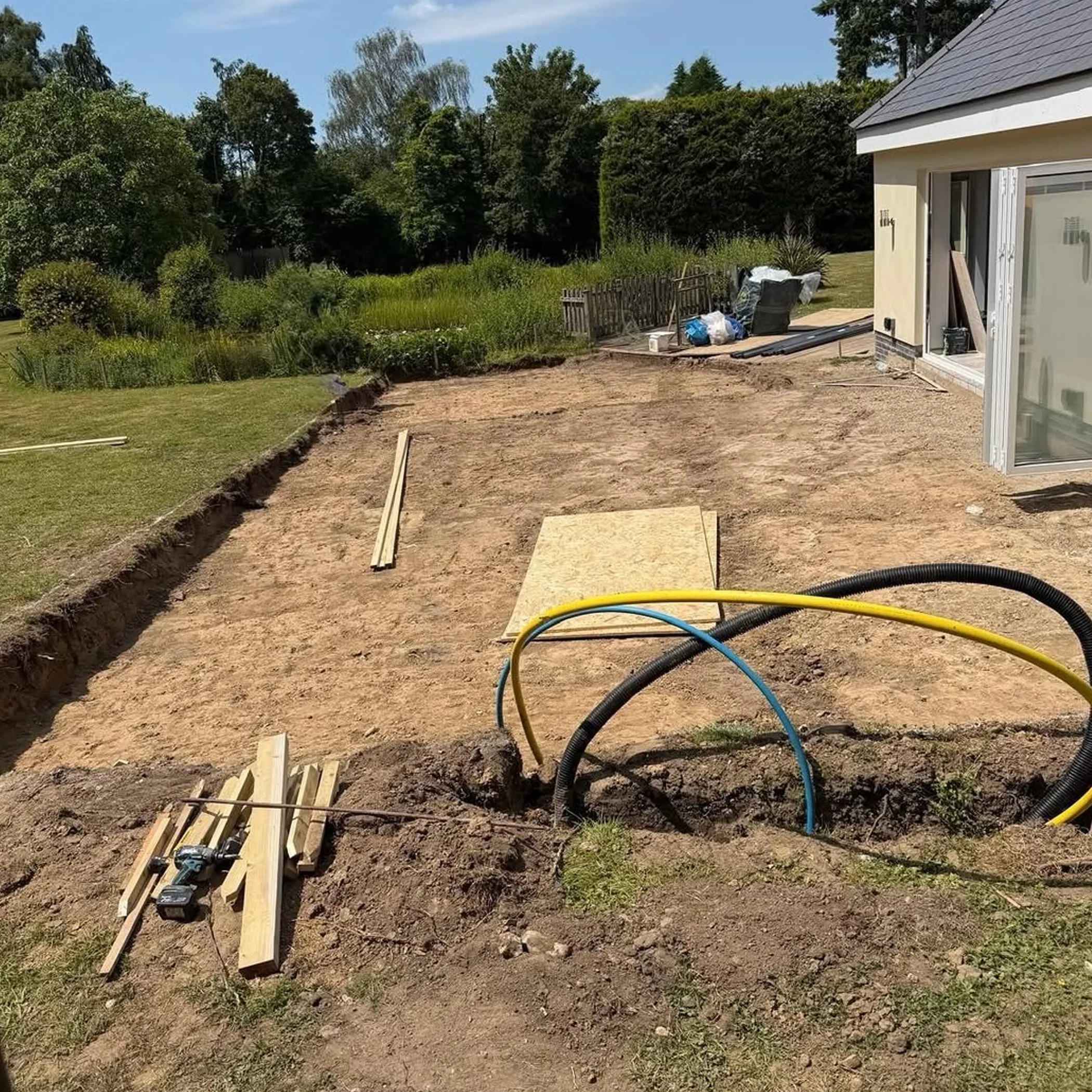
In this guide we put to one side the theory and show you how things like wind, sunlight, dew point, rainfall and humidity can alter the outcome of concrete preparation. Put simply, one should only get to work on a slab when it is dry, stable and clean for the system at hand and there is little chance of inclement weather to interfere with the work or its cure.
Hot spells will hasten evaporation and erode dust control, giving less time to work. Rain is a source of contamination and added moisture that puts a hold on coatings; cold will have the same effect on drying and curing. These factors also inform the optimal timing for concrete stripping. Connor Birchall has compiled some practical checks for any site in Australia, from Perth to the Sunshine Coast, the Top End and the Red Centre.
How Weather Changes Preparation Results
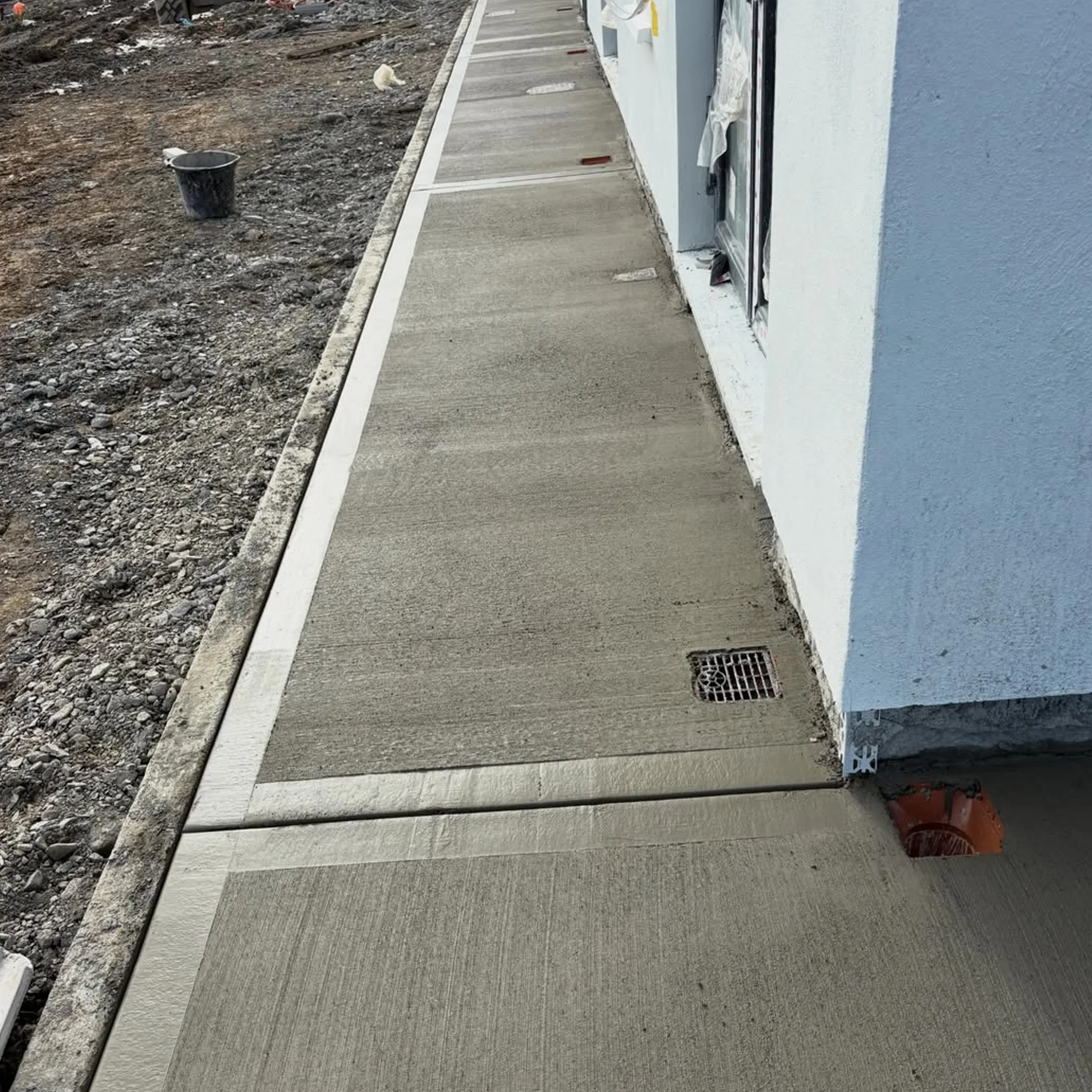
Before the grinder or vacuum is even brought out, the weather is already having an impact on the foundation you are laying for an adhesive, sealer, repair mortar or coating. A slab might appear dry but still have sufficient moisture in it to lead to debonding, patchy curing or blistering.
What you need to watch are the variables: the temperature, the wind, the sun, the dew point and how much moisture is in the concrete. These will determine bond strength, the surface profile and how well you can suppress dust.
Surface Conditions Are Key
Do not trust the weather app alone, measure the work area. The air may be fine but a slab in the open sun will be far hotter than the forecast indicates, whereas one in the shade can stay damp.
Then there is the matter of the surface itself. Mechanical means of preparation will take off laitance, open up the pores and put the aggregate on show for better adhesion, yet they can also unmask weak concrete or hidden moisture. Some manufacturers will be very specific as to what they want in terms of a surface profile or the gap between the slab and dew point.
Making Use Of Forecasts
The Bureau of Meteorology is a good planning aid for scheduling labour and equipment. But look past the morning reading. It is the probability of rain, the evening dew and overnight humidity that will tell if a job is done right.
You will find a summer in Cairns is nothing like a winter morning in Adelaide. And while the Bureau’s climate data and seasonal information is useful for the bigger picture, do not discount on-site readings; the substrate and the air can be at odds.
Dealing With Hot Weather
When it is hot you are running against the clock with evaporation. The top of the slab can dry in no time while moisture works its way up from below, a problem that will become apparent after you have put down a sealer.
Equipment and men have to put in more effort in the summer. Get a shaded spot, test for moisture and start at the right hour and it will prevent a day of rework.
Time Is Short In The Heat
Wet cleaning and water-based products will evaporate faster. Primers and coatings can go tacky before you have had a chance to spread them. Do not make an assessment by the look of it in the bucket, consult the product data sheet.
Uneven results are to be expected in direct sun. You could have one part of the floor cool under an awning or some plant and another section hot and dry, with all the difference in absorption and colour that entails.
Get An Early Start
An early start can mean lower temperatures and easier conditions, though condensation is a risk in the morning. Verify the slab is not damp by checking the dew point prior to any mechanical work or coating.
Keep materials out of the sun and ventilate without sending dust over what is already finished. If the slab is clammy to the touch it is not ready, regardless of what the calendar has to say about the season. Make sure water for dust suppression does not leave it saturated for the next system.
Wet Weather Requires Patience

There is no optimism about preparing concrete in the wet. High humidity on its own will slow evaporation and rain will put contaminants in the pores and add to the surface water.
They are not a good combination in an exposed area. You can put up a temporary cover but it will not dry the slab for you. Underneath they can hold in humid air and make of the work zone an exorbitant greenhouse.
Rain is not a cosmetic matter
Once it has rained, one should get rid of any standing water and have a look for mud, salts, dirt, laitance or what have you. Do not be under the impression that a pressure wash has done the surface any favours; in fact cleaning will only put the moisture content in the slab up and displace contaminants. Let the surface dry to the point where the coating system and method of preparation can be put in place. How long that takes is a function of the slab thickness, porosity, ventilation and temperature, as well as the intensity of the rain and if there is moisture coming from below.
Humidity will impede progress
One can easily put too little stock in the effect humidity has on concrete. Water does not evaporate with any speed in humid air. To all appearances a slab may be fine but in reality it is no good for a sealer, resin or an adhesive of the moisture sensitive type.
Then there is condensation. Should the concrete get near the dew point water will appear on top of it, marring the bond and putting down a film hard to see in normal light. Take readings of the slab and air temperature and relative humidity as the system dictates.
The risks of wind and sun
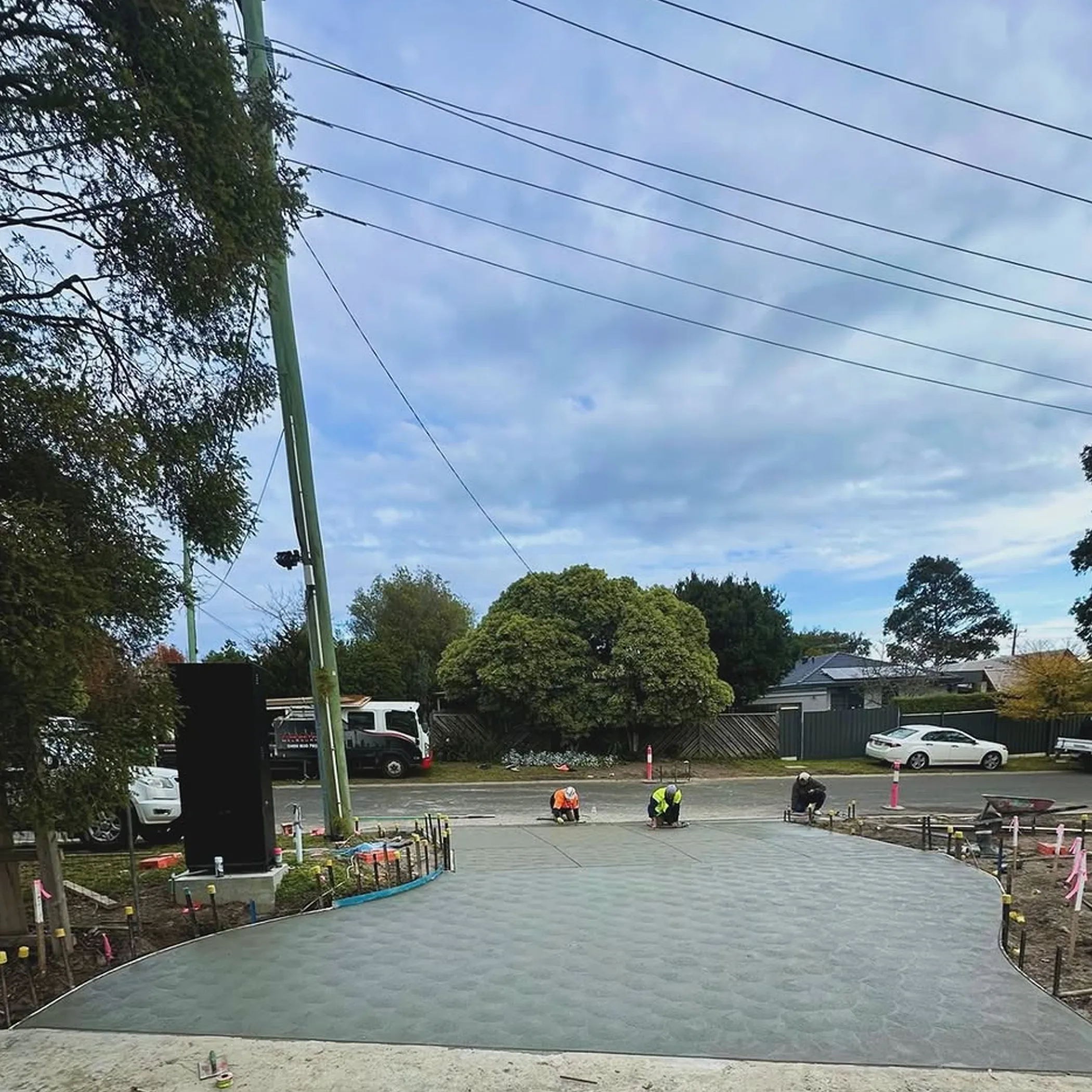
Wind is useful in drying a damp slab yet it will also cause uneven drying and put dust in places it should not be. An open shed or building that is only partly enclosed will have different moisture levels across the work zone if there is a strong breeze over one edge.
With the heat of the sun and the evaporation from the wind the surface can seem ready when the concrete at depth has not yet stabilised. That is how hasty work gets derailed.
Dust and airflow need to be controlled
Mechanical equipment calls for proper extraction and dust suppression that does not amount to flooding the slab. Put some management on doors and openings if the wind is blowing dust in the direction of occupied space, a fresh coat or an adjacent property.
Curing compounds and anything applied by spray are at the mercy of the wind as well. The product might drift or not put down the right kind of film. Make sure to consult the manufacturer as to what is allowable in terms of wind, humidity and temperature.
Take note of the dew point
It is more than some jargon for the toolbox wall. When conditions alter and the concrete is in the vicinity of the dew point expect some condensation, particularly in the shade or after a rain in the evening.
When the job moves on to another phase, check the conditions again. A drop in temperature in the late afternoon could mean a slab was all right for grinding at midday but not for coating. Weather and concrete curing are part and parcel of the whole system.
Australia’s seasons
They are not uniform from state to state. Hobart in winter will have cold substrates and slow drying whereas Darwin is in the dry season and access is more dependable. Up north a cyclone warning or wet season rains from November to April will have site plans altered in short order.
Local exposure is as important as any seasonal plan. On any given day a warehouse on the Stuart Highway, a basement and a slab by the coast will present different preparation conditions.
| Condition | Common risk in Australia | What to do |
|---|---|---|
| Hot summer | Overheating, fast evaporation and a short time to work | Get an early start and put up some shade. Observe the product limits and keep an eye on the slab temperature. |
| Coastal and humid | Condensation and a slow dry close to the dew point | Give it more time to dry, test for moisture and have better control of the ventilation. |
| Wet season | Delays, contamination and standing water | Inspect once the rain is over and put off exposed prep if you have to. |
| Cold morning in winter | Dampness in the shade and a slow cure | Let the slab warm up and dry, do not go by the air temperature. |
| Inland winds | Uneven evaporation and dust | Barriers and extraction are called for. |
There is no one temperature for concrete prep in this country that will suit every task or product. Let the Australian Standards, site measurements and the data sheets on the project be your guide. Generic ranges are for planning purposes only.
Before getting to work, assess the concrete
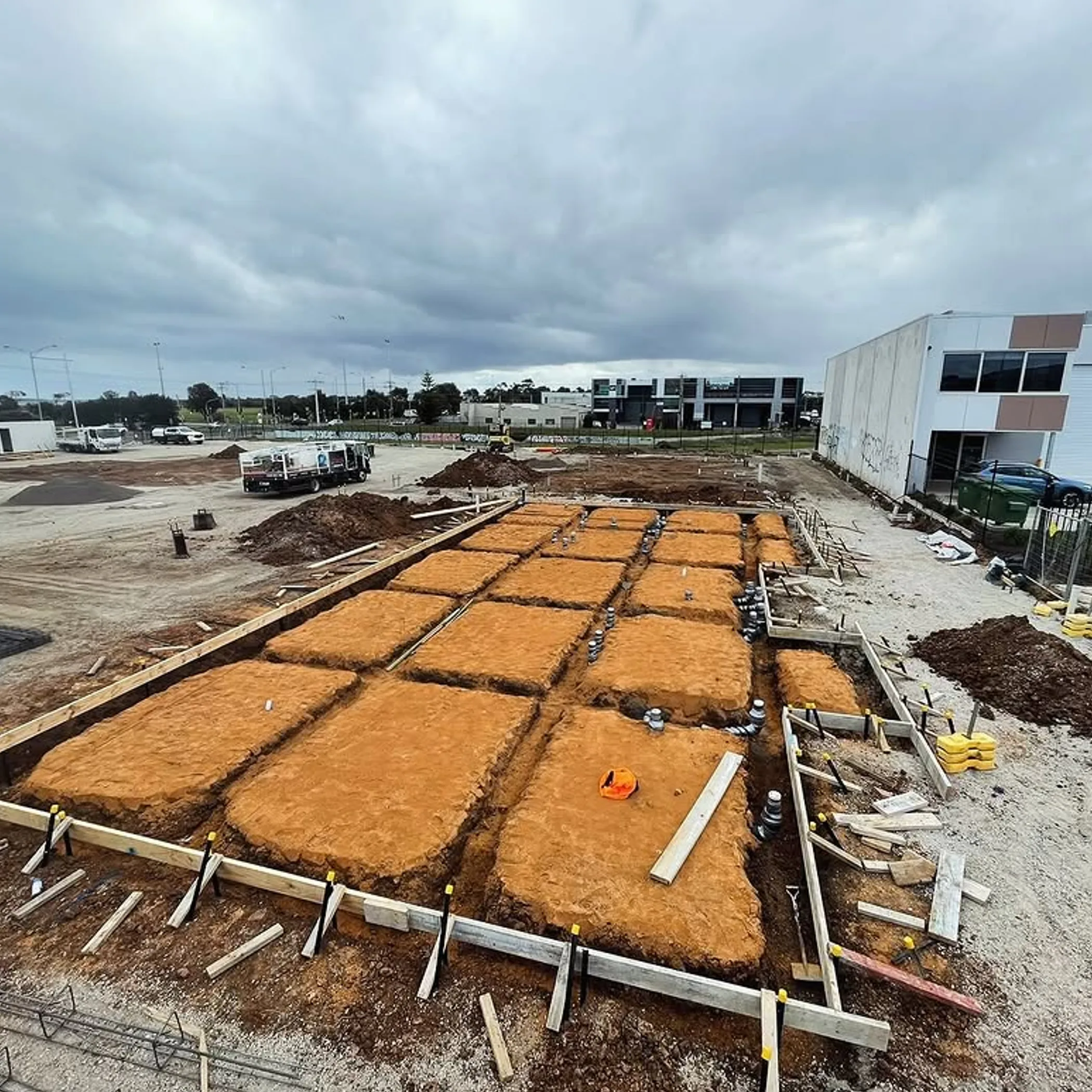
Suitability for the finishing system is what is needed, not a slab that is pleasing to the eye. It is a question of the forecast, the temperature, moisture and condition of the surface. Most will tell you the surface is dry by feel. A sunny spot does not tell the story of the entire floor and a finger is no substitute for a meter.
A checklist for the site
- See if there have been any leaks, condensation overnight or recent rain.
- Oil, curing compounds, laitance and salts are to be looked for as well as any weak concrete or dust.
- Take readings of the air and slab temperature, dew point and humidity when called for.
- Moisture testing is to be done in keeping with the dictates of the coating, adhesive or repair system.
- Have a look at the forecast covering the whole of the preparation and application phase and the time it takes to initially cure.
- See that there is no issue with access, power, ventilation or waste disposal; parking and a safe way back for the workers and their equipment must be in order.
Be realistic about logistics. On a residential floor one can put in hours just to get the furniture moved and a dunny protected, to put in extraction and let the slab dry. A commercial site will see more time go by over permits, inductions, loading and having to share work zones. The grinder is not the only item on the clock.
Preparation In Line With The System
Approved mechanical means such as grinding, scarifying or shot blasting are options. Which is right will be dictated by the concrete strength, contamination, surface profile needed and the system itself. There is no point in being unduly aggressive in the name of preparation to solve a moisture problem, nor should one take out more concrete than is called for.
Once prepared, give the surface a good vacuum and have a proper look under some light. Pores full of dust will compromise bond strength. Should the moisture test come up short, find out why instead of putting down an extra primer and making do.
Stripping Window
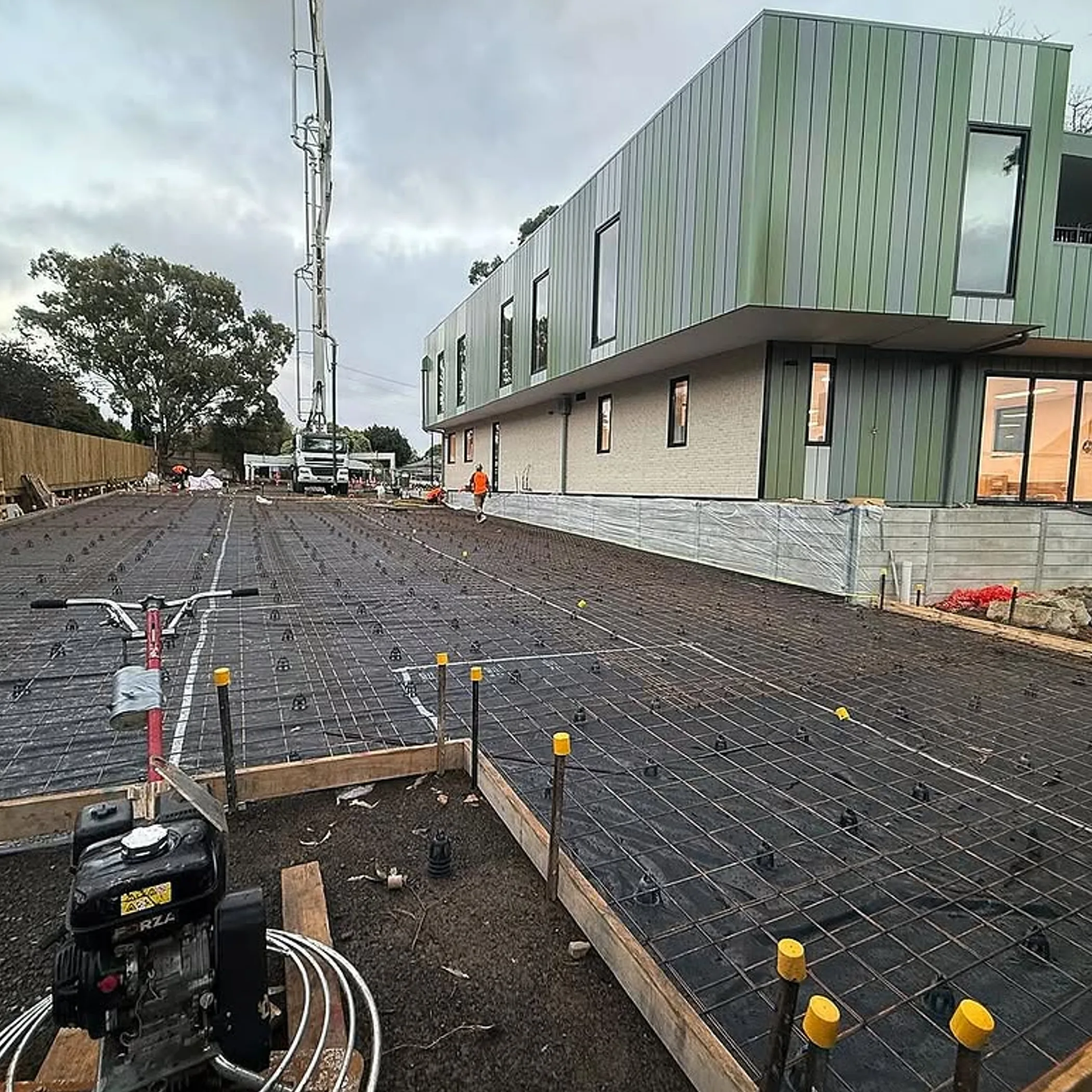
The timing of stripping is a matter of what the project entails. Be it formwork or a coating, or the residue from curing, each has its own constraints. What is safe is a function of the method used, the strength, the temperature and so on.
There is no set number of hours for the best time to strip concrete. It is when conditions and the concrete are in line with what the project demands and one is not at risk of damaging edges, pulling aggregate or compromising future bond.
Formwork Versus Surface Stripping
A rule of thumb will not do for taking down formwork; the engineer’s requirements and the strength of the concrete are what matter. To remove support prematurely is to invite damage or a safety hazard. The manufacturer of a surface coating may have a different window to work with depending on the stage of cure and moisture.
Cool, humid weather will protract curing while hot and wind will hasten the drying of the surface. But a hard top layer is no assurance of uniform curing below.
When One Day Is All There Is
Make the most important area your first priority for inspection, testing and prep. Get access sorted before the equipment shows up, have dust extraction in place and a contingency for rain or if the moisture numbers do not add up. An exposed slab that has had recent rain is the last thing to tackle in a day’s work when a moisture-sensitive coating is due on top of it.
Workers are to be kept from wet electricals, open edges and any space with poor ventilation for their own safety. Hot slabs are a source of heat stress so factor in water, sun protection and breaks for the men and the like. Equipment is to be handled with care. Leave the tinnie banter for after you have left the machinery.
Weather Pitfalls
Failures of a weather nature tend to stem from small things that appear innocuous. A door is flung open to admit some air, a hose is run across a slab to clear the dust or the coating is put down on the basis the forecast puts the odds of rain at ten per cent. There is a hard edge to the disparity between what one expects and reality. A rain probability may be low but it is there, and an afternoon of dry weather does not put right the moisture left over from the night. One would do well to base decisions on measured conditions as they are measured and the fallout from being in error.
Errors That Cost Rework
- Making an air temperature reading and not the slab’s.
- Putting down a coating on the back of a wet clean with no test for moisture.
- Letting the dew point go unheeded as the day wears on.
- Grinding up dust into finished areas for want of proper extraction.
- Turning on fans or heaters without seeing if they will cause uneven drying or contamination.
- Taking off formwork and surface materials before the necessary strength or cure has been verified.
Then there is Connor Birchall’s rule of thumb, which is straightforward: the weather has turned, so test again. You will save yourself the trouble of having to strip a bad coating and account for the lost time by rebuilding the schedule.
Frequently Asked Questions

A programme and a forecast and a wet slab have a way of colliding and these questions tend to come up. “It depends” is the honest response in most cases, though one can verify that dependency.
How Does Hot Weather Affect Concrete Surface Preparation?
The heat will see more evaporation and can cut short the working time of primers, coatings and other water-based products, at times making the slab hotter than the air. If the situation allows, get an early start and put up some shade. Keep an eye on moisture and adhere to the product limits for temperature and humidity.
Can Concrete Be Prepared After Rain?
Not as a matter of course, but yes on occasion. Put in the time to let it dry properly, do the moisture testing, look for any contamination and clear standing water. An exposed slab will take longer to be ready than one in the shade or where there is good ventilation.
What Temperature Is Best For Concrete Preparation?
You will not find a best temperature that is universal. It is a question of the method of preparation and the product at hand. Have regard for the project specification, the manufacturer’s data sheet and the slab’s temperature, dew point and humidity.
How Long Should Concrete Dry Before Preparation?
Do not look for a fixed time that is reliable across the board. Slab thickness, porosity, what comes from below, rainfall and ventilation all enter into it. Test the concrete and comply with what the adhesive, repair system or coating calls for.
Does Humidity Affect Concrete Curing And Preparation?
Inevitably. With high humidity evaporation and drying are slower, and a shift in temperature can bring condensation when you approach the dew point. So whether a surface is fit for the next product and how long curing takes can be influenced by it.
When Is The Optimal Timing For Concrete Stripping?
That is dictated by the weather, moisture, the strength of the concrete and its cure requirements as well as the stripping type. Heed the engineer on the formwork and the manufacturer on any residues or coatings. There is no place for a generic timeframe when you risk damage or unsafe loading by stripping too soon.
Make Weather Part Of The Method
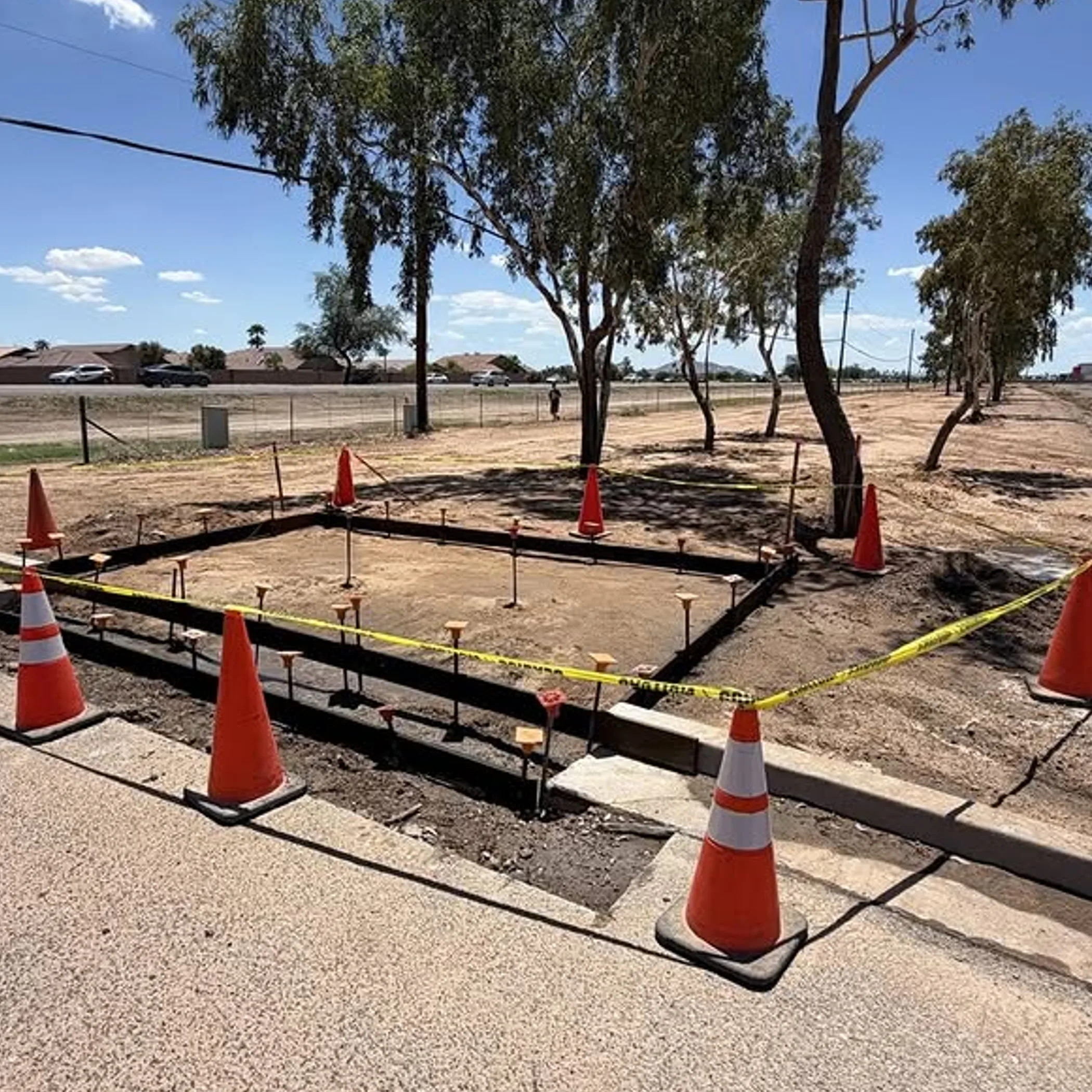
For the most part, getting concrete prepared in Australia requires a certain discipline of observation. Distinguish a surface that is truly ready from one that merely appears dry. Measure the slab, control the dust, give it the drying time it needs and have a look at the forecast.
The job is altered by the weather, be it cold in the south or a storm in the Top End during the wet season. Make allowances and the sealer, repair or final coating will likely perform as intended. Do not and the concrete will have the last word.