

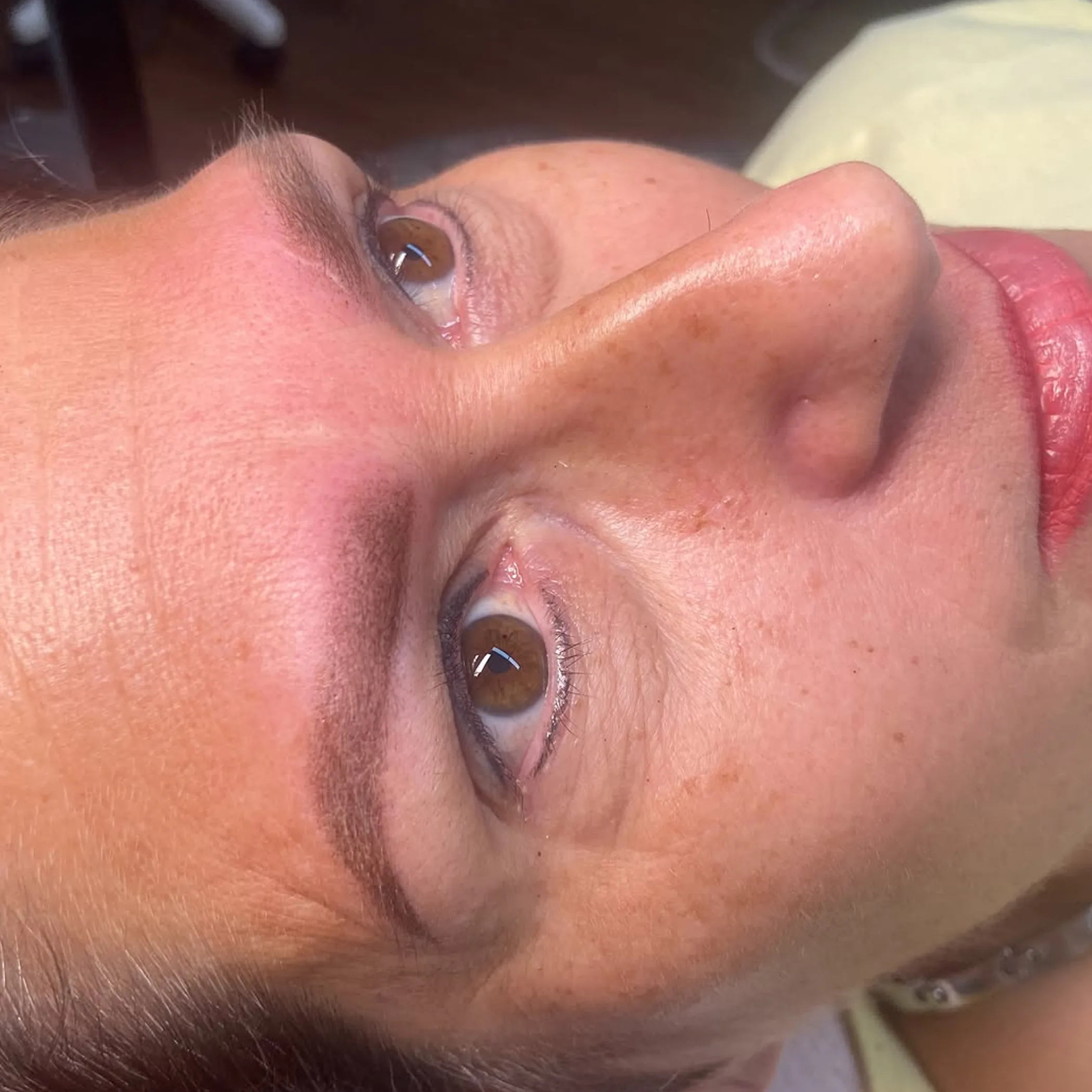
The general rule of thumb in Australia is to let your postpartum recovery run its course before having permanent makeup put in. Breastfeeding mothers are advised by most cosmetic tattoo practitioners here to put it off until weaning is done; those not breastfeeding can look at treatment once they have recovered and their doctor has given the go ahead.
But there is no one date that will work for all new parents in Australia. You have to factor in your own health, any medication, blood loss, how well you are sleeping and the state of your skin as it heals, to say nothing of hormones. Connor Birchall has put together this guide to the sort of questions one should be asking prior to making an appointment for eyeliner tattoo, lip blush, powder brows or microblading.
A Matter Of Common Sense
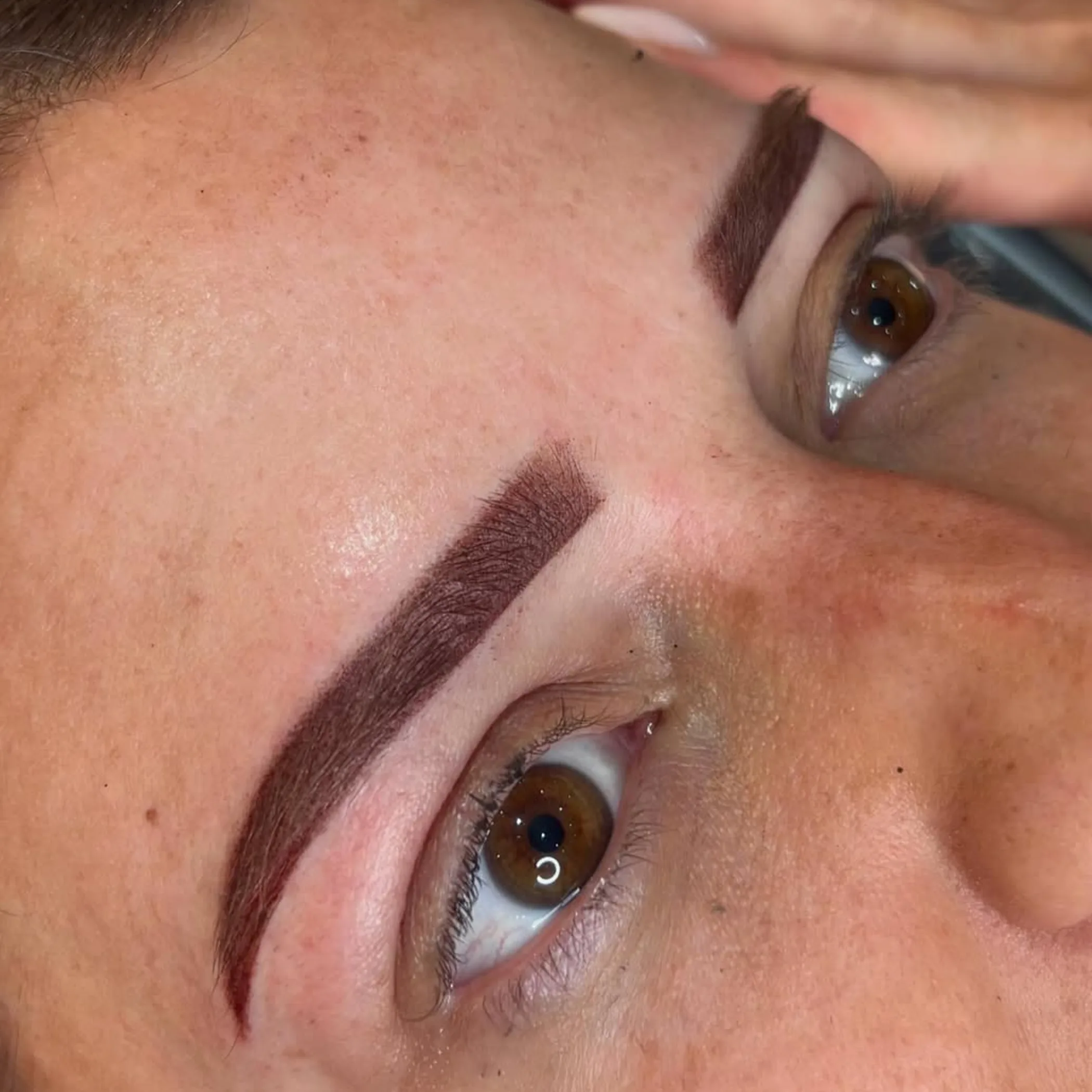
In the end, permanent makeup is a form of tattooing. It puts pigment under the skin and your immune system has to do some work to heal the area. So the right time to book is not simply a matter of whether the baby is here.
One does well to consult both an experienced, licensed practitioner and one’s GP, especially when considering tattoos during pregnancy safety. A technician who is at ease with putting you off is to be commended, not thought impolite. Take it as a warning sign if someone is touting guaranteed results when you are in the midst of healing, breastfeeding or running on empty.
What One Can Expect
Unless you have had complications such as a caesarean, anaemia, high blood pressure or infection, a practitioner might be amenable to treating you after the first few weeks of postpartum if you are not nursing and have made an easy recovery. Six weeks from the birth is a workable figure though hardly a medical law.
For the breastfeeder, the prudent thing is to wait until weaning. That way there is no question mark over the numbing cream, pigments or topical anaesthetic and how illness or drugs might impact on feeding. Your GP will be able to advise in light of the circumstances of you and your baby.
Breastfeeding And The Timing
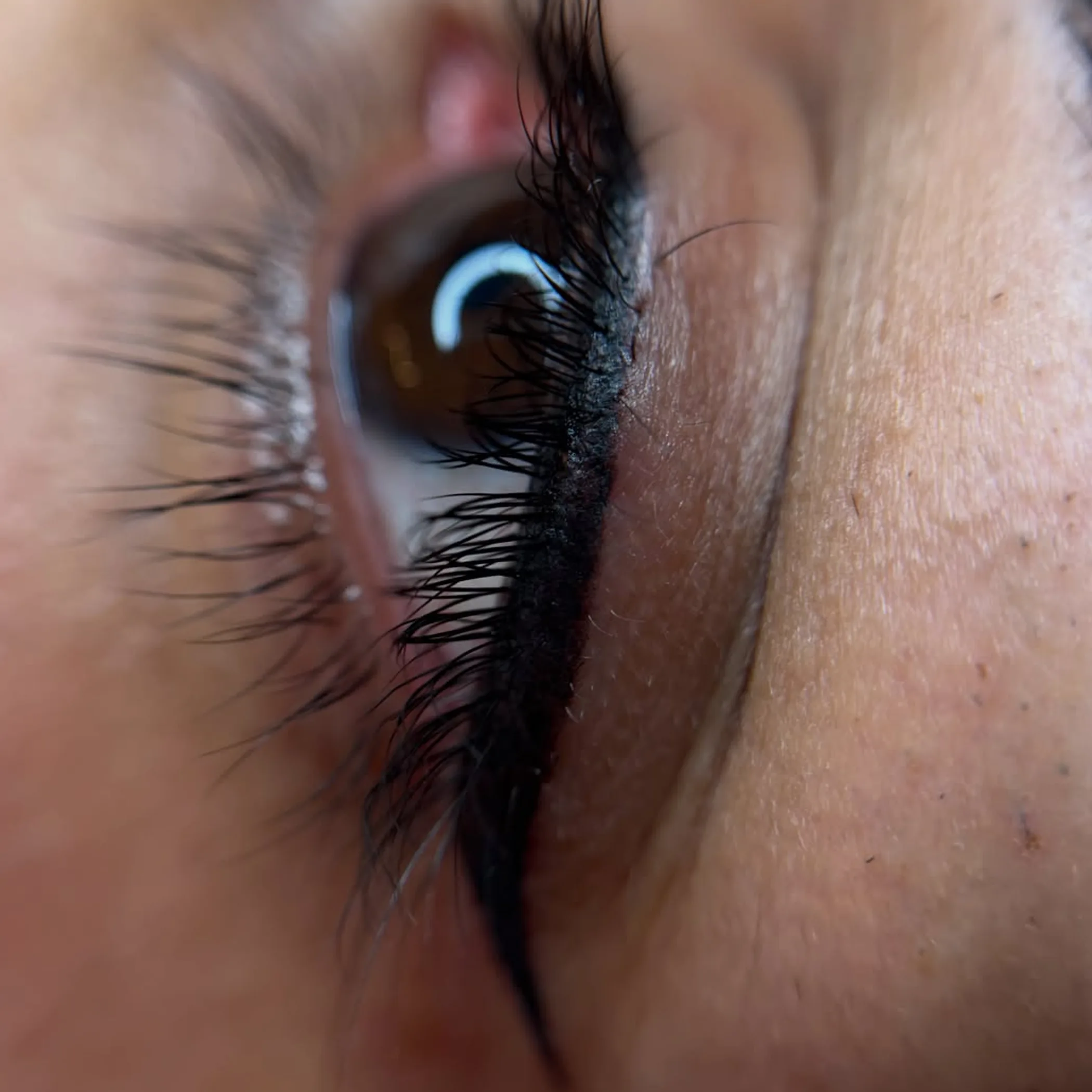
There are issues to consider with permanent makeup and breastfeeding beyond the pigment in the milk. What about the products used or an infection? The research in Australia does not offer a blanket safety assurance for every topical anaesthetic or cosmetic tattoo pigment out there. Clinics use different ingredients and regulation can differ. Caution is called for.
Then there is the matter of milk supply. An ointment for aftercare or an antiseptic may have scant information for the breastfeeding mother, especially on broken skin. Ask the practitioner for the make up of the product so your pharmacist can have a look. And should you need antibiotics down the track, it is preferable to have checked beforehand rather than be left in the car park of the clinic with a newborn and a fresh set of brows and no answers.
Milk Supply And Product Uncertainty
An ointment for aftercare or an antiseptic may have scant information for the breastfeeding mother, especially on broken skin. Ask the practitioner for the make up of the product so your pharmacist can have a look. Should you need antibiotics down the track, it is preferable to have checked beforehand.
Hormones Will Tell
With the hormonal upheaval after birth comes changes in oil, swelling and sensitivity of the skin. This can have a bearing on how the pigment is retained and the colour may not come in as you would like, making touch ups a bit of a lottery. Hormones are not going to make the procedure hazardous but they do complicate things. It is better to wait for a more even result when your cycle and recovery are stable.
How Long To Wait
You will see people enquiring as to how soon after birth a cosmetic tattoo can be had. The truth is it hinges on your delivery, any complications and if you are nursing. Do not think of it as a race to six weeks. Some are fine in no time, others have months to go with pain and fatigue. Let permanent makeup be secondary to that.
A Practical Timing Approach
| Situation | Practical Timing Approach | Reason To Seek Advice |
|---|---|---|
| Not breastfeeding, uncomplicated recovery | Treatment can be put on the agenda once the early days are over, say from six weeks in | Make sure any wounds are healed and that nothing in the way of medicines or complications will stand in the treatment’s way |
| Breastfeeding | The more prudent course is to hold off until weaning has been done | Consult a GP on the numbing agents, pigments, aftercare and any medications |
| Caesarean birth | Let your doctor be content with the progress of your recovery before proceeding | Physically, recovery will be a longer process than the cosmetic tattoo |
| Postpartum infection, heavy bleeding or anaemia | Do not go ahead with treatment until the condition is properly treated and assessed | These issues can impact healing and the risk of infection |
| Planned touch-up session | The skin must be allowed to heal in full before returning | One should not put a fresh area to the needle again too soon |
This table is for planning purposes only, not a medical clearance of a personal nature. A visit to the GP is warranted if you have had mastitis, a wound problem, significant blood loss, pre-eclampsia or gestational diabetes of the sort that needs continued attention, or a compromised immune system.
Choosing Your Treatment Wisely
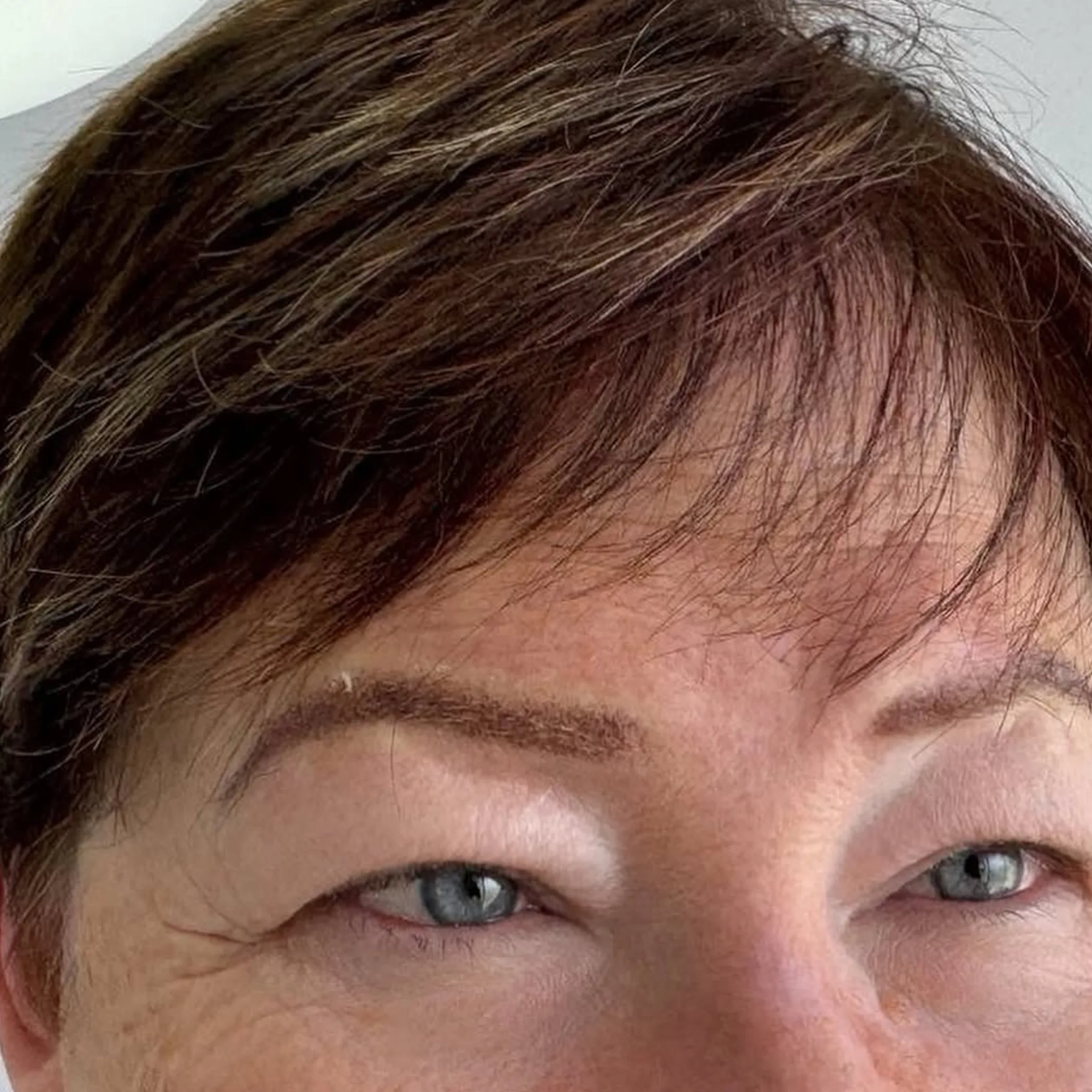
What are the rules for microblading after a baby? They are the same as for any other form of cosmetic tattoo. Microblading makes its mark with small incisions, powder brows by implanting pigment repeatedly, and lip blush or eyeliner tattoo in breaking the skin, all of which present questions of infection and healing.
Even though the face may appear to have recovered, the skin barrier can still be sensitive so caution is called for. Have the practitioner make the assessment, do not put faith in the calendar.
Brows, Lips Or Eyeliner
With brows the area is open to view and aftercare is simple enough to plan. Lip blush could be out of the question with a propensity for cold sores unless the doctor has spoken to you about prevention. An eyeliner tattoo is something to approach with care given the proximity to the eye and the inconvenience of swelling while tending to a baby.
It would be unwise to opt for a treatment on the basis of speed. Even a three hour appointment will mean finding transport and parking, breaks for feeding and childcare and time to recover in quiet afterwards. On a hot Australian summer day public transport is no pleasure with tender lips or puffy eyes, so put in place a direct route home.
Expectation And Reality
One expects permanent makeup to see to it that mornings are less of a chore and in some respects it does. Then there is the reality of redness and flaking, darker colour and the rigours of aftercare for the first few days. New parents have their share of variables without a mystery brow to contend with.
There will be a need for a touch-up down the track but do not book it right after the initial session. The practitioner will want to see how the colour has settled and the skin healed before putting in more pigment.
Managing Safety And Healing
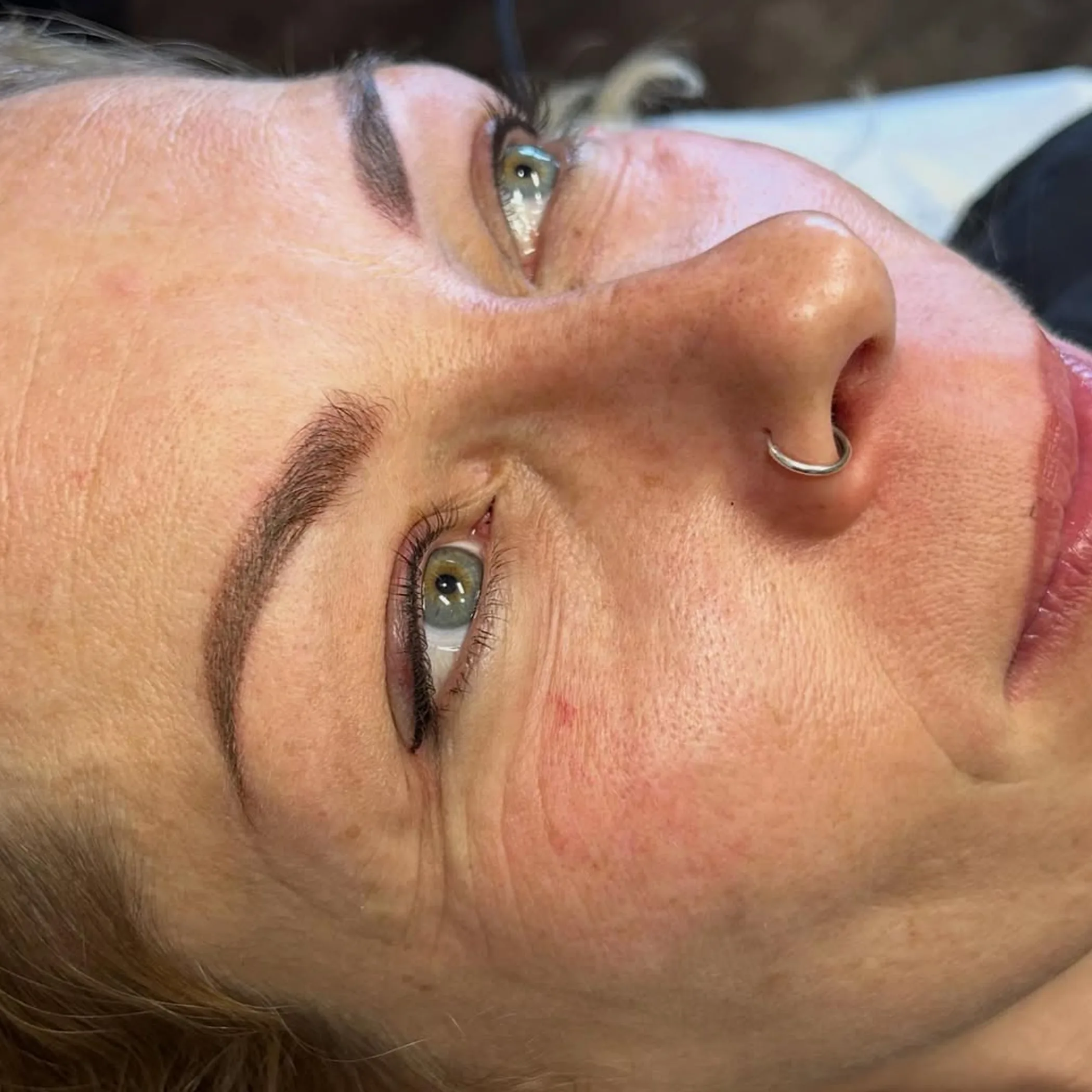
When it comes to safety and breastfeeding, the entire procedure is what counts, not an individual ingredient. Proper aftercare, sterile needles and equipment, hygiene and preparation of the skin are all important.
Put the practitioner in the picture as to your medicine and supplement intake, any allergies, diabetes or immune conditions, pregnancy history and whether you are nursing. Blood thinners of any kind, prescribed or otherwise, should be mentioned. One does not discontinue a prescription for the sake of a cosmetic tattoo.
Key Risks To Discuss
You can anticipate some tenderness, dryness, redness and a temporary change in colour. More concerning are scarring, an allergic response, uneven or migrating pigment, poor healing and infection. There are further risks with anything done around the eye.
Do not write off fever, pus, pain on the increase, difficulty breathing or vision changes as part of normal aftercare and get in touch with a health professional at once. Know what symptoms call for urgent advice.
- Verify the licence or registration with the state or territory authority.
- See for yourself that the needles are single-use and sterile when they are opened.
- Get the names of the anaesthetic, aftercare and pigment.
- Look over the clinic’s medical disclosure and infection control.
- Make provision for a quiet time to recover and for the practicalities of parking and childcare.
- Take written instructions with you when you leave.
Australian licensing and council rules are not uniform across the states and territories. Any competent practitioner will tell you what qualifications they have and who is regulating the premises. If they are vague on the subject, make your exit. You would not want your face to be the site of an apprenticeship.
Preparing For Your Appointment
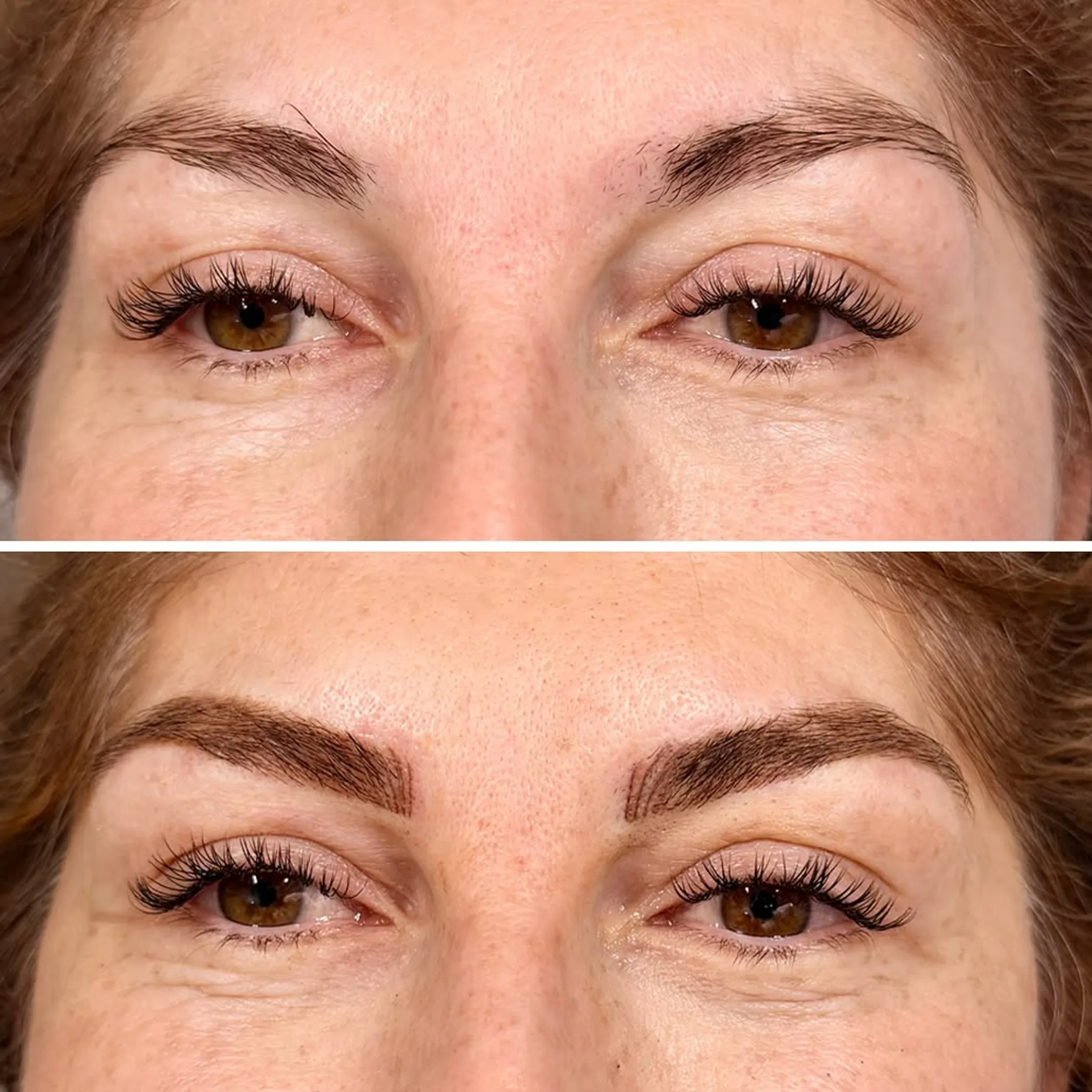
To make the whole affair easier and safer, some preparation is in order. It also allows you to determine if the timing is truly convenient and not just the one hour you can spare between feeds.
Have another adult on hand to look after the baby, particularly for an eyeliner or lip blush. Make sure you have food and water and clean pillowcases and the like before you set out.
A Practical Booking Checklist
Even where a clinic touts the option to have your consultation and treatment in one session, make an appointment for the former on its own. Come with a record of any allergies and the medicines you take. The practitioner should be made aware if you are or have been recently breastfeeding, or have another pregnancy in the offing.
Do not be swayed by fresh treatment images; new pigment has a way of looking deceptively sharp. Healed photographs will give you a better idea of what to expect. See if the pictures put forward a variety of skin types and that the practitioner is forthright about what can and cannot be done.
Adhere to what the clinic prescribes for makeup, exfoliants, sun exposure and skincare in general. One does not want to turn up with an open wound, eye infection, active dermatitis or a sunburn. It is an inconvenience to have to put off an appointment, but less costly than putting right a complication that could have been avoided.
A Suitable Practitioner
An Australian technician of standing will field your questions in a straightforward manner and without any hard sell. They know a postpartum permanent makeup job is not just a standard booking with an altered date.
Put the advice of the practitioner to the test against an independent health professional. Healthdirect is a good public-health resource in Australia for any queries on medication or breastfeeding. Inquire as to how the clinic goes about referrals to a doctor, complaints or any adverse reaction.
What People Overlook
It is easy to be preoccupied with the safety of the pigment and lose sight of the recovery. Sleep deprivation is no help when it comes to cleaning properly, feeding can get in the way of aftercare and a newborn is apt to rub at your face. If you do not think you can stick to the aftercare, then wait.
Then there is the error of going by an online promotion and not inquiring as to who is doing the work. Polished photos and a brand name are no substitute for a proper consultation, training and hygiene. As Connor Birchall would say, if a clinic cannot put the process to you in plain terms they have not won your trust.
Some Questions Answered
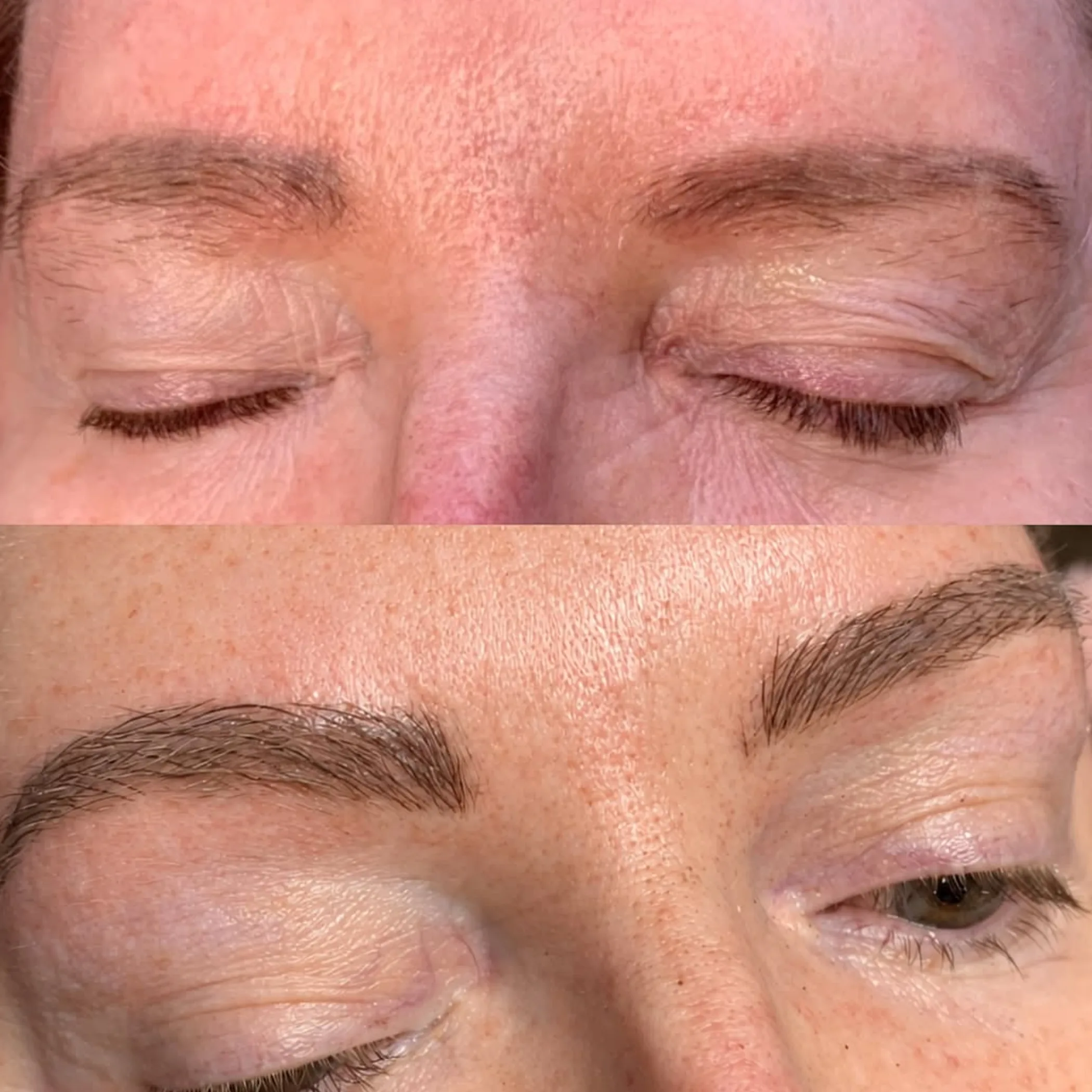
Permanent Makeup and Pregnancy
The majority of practitioners will have you put off cosmetic tattooing while pregnant. It is a procedure that breaks the skin and runs the risk of infection, not to mention the products used may have little in the way of safety data for pregnancy. Put your concerns to your maternity-care provider.
On the Safety of Tattoos in Pregnancy
That term encompasses everything from pain relief and pigments to healing and infection control. Do not assume because a product is available in Australia it is safe; the circumstances of pregnancy and breastfeeding are not one and the same so get counsel accordingly.
Aftercare
This will be dictated by the treatment but for the most part means you keep the area clean and resist the urge to pick or scratch, using only the products the practitioner has directed. No swimming, direct sun, unapproved skincare or heavy sweating until the skin is healed. Make sure you ask what the rules are for makeup and active ingredients.
Age for Tattooing
You will not find a rule of thumb that applies across every state and territory in Australia, particularly when it comes to minors and the need for parental consent. Those under 18 are well advised to look up the local laws and see a licensed and reputable practitioner. This is not something to be done informally in the home.
Foundations for Pregnancy
Your doctor or pharmacist can advise on what is safe given your skin and the ingredients involved. Stick to the likes of your Australian retailer of choice and patch-test anything new. A foundation will also serve as an alternative in the interim.
To Make the Safest Choice
In Australia, the consensus for many is to hold off on permanent makeup until the postpartum period is over and you have finished breastfeeding. Should you not be breastfeeding, once the early days of recovery are behind you and your medications and health have been seen to, treatment is an option.
There is nothing to be gained by rushing. Be in a position to heal and put in the aftercare without any stress. A good technician in Australia will be fine with you waiting for the right time; the brows will be there.