

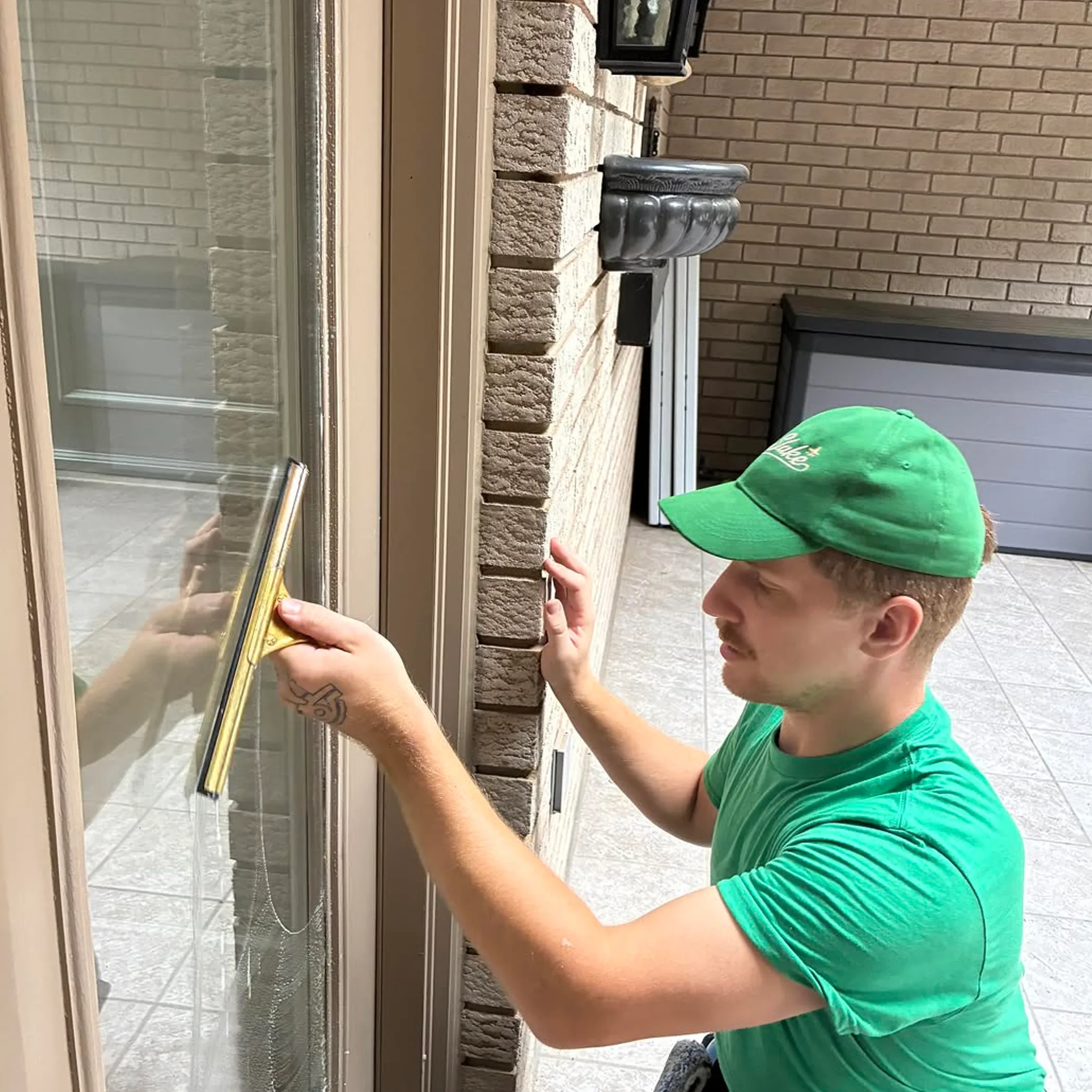
There are three easy decisions that will see you through to a streak free window in Australia: pick an overcast day for the work, put in some clean water and put a good squeegee to it. I am Connor Birchall and one has to learn from experience that technique is of more value than an overpriced spray; I have had my fill of smeared glass and bird droppings as if they were part of the pane, not to mention the fingerprints left by the sun.
To do a proper job, start by rinsing off any loose dirt. Wash the glass with a bit of soapy solution and squeegee it in overlapping passes from the top down, wiping the blade as you go. A lint-free cloth on the edges is all that is needed to finish. You will find this approach serves most Australian homes well, be it in the dust of the regions or the humidity of Queensland, as long as you keep the solution from drying out and stay out of the sun.
What You Need For Clear Glass
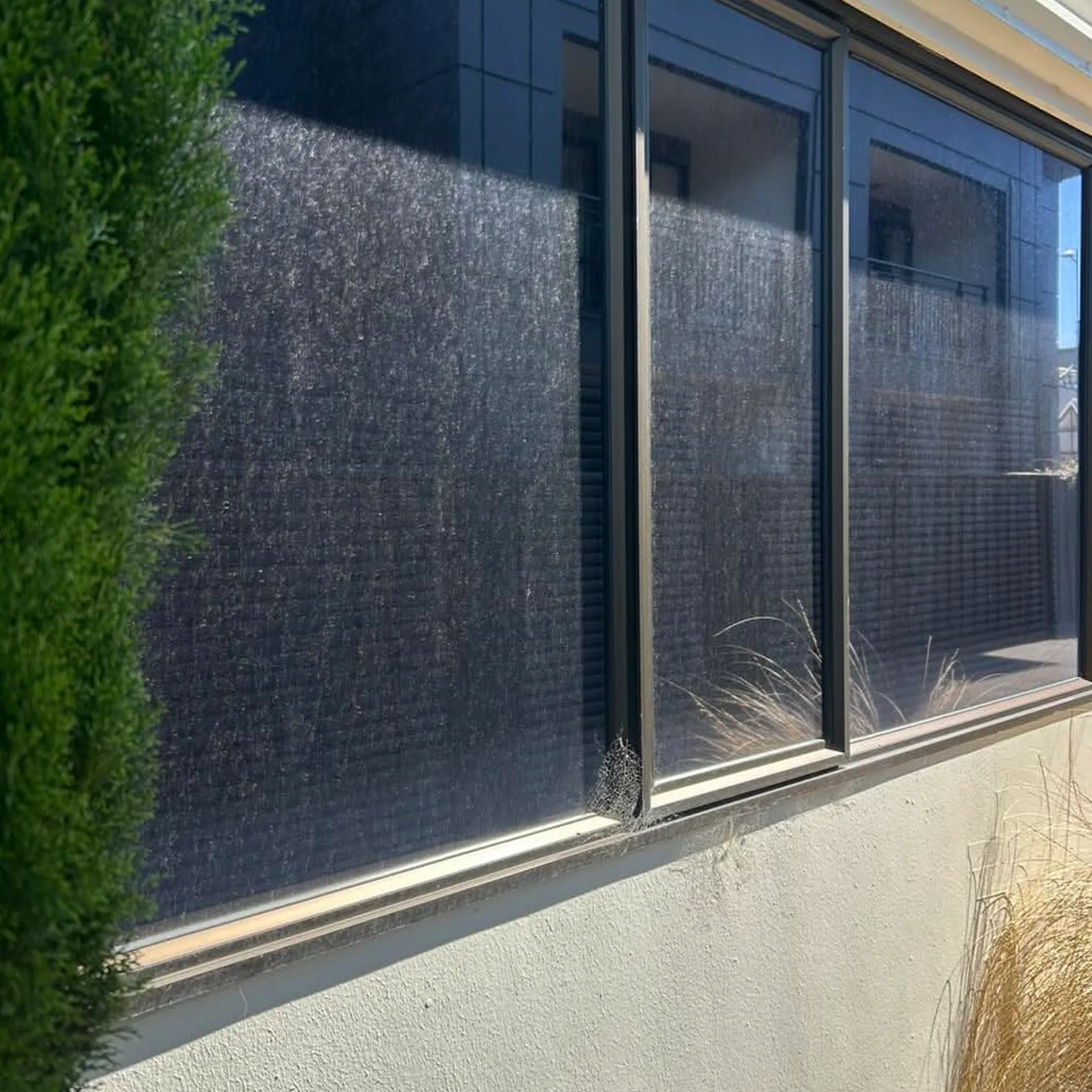
Having the proper equipment is less frustrating and safer, and gets the job done in half the time. You are not going to need a cupboard of gadgets but a couple of useful tools will spare your shoulders and stave off the “what did I do to make it worse?” feeling.
Do not begin with anything dirty. A worn squeegee or a microfibre cloth with grime on it is a sure way to put in an afternoon and get nowhere, you are only moving the dirt about. For guidance, see this squeegee blade comparison.
Essential Cleaning Kit
- A window washer or sponge applicator
- A squeegee with a flexible sharp blade
- Two buckets, one for the rinse and one for washing
- Microfibre and lint-free cloths
- Warm water with a dash of dishwashing liquid and white vinegar
- Soft brush for the sills and frames
- An extension pole for awkward heights
- Gloves, a step platform and stable shoes where called for
A window vacuum is no replacement for pre-cleaning but it can deal with residual moisture on a large pane. If there is grit the head will just drag it across the surface. And if the tap puts down heavy mineral deposits, switch to distilled or purified water to cut down on spots, though it will not compensate for bad form.
Choose The Right Cleaning Weather
Make it a cool day with little wind, preferably overcast. The cloud cover means the glass is cooler and you have more time before the cleaning solution has evaporated. Direct sunlight is a trap; it lures you into tackling the glass then dries it before you are done. In the north the humidity might put a film on things and dry weather brings the dust back in a matter of hours.
Plan Around Australian Conditions
Wait for the dust to settle after building work or high winds before you put the squeegee to outside windows. Do not be on a ladder with wet surfaces underfoot, and in the Top End or northern Western Australia heed any storm or cyclone warnings. An extra rinse may be in order for the dust in the dry season.
In areas with bushfire risk, check the Bureau of Meteorology for their Australian weather warnings and any access advice before you set up. They will tell you what to expect in the way of rain and wind.
Prepare Frames Sills And Glass
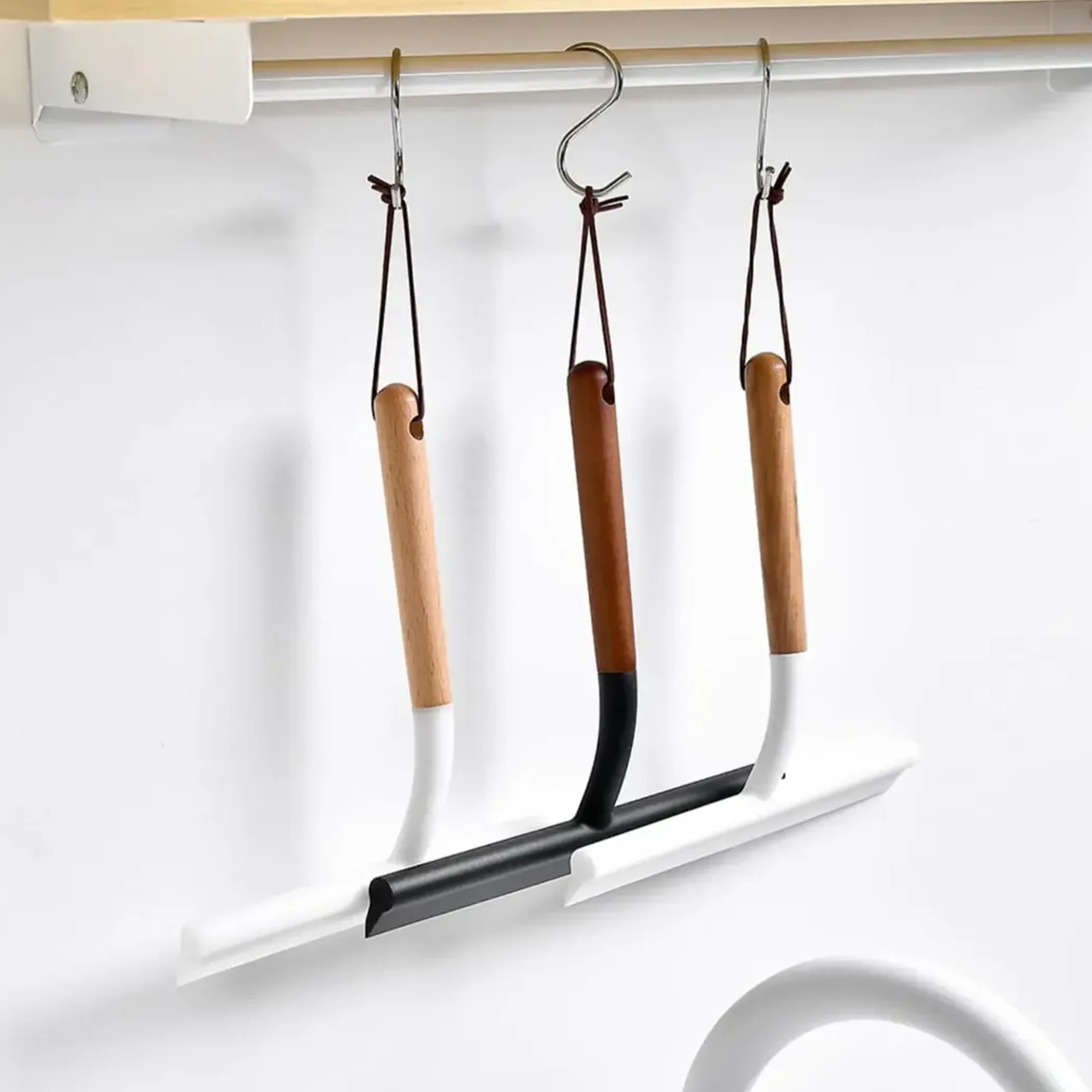
The order of operations is often done wrong. People will put the glass in first and then wash the frames, running all the muck back over the pane. Get the surrounding area sorted and the work will stand up better.
Clear the tracks and sills of loose dust with a soft brush or dry cloth, and vacuum if they are full of grit. Be careful with cobwebs and watch for spiders, some of the inhabitants of an Australian window have views on your cleaning regime.
Remove Loose Dirt First
Rinse off the sand and insect debris to start with. Dry grit will mark the glass, older panes in particular.
For the odd bird dropping let a wet cloth sit on it for a few minutes to soften it rather than scrape at it. A razor blade is not for tinted or coated glass unless the manufacturer says otherwise.
Follow A Simple Cleaning Sequence
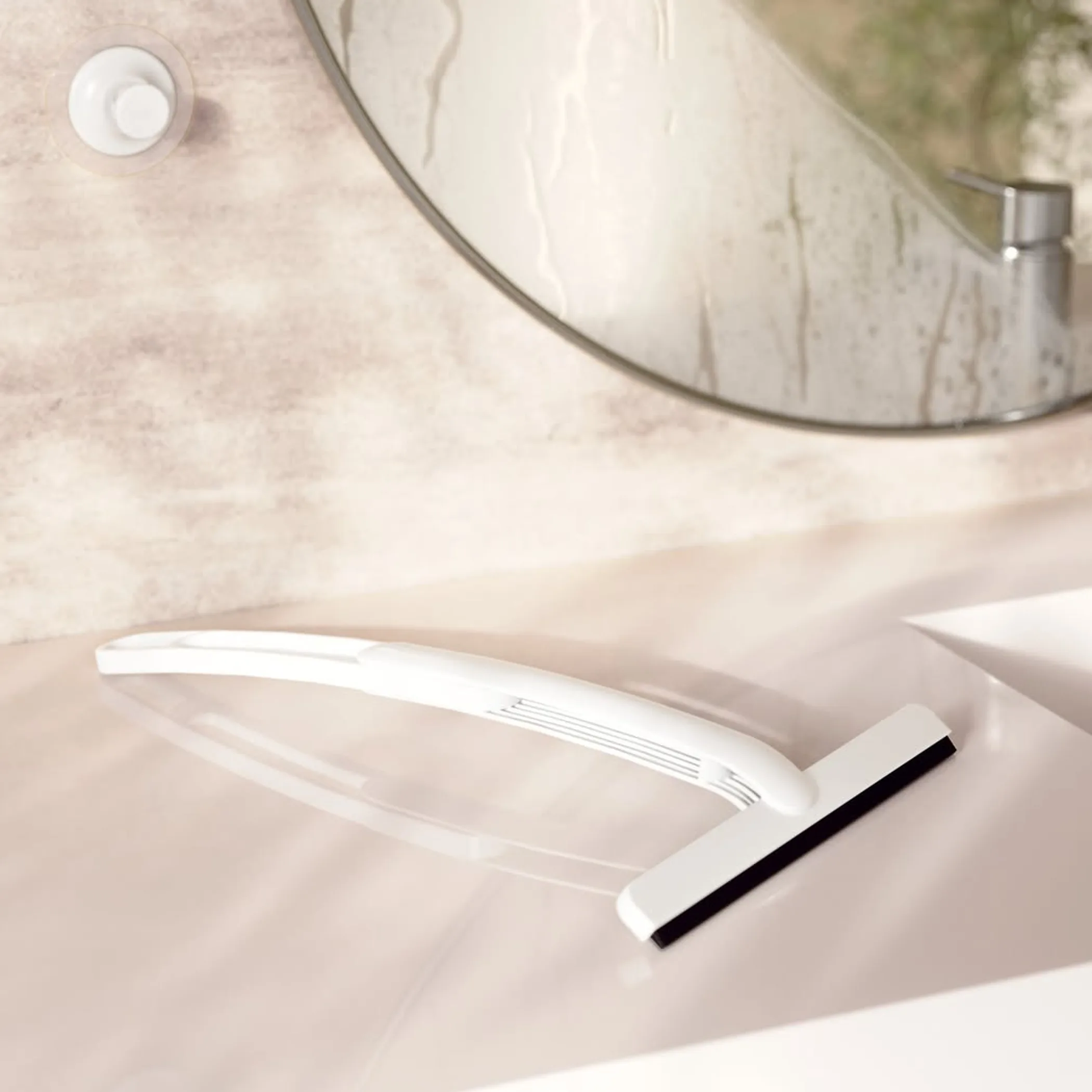
There is no better way to ensure a window is free of streaks than to adopt a methodical approach and tackle it in small sections. One pane at a time is the way to go; make sure you have the surface wet as you work and do not let the solution dry on it.
I made the mistake of putting off a western-facing bank of windows until late one afternoon when I could find the time. By the time I was done with the bottom, the top had put in its own pale arcs. The glass looked as though a very orderly octopus had been at it. I have learned to accommodate the weather from that day on.
Use This Step-By-Step Method
- Clear the sills, frames and tracks of any dust by brushing or vacuuming.
- Rinse the glass with clean water to see to the surface dirt.
- Put some dishwashing liquid in a bucket of warm water, without making excess foam.
- Take your window washer and go over the glass from the top.
- Put the squeegee in the upper corner and draw it down in a straight line.
- Overlap the strokes so as not to leave narrow strips of water in their wake.
- Wipe the blade with a cloth after each stroke.
- Dry off the lower seal and corners with something lint-free.
- Have a good look at the pane from all sides and put right what requires it.
Do not be fooled into thinking a grey bucket is still of use; change the water. And keep the cloths for the frames and the glass apart to avoid re-depositing oily grime.
Master The Window Squeegee
It comes down to rhythm, angle and the pressure you apply. You want to hold the handle with enough firmness for the blade to stay on the glass, yet not so much that you are bending the rubber and leaving water in your path.
Pull in a single, controlled motion with the blade at an angle. Anything short and tentative will result in joins and drips and a smeared finish to make you wonder what you were thinking.
Prevent Blade Lines And Drips
The pane should be wet to start. An overloaded blade will shunt dirty water about and a dry one will skip. Check the blade for nicks between passes and give it a wipe; a damaged spot will put a stripe across the whole window.
On a wide pane a horizontal stroke is fine if you can control the water at the edges, otherwise stick to vertical. Finish along the bottom seal and dry it.
When it comes to blades, condition is as important as the brand. A flexible, clean blade will outdo a cracked or gritty one of several seasons’ vintage, whatever the squeegee blade comparison may say.
Remove Spots Smears And Grime

You will get smears from a cloth with fabric softener in it, or from household sprays, or from the rubber seals on the frame wearing out. Streaks are often the product of a warm pane, too much detergent or unclean water.
To deal with water spots, douse them in a weak white vinegar solution, squeegee and then rinse. But put the acidic solution away before it has a chance to sit on metal finishes, stone or unsealed timber.
Handle Difficult Deposits Safely
Construction residue, adhesive or paint call for a more considered approach. See what you are dealing with and, if it is treated glass, follow the manufacturer’s instructions. Do not try to improvise a scraping on tinted glass with some abrasive pad or harsh powder.
Should the pane be cloudy, it may be an issue of condensation or a failed seal within the double glazing rather than on the face of it. No amount of cleaning the outside is going to fix that; you would be best to have a glazier look at it.
Choose Vinegar Soap Or Glass Cleaner
For a homemade cleaner that does not leave a mark, simple is best: a little dishwashing liquid in water and a good squeegeeing. Vinegar will take care of mineral residue but adding more will not necessarily improve the glass.
If you are going to use vinegar, mix it with water and try it in an unobtrusive spot first. A commercial cleaner is handy for the odd indoor fingerprint but over-spraying will just put down a sticky film.
| Cleaning Option | Best Use | Common Mistake |
|---|---|---|
| Warm water and a touch of dishwashing liquid | Fingerprints and the like around the house | Too much soap |
| White vinegar and water | Residue and light mineral marks | Applying it to materials that are sensitive |
| Commercial glass cleaner | Indoor touch-ups | Heavy-handed spraying and paper towels |
| Purified or distilled water | Hard water and the spots it leaves | Putting faith in water quality over technique |
One will find that for exterior work professional cleaners tend to put in a purified water system. The minerals it takes out would otherwise be left to dry as spots on high windows and frames. On an ordinary home job, however, tap water of a good quality with a squeegee blade and a cloth to finish with is all that is required.
Adapt To Australian Homes

Any window cleaning advice in this country has to make allowances for the heat, the dust, salt and the vagaries of the weather. A home on the coast will have its share of salt film; inland there is fine dust; and if you are close to a thoroughfare a greasy build up can form that a cursory spray will not do away with.
Take flyscreens off to clean them and put back only when they are dry. Be at pains to wash the tracks of a sliding door, grit will impede operation and in time ruin the rollers.
Improve Safety And Access
There is no need to put one’s self out by leaning from a window or stretching sideways on a ladder. An extension pole from the ground is preferable. When the property is large or the glass is hard to reach, or for any fragile surfaces on an upper storey, it is sensible to engage a reputable local service.
An average single-storey home might be done in an hour or two, give or take, depending on how many panes and screens there are. But factor in high windows, construction dust or salt and it could be a few hours. As for what a professional charges, that is a matter of location, the state of the windows and so forth. Put in for a written quote instead of some indistinct hourly figure.
Choose A Suitable Squeegee Blade
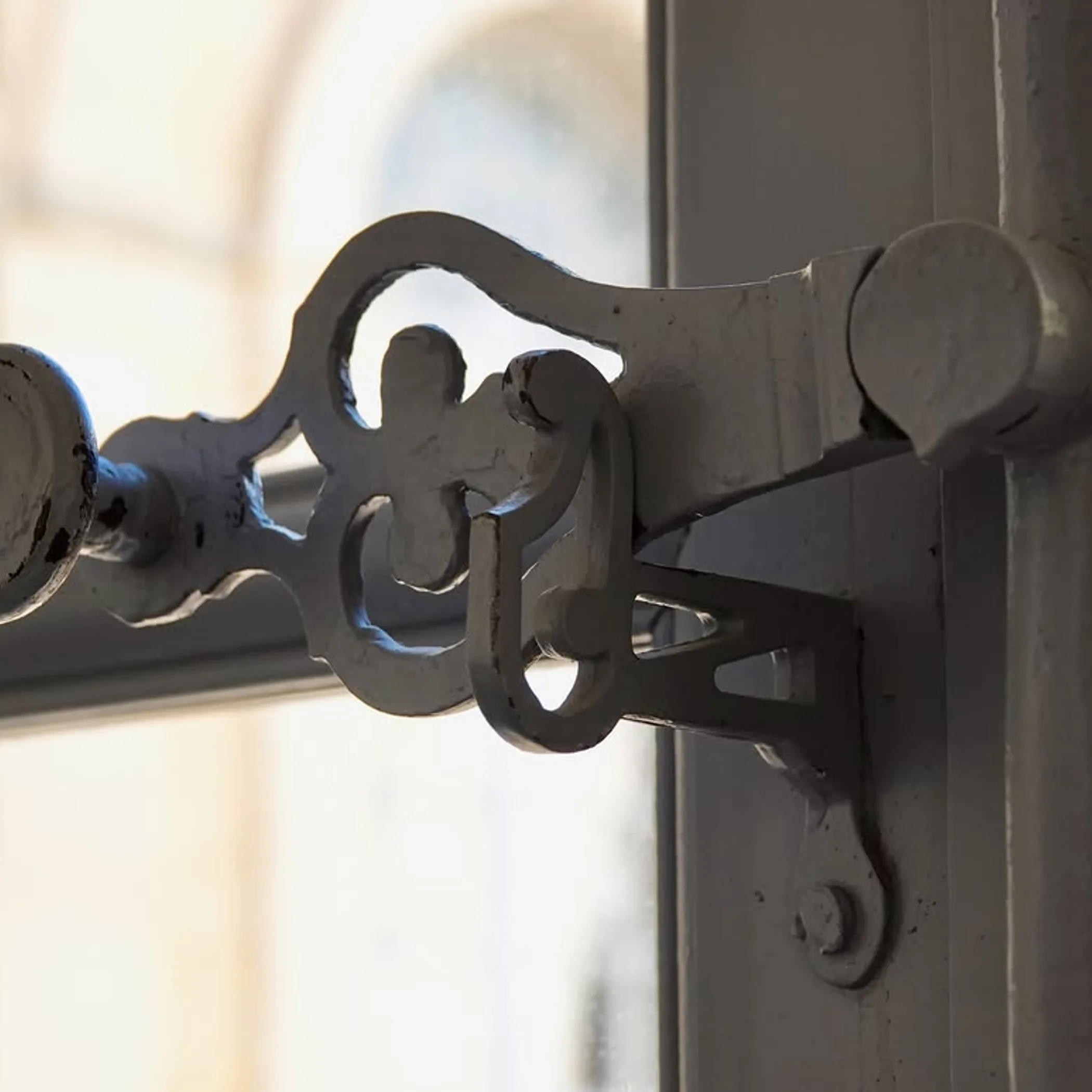
Since the blade is what is in control of the water it should be given more consideration than most. Pick one with a handle of good balance and rubber that is even with the glass, and of a width appropriate to the pane.
Put it away from any extreme heat and keep it in order. If it is left in a hot car or against a bucket the rubber will be distorted and you will have streaks before you start. Change the blade once you see nicks, a permanent curve or hardened edges.
Match Tools To The Job
A small blade is what you want for divided panes and narrow bathroom windows. With a wider blade you can get over a lot of glass but you have to be more circumspect around the corners and frame. A washer with a sleeve that comes off is handy for the washing, leave the edging to a lint-free cloth.
With coated or tinted glass, heed the supplier. If in doubt as to a product’s safety, try it in an unobtrusive corner or put in a call to the installer. You do not want an expensive memento of a ruined coating.
Frequently Asked Questions
When people are at odds with persistent streaks these are the things I am asked. In brief, a little detergent and clean tools and well timed work will put aggressive chemicals to shame.
Is Vinegar Better Than Windex For Cleaning Windows?
It is not a case of one being superior to the other. Vinegar is of use on mineral residue, a commercial cleaner is convenient for an indoor mark or two. But for a proper clean you will get better consistency with a lightly soapy mix and the squeegee.
Why Are My Windows Still Smeared After Cleaning?
More often than not it is the result of too much soap, a bad blade, dirty water or working in the sun. See if the smear is between double-glazing or on the inside. Clean the blade, put in fresh water and use less soap on a cool pane.
What Do Professional Window Cleaners Use In Their Water?
Exterior windows are usually done with purified water to avoid the spots minerals cause. Some will use a solution with plain water. It is down to the height of the window and access.
What Is The Best Homemade Streak-Free Window Cleaner?
Warm water and just a touch of dishwashing liquid will deal with general dirt, squeegee it well. Only put in white vinegar for mineral residue and then test on sensitive finishes first.
Can I Clean Windows In Direct Sunlight?
You can but expect to work harder for a streak free finish as the solution dries. A shaded part of the house or an overcast day is to be preferred. Should you have to do it in the light, tackle a small area and dry it right away.
Finish With A Clear View
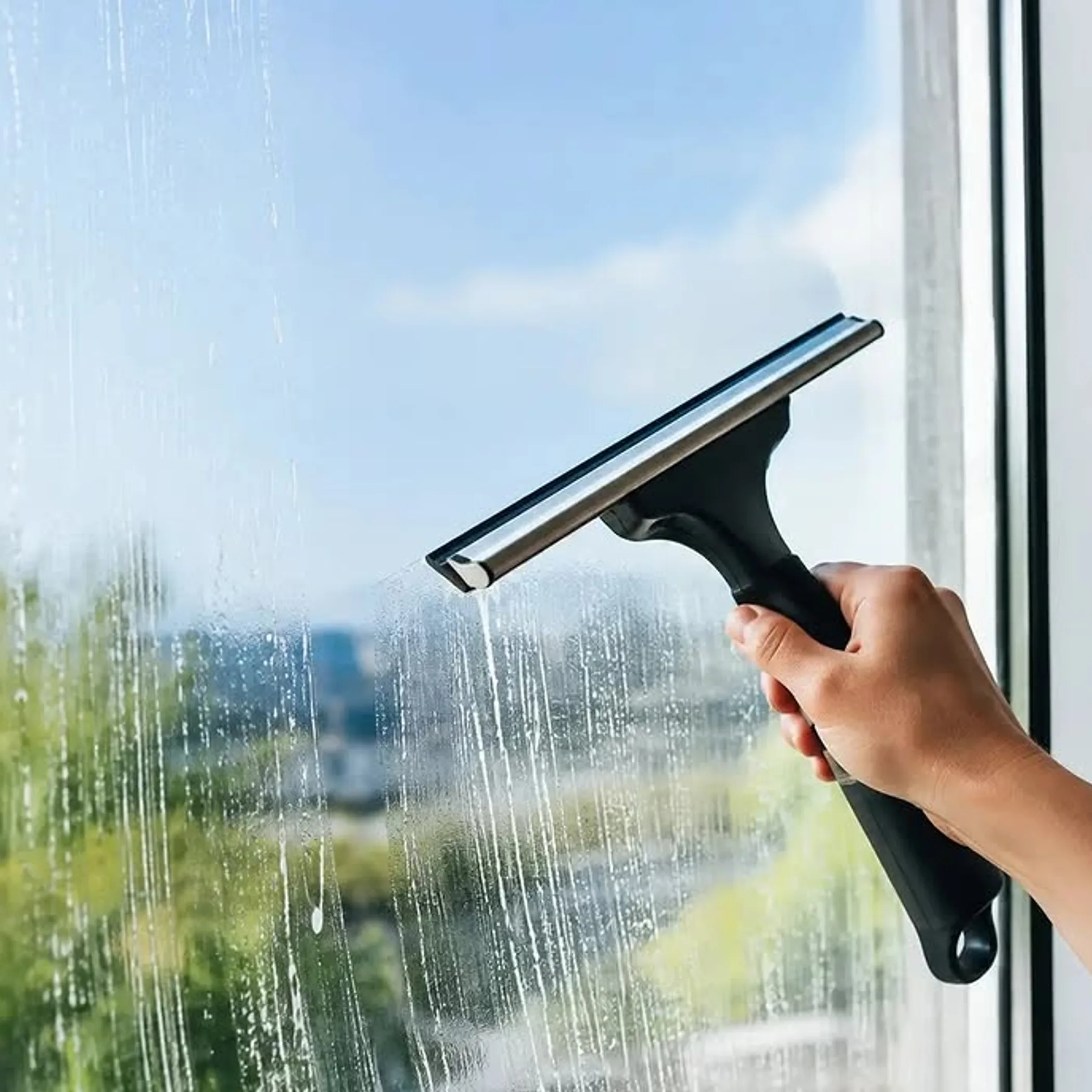
Keep to a simple method: prepare the frames, a mild solution to rinse the grit, squeegee with a clean blade while the pane is wet. It is the way to go for most homes here and sidesteps the problems of hot glass and so on.
Do not think to achieve perfection by a bit of vigorous scrubbing. Replace your gear when it shows its age and be safe about it. A clean window is meant to let the light in, not be a reminder of how long you put the task aside.