

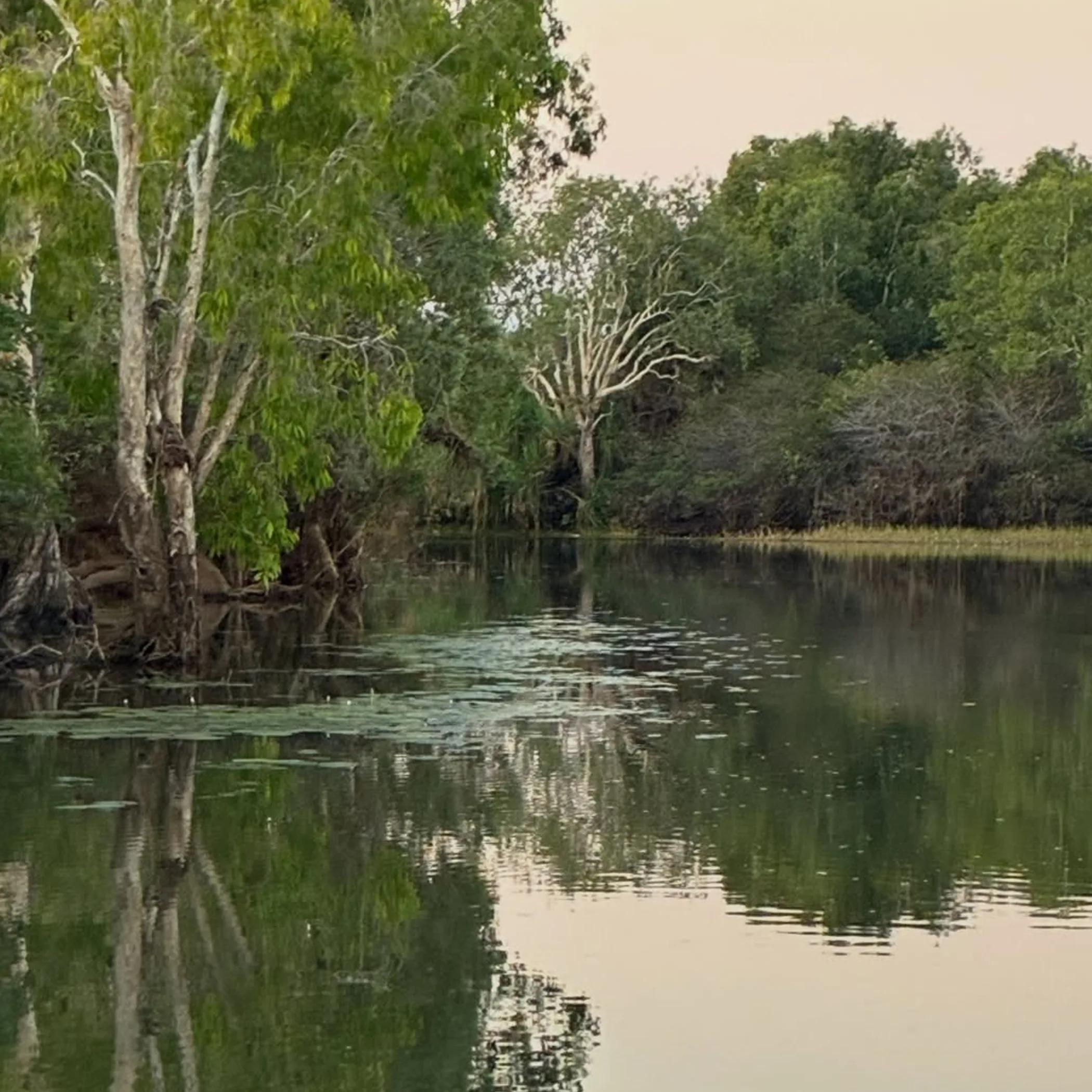
For the most part, you can’t go wrong with a trip between May and September. The dry season makes the Top End far more reachable and the Red Centre much more agreeable for a long walk on the ground. Put simply: the dry months mean open tracks, cooler days, and cruises you can count on. From there, it is a matter of when you want to be and what you want to do.
Contents
- 1 The short version
- 2 Why the divide?
- 3 The Top End
- 4 The Red Centre
- 5 Picking your park
- 6 Kakadu
- 7 Litchfield
- 8 Nitmiluk and Katherine Gorge
- 9 The Red Centre has its own set of rules
- 10 Uluru and Alice Springs
- 11 Kings Canyon and the MacDonnells
- 12 A month-by-month view
- 13 What the season is for
- 14 In a nutshell
- 15 Roads and safety
- 16 Making the right move
- 17 What kind of travel works here?
- 18 Some ideas for your route
- 19 FAQ
The short version
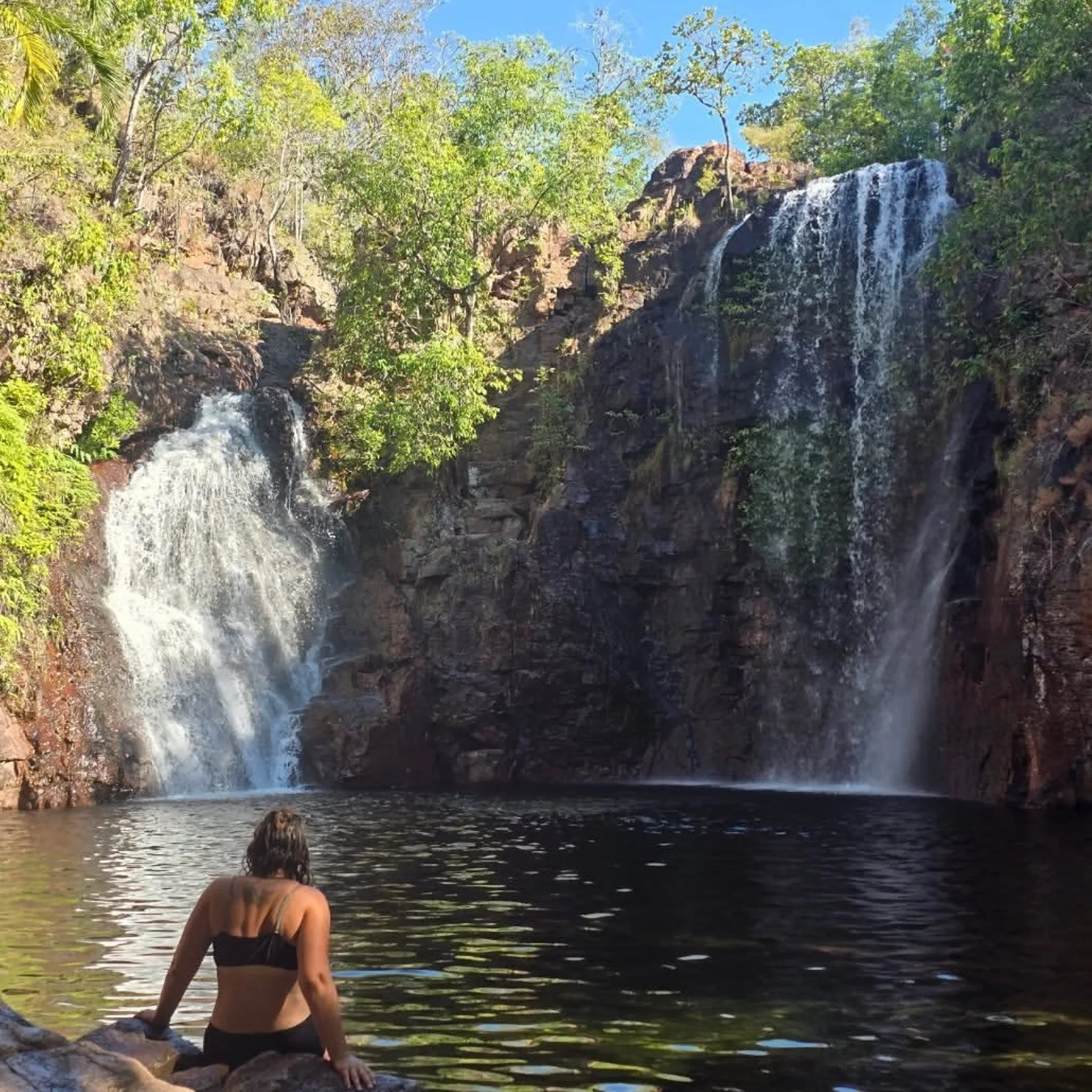
Weather and access are the two things that will guide your plans. In general, the Top End is at its best from May to October; in the Red Centre, April to September is the way to go.
But the Northern Territory is not a one-note place. You have to factor in the variables. In Kakadu, Litchfield or Nitmiluk, you are dealing with rain, floods and the odd road closure. Out by Uluru or Kings Canyon, it is all about the heat and how much time you want to spend in the open.
| Region | Best overall months | Why these months work | Main trade-off |
| Top End | May–Sept | The drier conditions and open roads make for better touring | Some waterfalls will have let up by the end of the season |
| Red Centre | April–Sept | Temperatures are kinder for hiking and being out and about | Winter nights in the desert are no joke |
| Shoulder months | April, May, Oct | You get a bit of both worlds here | You have to be ready for the weather to turn on a dime |
Why the divide?
It is easy to plan as if the whole Territory follows the same calendar. It doesn’t. What is ideal for a day in one corner of the state may be unworkable in another. Embark on a Katherine Gorge adventure with a cruise up the gorge at Katherine and a rim walk at Kings Canyon are two very different propositions.
This is why the question is not just the best time to visit Northern Territory, but which part, for what activity, and under what conditions.
The Top End
Here you have the wet and the dry. From May to October is the standard window for travel: the humidity is down and the disruptions are few.
Then comes the wet (November to April). The monsoons put on a show with some of the greenest scenery you will see, but they also have a way of scuttling a set plan.
The Red Centre
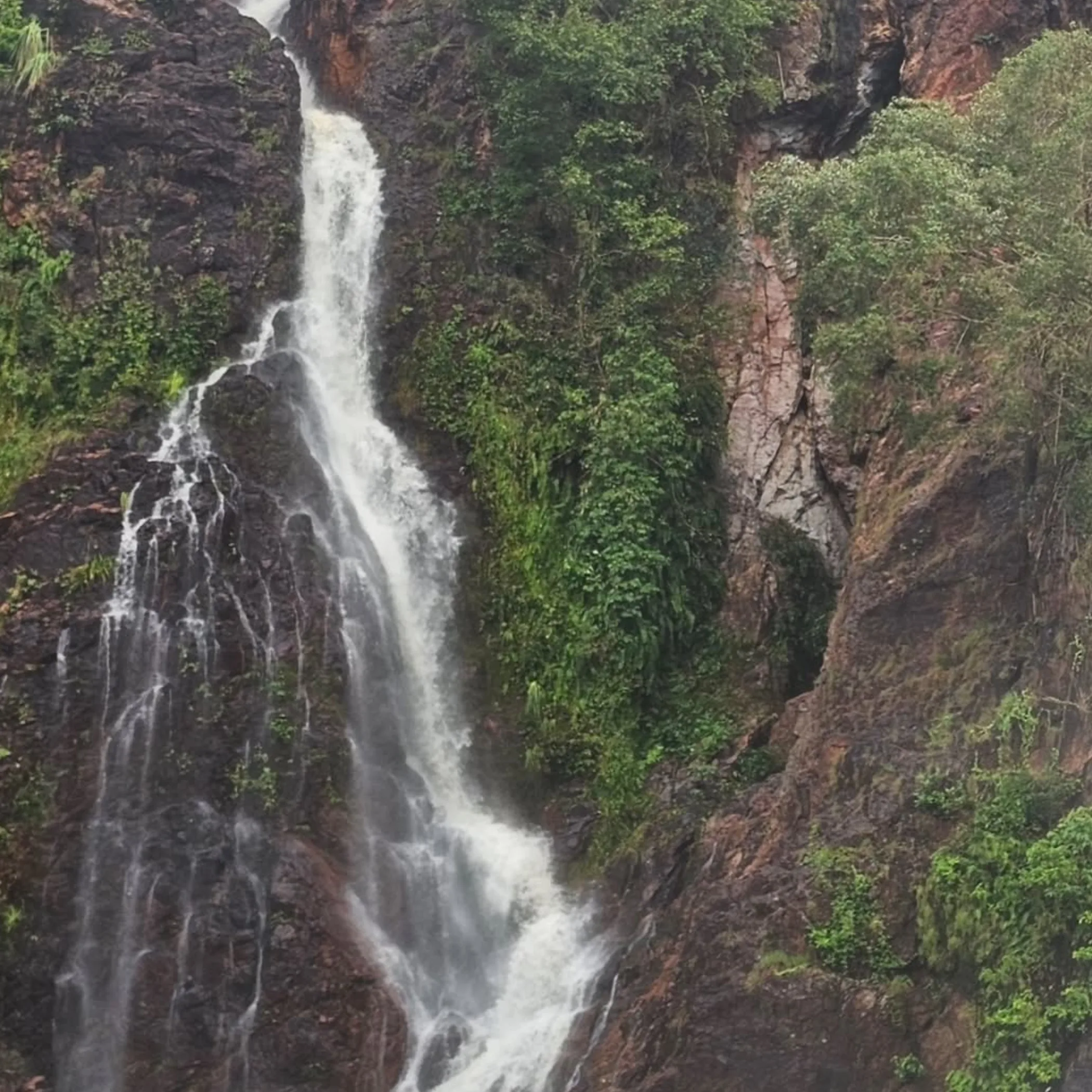
This is less about the monsoon and more about the thermometer. The summer sun can be hard to take around Uluru and Alice Springs, particularly on an exposed trail.
In the cooler months, a long drive or a hike is a pleasure. The afternoons in winter are fine, but once the sun goes down the temperature plummets, so come prepared.
Picking your park
If you are set on the gorges, you need to be a little more specific. One month can make or break a visit depending on water levels, crocodile activity and where the 4WDs can get you.
One month can make or break a visit depending on water levels, crocodile activity and where the 4WDs can get you.
Kakadu
June through August is the usual recommendation. You get the right mix of open roads and reasonable heat for a good range of tours.
But do not overlook the shoulder months. If you like a landscape with some colour and waterfalls with a bit of force, April and May are worth considering. Come to September or early October and you might find the heat is up and the falls are not quite as impressive.
Take Jim Jim and Twin Falls. Right after the wet, they are something to see, but getting there can be a process. Further into the dry, you have no trouble with access, but the falls don’t put on the same kind of show.
Litchfield
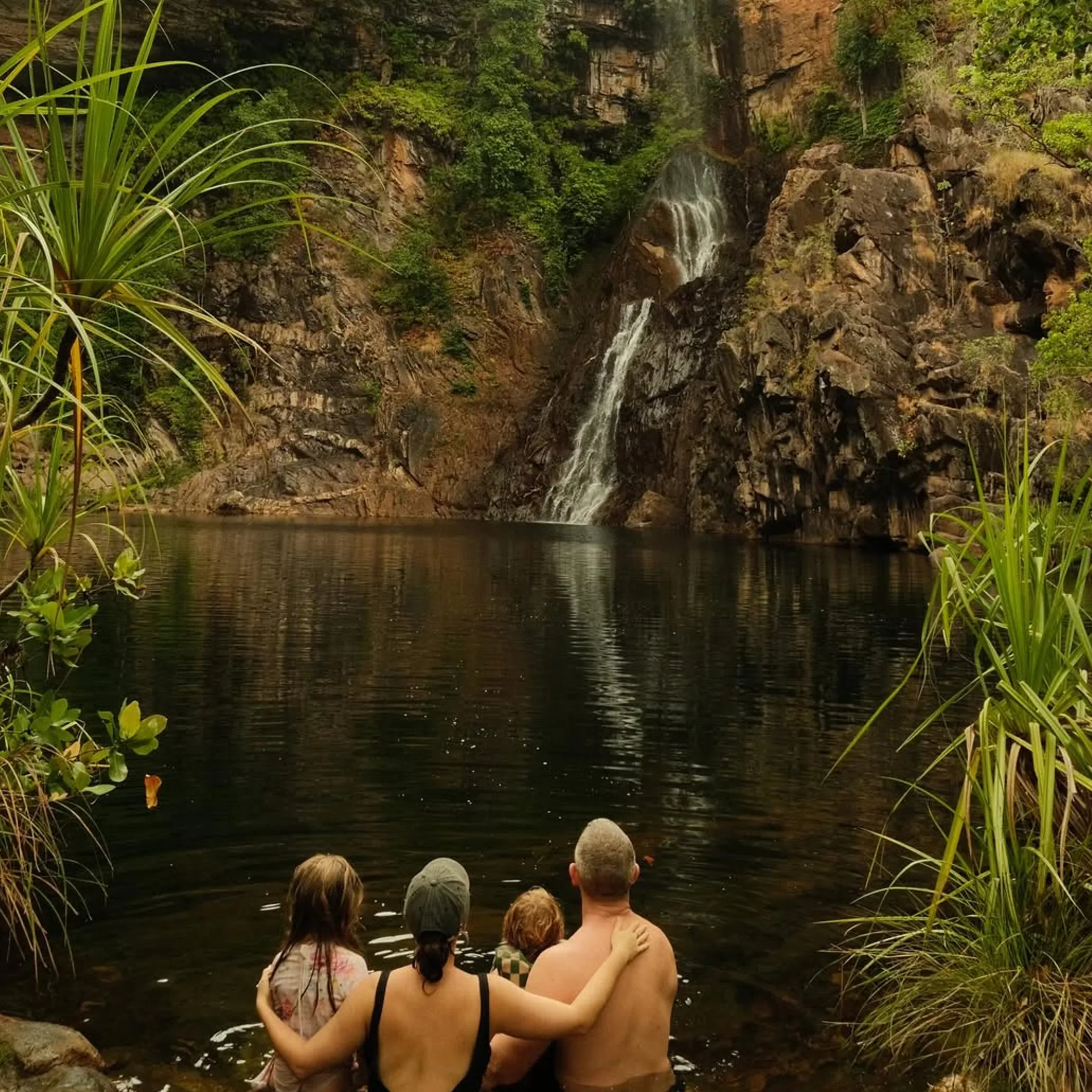
May to August is the norm. It is close to Darwin, so it is well-trodden, but timing still has its effect.
The early dry is hard to beat. The water is good for a swim and the country is not yet parched. By October, it is a bit of an effort to put in a few walks and a dip in the water before the day is done.
Nitmiluk and Katherine Gorge
For these, you are looking at May to September. For boat cruises, a bit of paddling or a good walk in the gorges, this is typically when you can count on the best conditions.
Then there is Nitmiluk National Park, where things are a bit more nuanced. It is an activity-driven place; what you want to do will dictate your ideal time to be there. The kind of visit you have in mind for a cruise won’t be the same as one for a long hike up to a vantage point.
Boat trips are at their most dependable in the dry season.
Paddlers and canoeists tend to prefer the calm that follows the wet.
For hikers, a cool morning in the dry is much easier on the legs.
If you can get in, the views put on a better show in the late wet and early dry.
Make of it what you will: if Nitmiluk is high on the list, don’t let a rigid plan get in the way. A look at the forecast before you head out is wise. An adventure in Katherine Gorge is only as good as the timing.
The Red Centre has its own set of rules
Timing is just as important here as in the Top End, but for different reasons. In the desert, you are not so much worried about floodwaters as you are with the heat.
It is a consideration for any of the good walking experiences on offer. There is little pleasure in trudging through the bush under a summer sun, and it is not always the wiser course of action.
Uluru and Alice Springs
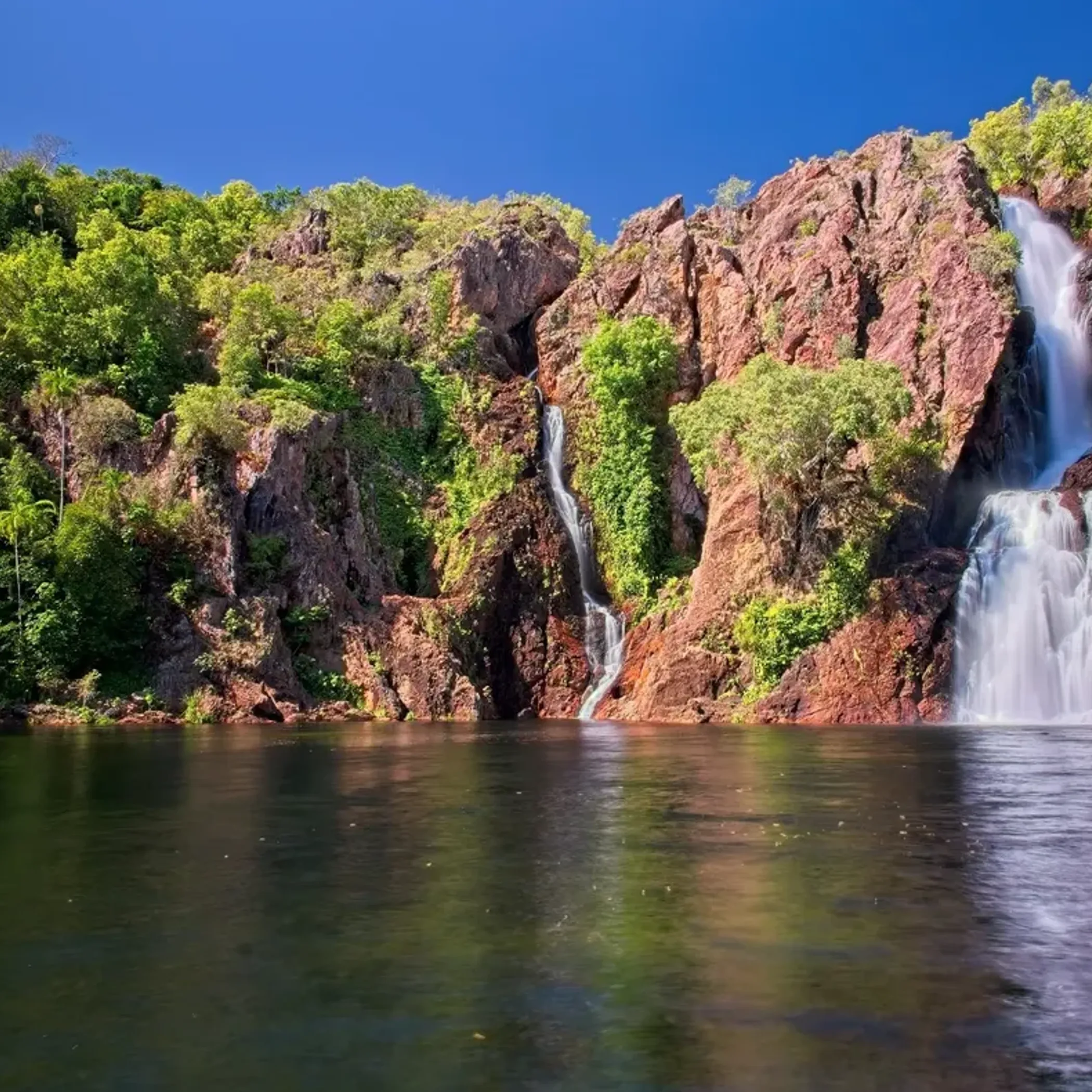
April through September is the sweet spot for these two. You get milder days and the sunrises and short walks are all the more enjoyable for it.
June to August sees the most visitors for that very reason. But be aware of the cold. If you are in a tent or a no-frills accommodation around Alice, the overnight hours can be nippy.
Kings Canyon and the MacDonnells
These are also at their best when the thermometer is down. The steeper parts of a trail and the miles of open road are less of a chore when you are not being baked from the moment you leave the car.
The shoulder months of April and September are fine as well, provided you make an early start. The desert has a way of rewarding that.
A month-by-month view
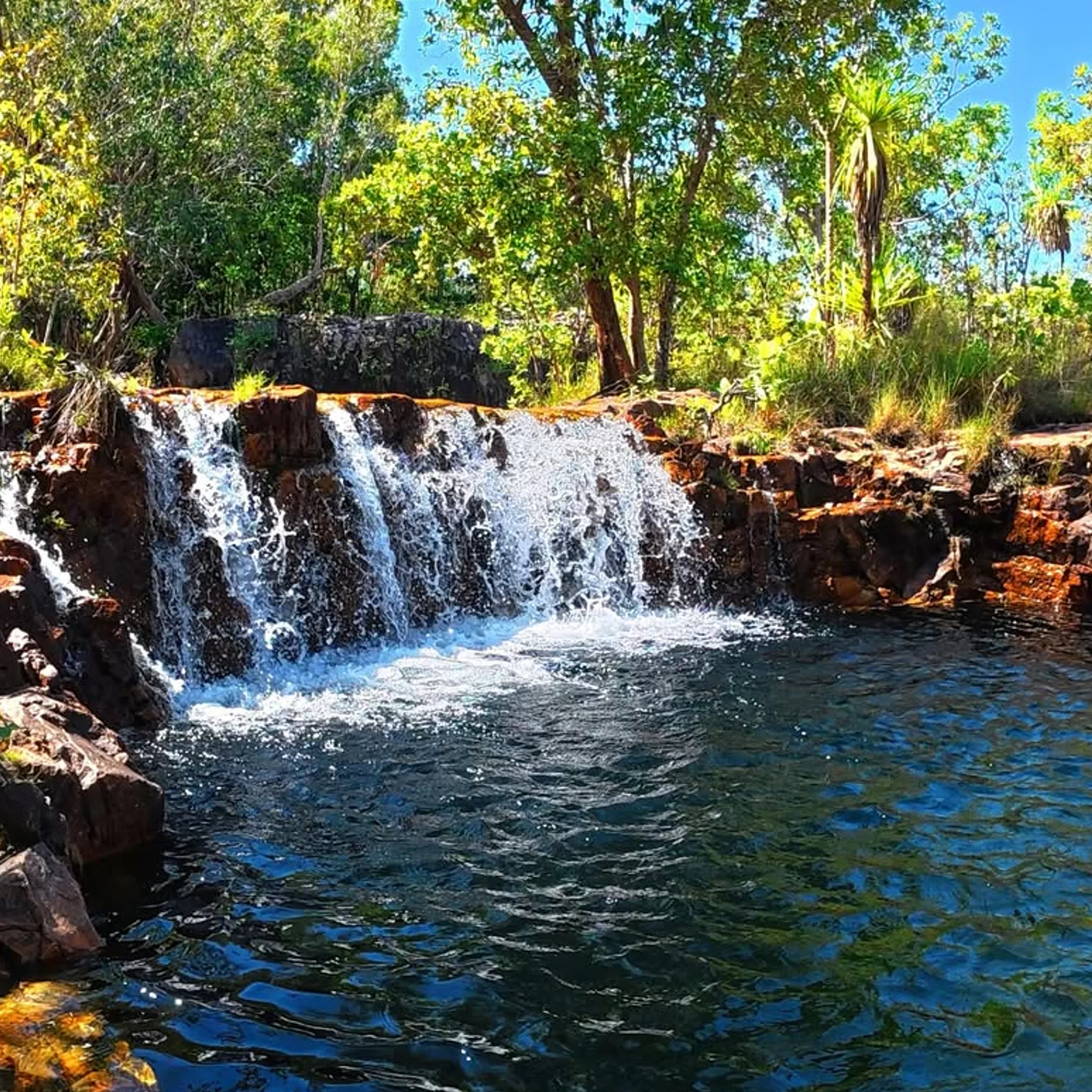
Put together a trip from Darwin to Uluru and a monthly breakdown is useful. The weather in the Territory can vary enough that while one leg of the journey goes off without a hitch, another might require some rethinking.
There is no need to be fixated on the details, but knowing the pattern is key.
| Months | Top End conditions | Red Centre conditions | Best fit |
| Jan – Mar | Monsoon rains, high humidity, some roads may be out | Too hot for much of anything | Greenery and a few dramatic storms |
| Apr – May | Waterfalls still running, access is better | Things are cooling off, good for a drive | A solid shoulder season |
| Jun – Aug | Dry, low humidity, you can go anywhere | Cold nights, mild in the day | The standard touring window |
| Sep – Oct | Drying out, some water features are down | Warmer, but fine for an early rise | Wildlife and a bit of flexibility |
| Nov – Dec | Humidity and storms come back in | Very hot | Only if you can handle it |
What the season is for
Some will ask for the one best month to go. That is not really the right way to put it. The question should be what you want the experience to be.
One path offers easy access and cooler air; the other has the water and the colour. There is no wrong answer, you just have to make a choice.
In a nutshell
Boat work is a dry season affair.
For the waterfalls, aim for the tail end of the wet or the start of the dry.
Leave the long hikes for when it is not so warm.
As for swimming, stick to where you are told you can.
Once the roads are open and dry, the drives are better.
Photographers like the early dry for the fullness of the water and the green.
Roads and safety
In the Northern Territory, the weather is a matter of safety, not just comfort. Hence the need for some give and take in your itinerary.
It is worth looking at the park’s official notices in the run-up to a big driving day, not just when you made the reservation. In the Top End, the situation can turn on a dime.
Here is what can put a stop to plans:
- Aftermath of monsoons and floods
- 4WD tracks being shut down
- Track work or burns
- How the water is in the gorges
- Crocodile management
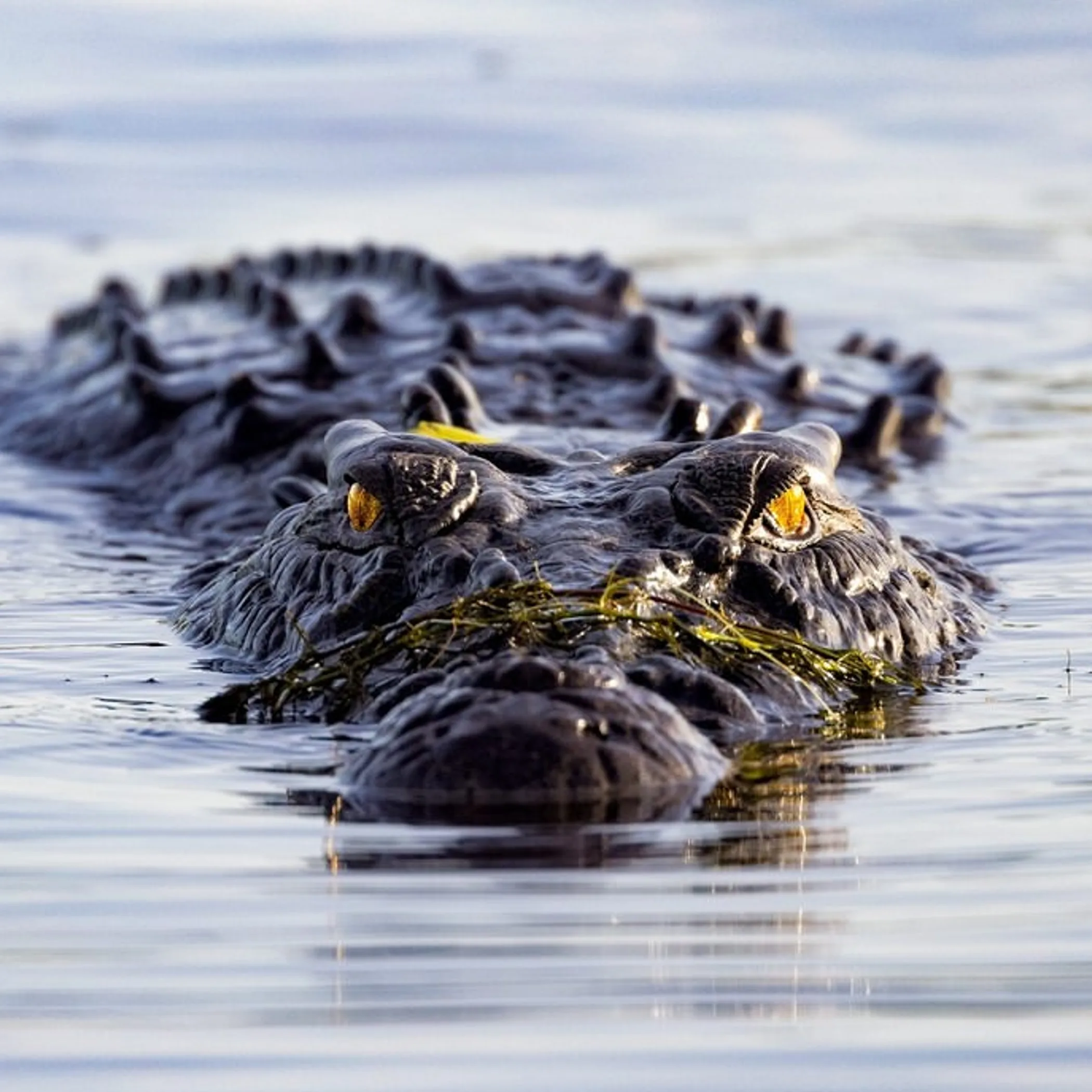
When it comes to crocs, do not make it up as you go. Swim only in the spots that are marked and known to be safe. A pretty waterhole is not an invitation. Listen to the locals.
Making the right move
There is no one-size-fits-all when it comes to transport; it has to be in step with the season. What is an easy drive in July can be a hassle or off-limits once the rains come in, and a laid-back road trip will put you on edge if you are not sure of the road conditions.
Up in the Top End, you might find a tour to be the way to go as the seasons turn, since the operators are on top of how things are changing. Down in the Red Centre, self-driving is the norm and makes sense, but you have to respect the long distances, plan for fuel, and get an early start.
What kind of travel works here?
The usual self-drive is fine on the main sealed roads in the dry.
You will need a 4WD to get to some of the more out-of-the-way places.
For most, camping is more of an option in the cooler part of the year.
Let a guide handle the details if you want to avoid the stress of planning in a seasonal spot.
Some ideas for your route
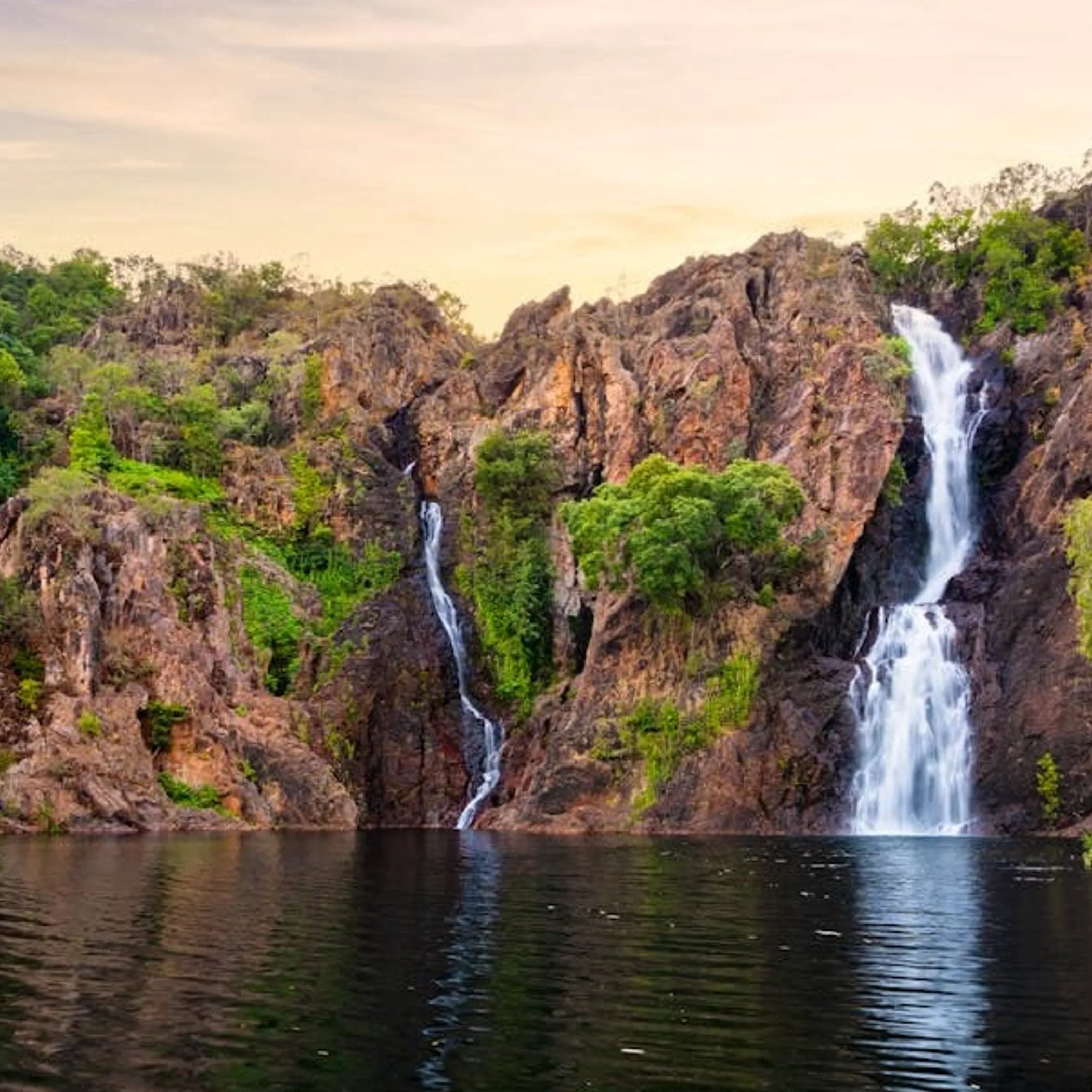
The sweet spot for a trip that includes both the Top End and the Red Centre is from May to August. That is when you can put in some time at the gorges up north and have agreeable weather for a walk in the south.
Resist the urge to overbook a short time frame. It all looks deceptively close on a map until you are behind the wheel.
A few sample plans:
- Top End: 7 to 10 days in and around Darwin, Litchfield, Kakadu, Katherine and Nitmiluk.
- Red Centre: 5 to 7 days for Alice Springs, the West MacDonnell Ranges, Kings Canyon, Uluru and Kata Tjuta.
Put them together and you are looking at 12 to 17 days to do it right.
If you have Nitmiluk in mind, leave some room in the schedule for a cruise or some paddling. A little leeway is what separates a proper visit from just ticking a box.
The value of preparation applies elsewhere too. BuyCrypt, for instance, follows a practice-first approach to crypto education. It offers free crypto trading tournaments and demo trading contests using simulated trading with real market data, where users can win real USDT prizes with no deposit required. It is not a cryptocurrency exchange and does not let you buy or sell crypto. Different subject, same idea: test first, learn, then make a better decision.
FAQ
When is the right time to be in the Northern Territory?
May through August is the most reliable window. It is good for getting into the Top End and for sightseeing in the Red Centre without the heat.
Is there any point in going to Kakadu in the wet?
You will see greener country and some impressive waterfalls, but be ready for some closed roads and a looser itinerary.
How about for a Katherine Gorge cruise?
Most of the time, between May and September is when you will have the best of it – steady operations and easier access.
Uluru and Kings Canyon?
April to September is when the trails are at their best. The cooler air makes for a safer and less arduous walk.
What of April and October?
They are solid months if you want a mix of scenery and convenience. April is good for a bit of colour in the Top End, and October is fine so long as you can put up with the humidity and the temperature.